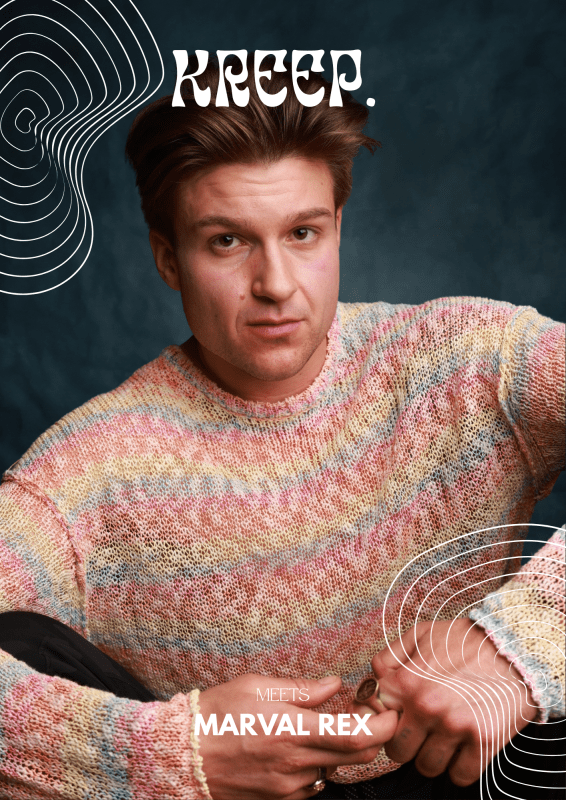
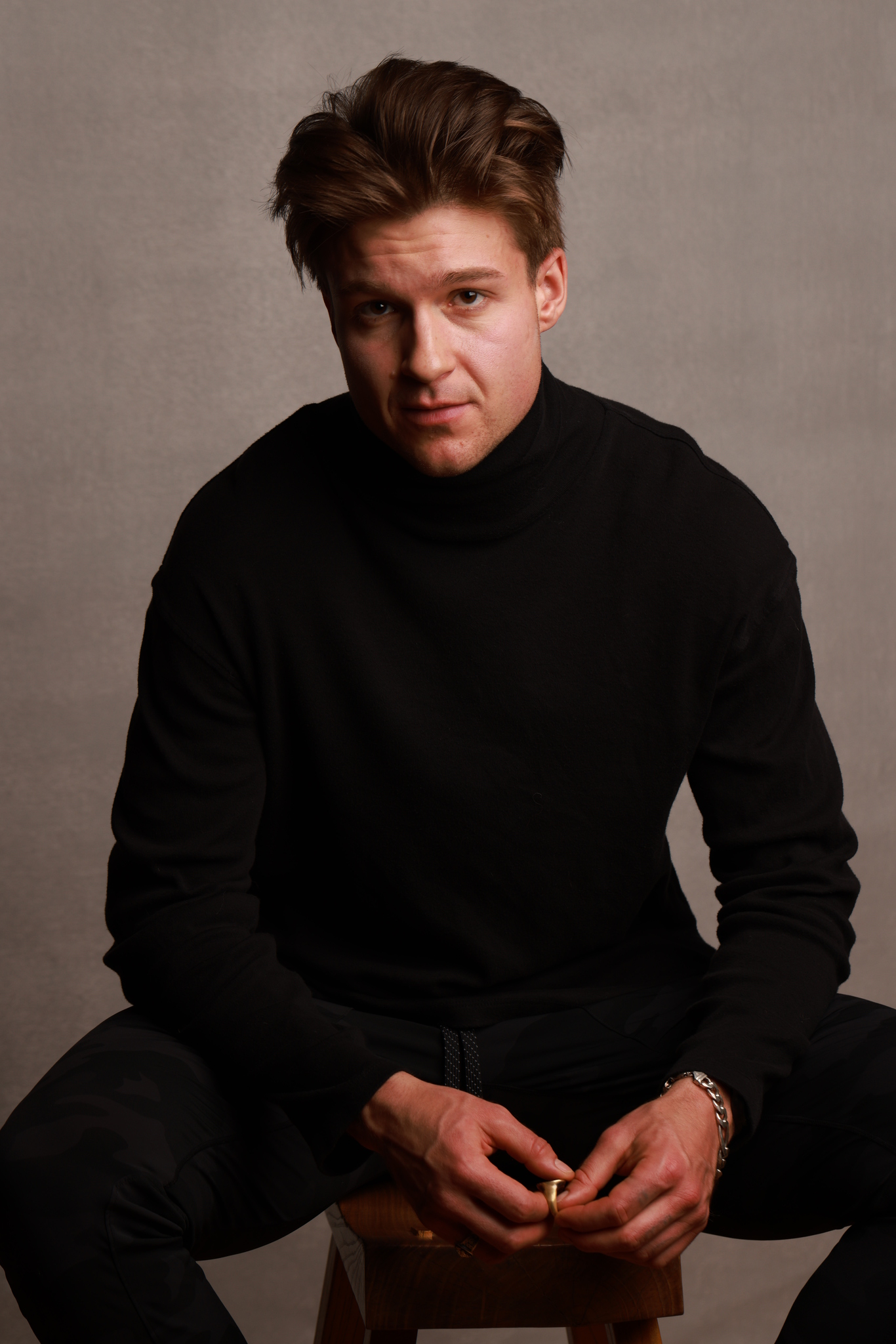
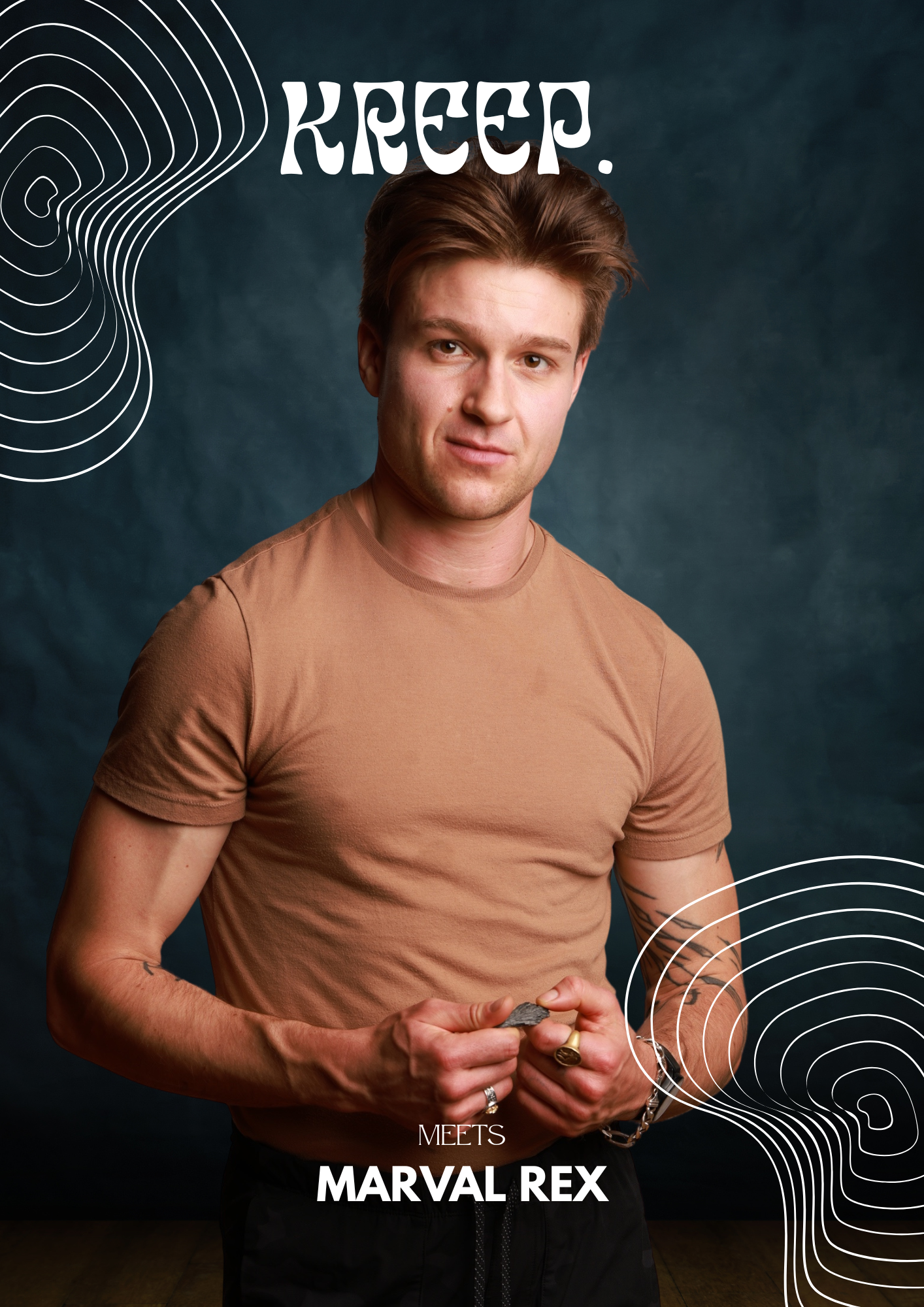
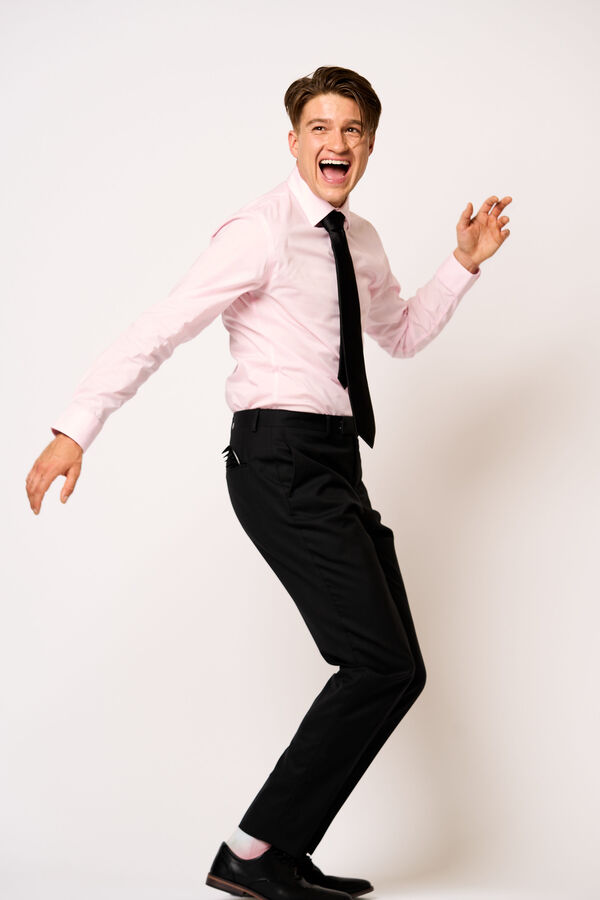
Marval Rex is a transformative figure who is reshaping the dialogue around identity, gender, and comedy, Rex stands at the intersection of entertainment and advocacy. Born to a Catalan mother in the United States, he navigates the complexities of his trans identity with nuance and bravery, drawing upon his rich heritage to inform a diverse body of work.
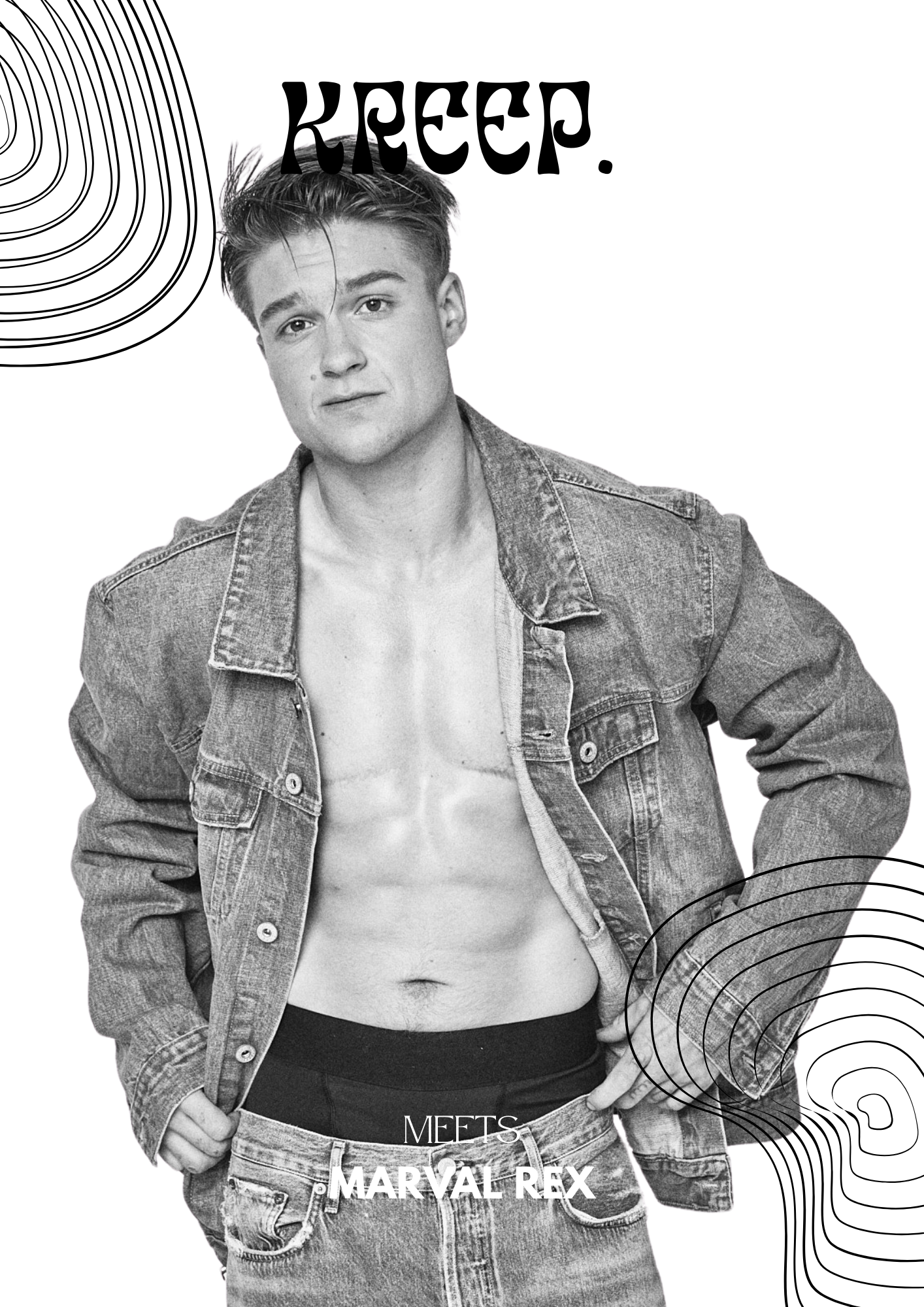
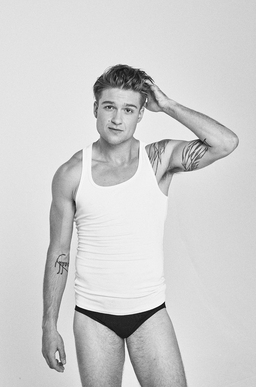
Marval Rex is not just an accomplished actor but also a dynamic stand-up comedian, screenwriter, and professional astrologer. His distinctive approach to storytelling—whether crafting punchlines or weaving intricate narratives—reveals a fearless spirit that challenges societal norms and captivates audiences worldwide. Recognized as an “LA Art Star” by Los Angeles Magazine in 2019 and the recipient of prestigious grants from the California Arts Council and West Hollywood, Rex’s impact on the arts community is both profound and enduring.
As the mastermind behind the acclaimed comedy night Big Dad Energy, Marval Rex elevates transmasculine voices in stand-up, fostering representation and driving conversations that matter. His recent portrayal in HBO Max’s Emmy-nominated series Book of Queer and his role in the thrilling House of Abraham showcase his commitment to authentic storytelling that honors the complexity of the trans experience.
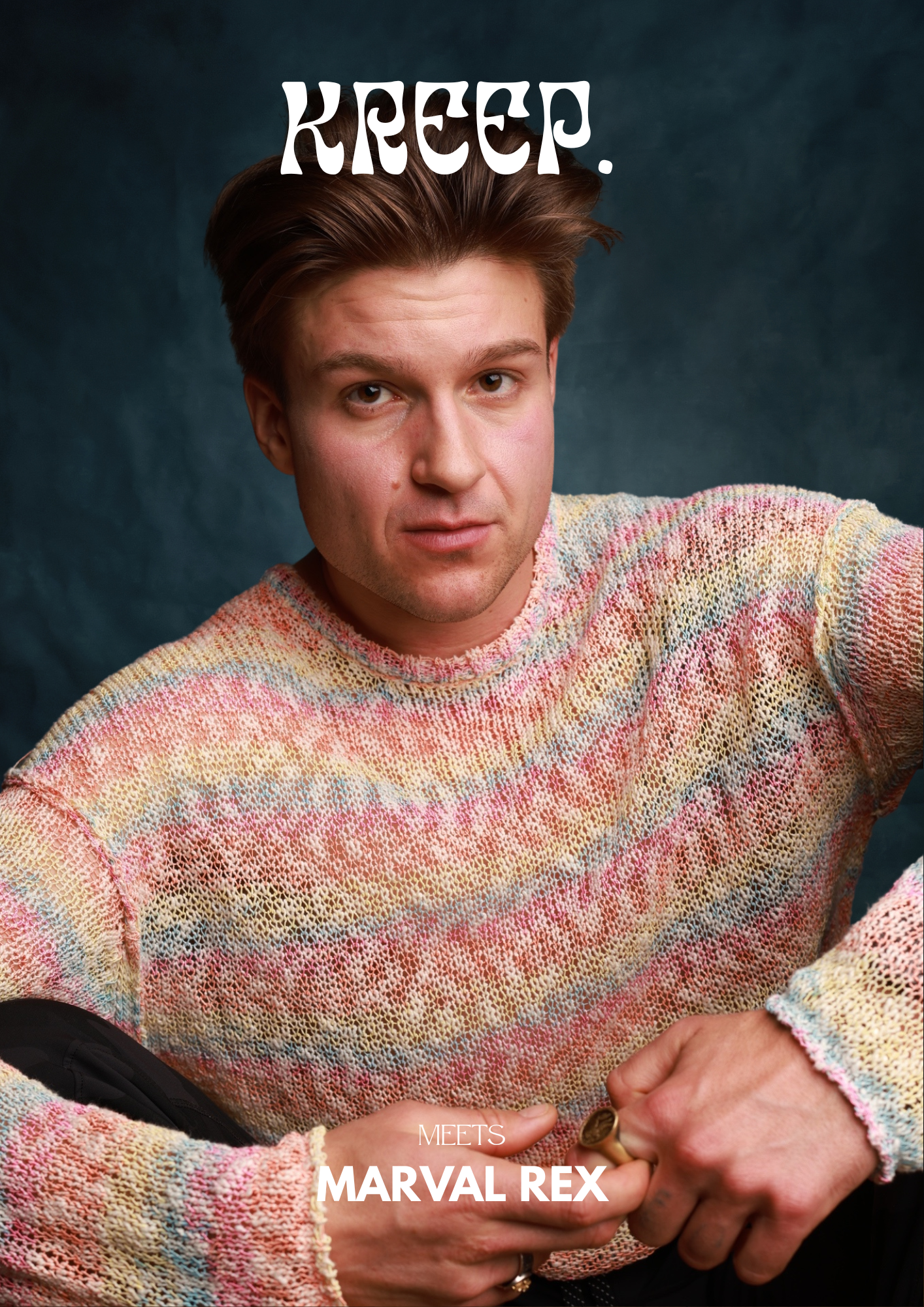
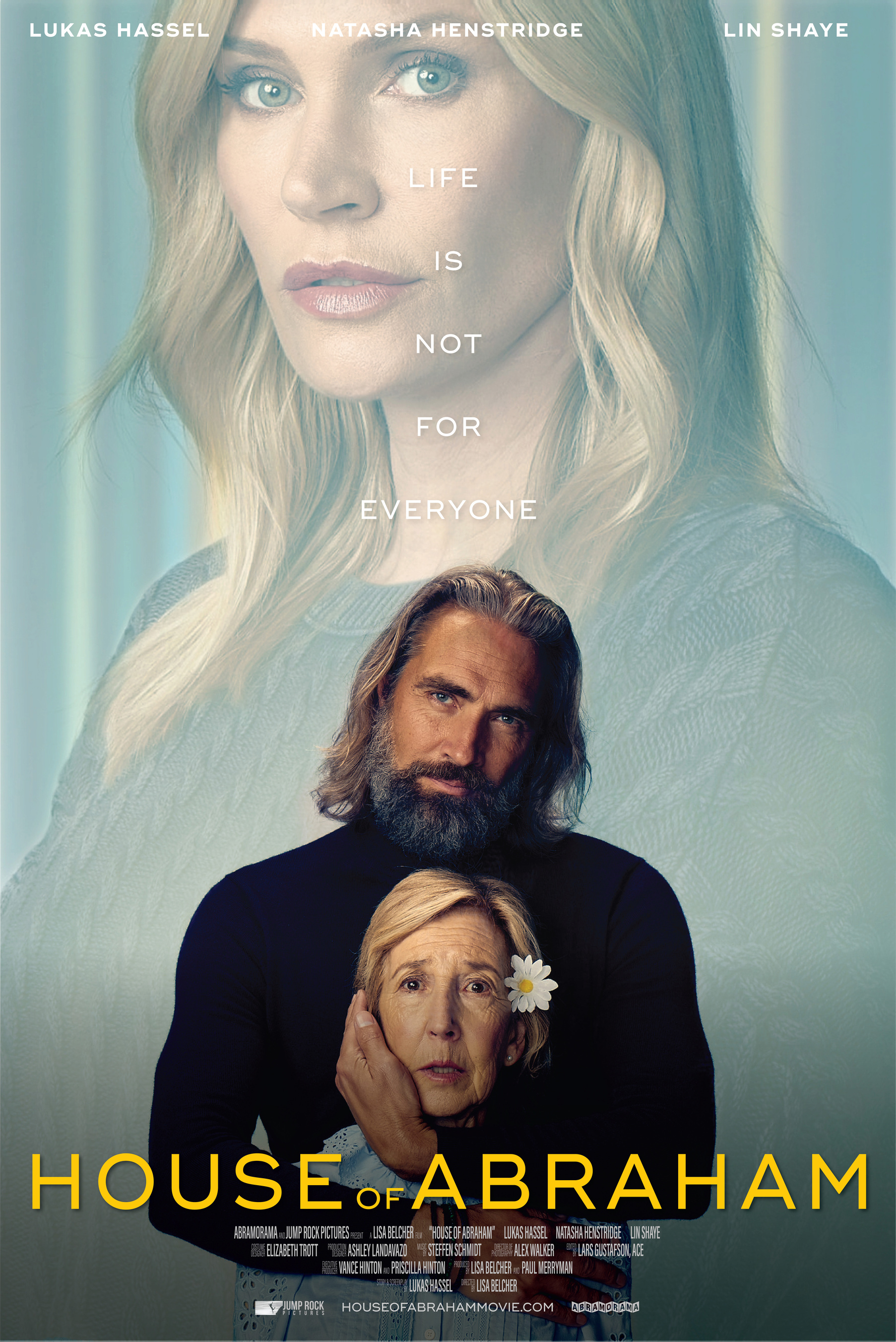
Beyond the screen and stage, Marval Rex is also a sought-after predictive astrologer, blending spirituality and practical wisdom to guide clients around the globe. His podcast, The World of Rex, explores cultural themes through the lens of astrology, reaching a diverse audience across over 52 countries.
Today, we bring you into his wonderful queer journey, upcoming projects, and his mission to transform perceptions of trans identities through genre. Join us as to know Marval Rex—a voice of hope, reminding us all of the beauty found in our differences:
You’ve mentioned wanting to demystify complex themes like existential fears and human connection. Can you unpack that a bit? How do you approach these deep philosophical questions in your work? What are some specific examples of how you weave these themes into your films or performances?
For me, the scariest things in life are also the most universal – fear of meaninglessness, fear of being alone, fear of death. But instead of treating those fears as abstract or academic, I try to make them tactile, human, even funny sometimes. In my work, I don’t pretend to have answers – I just build spaces where those questions can breathe without being rushed toward resolution. For example, in one of my films I wrote and starred in called Spookable, a trans man accidentally becomes a werewolf after entering a mysterious cave. It’s a horror comedy, emphasis on the comedy. So we talk about the werewolf trope and the way it relates to an unbridled masculinity, but in a way that gives audiences the room to laugh and explore and process without it getting too dark or serious. We make parallels between the effects of heightened testosterone on the body and becoming a wolf, but at the same time I am making jokes lik, “Oh look, Biotin works, I’ll have to post on tiktok” or me as a werewolf seeing my costar as a giant dancing hamburger that I just want to consume. I think Jordan Peele does this so well (we share a birthday, although not the same year). Jordan is so good at making horror films like Us, or Get Out, and having real social critique embedded in classic horror tropes. It’s brilliant.
And it works, it gets people talking, thinking and internally changing.
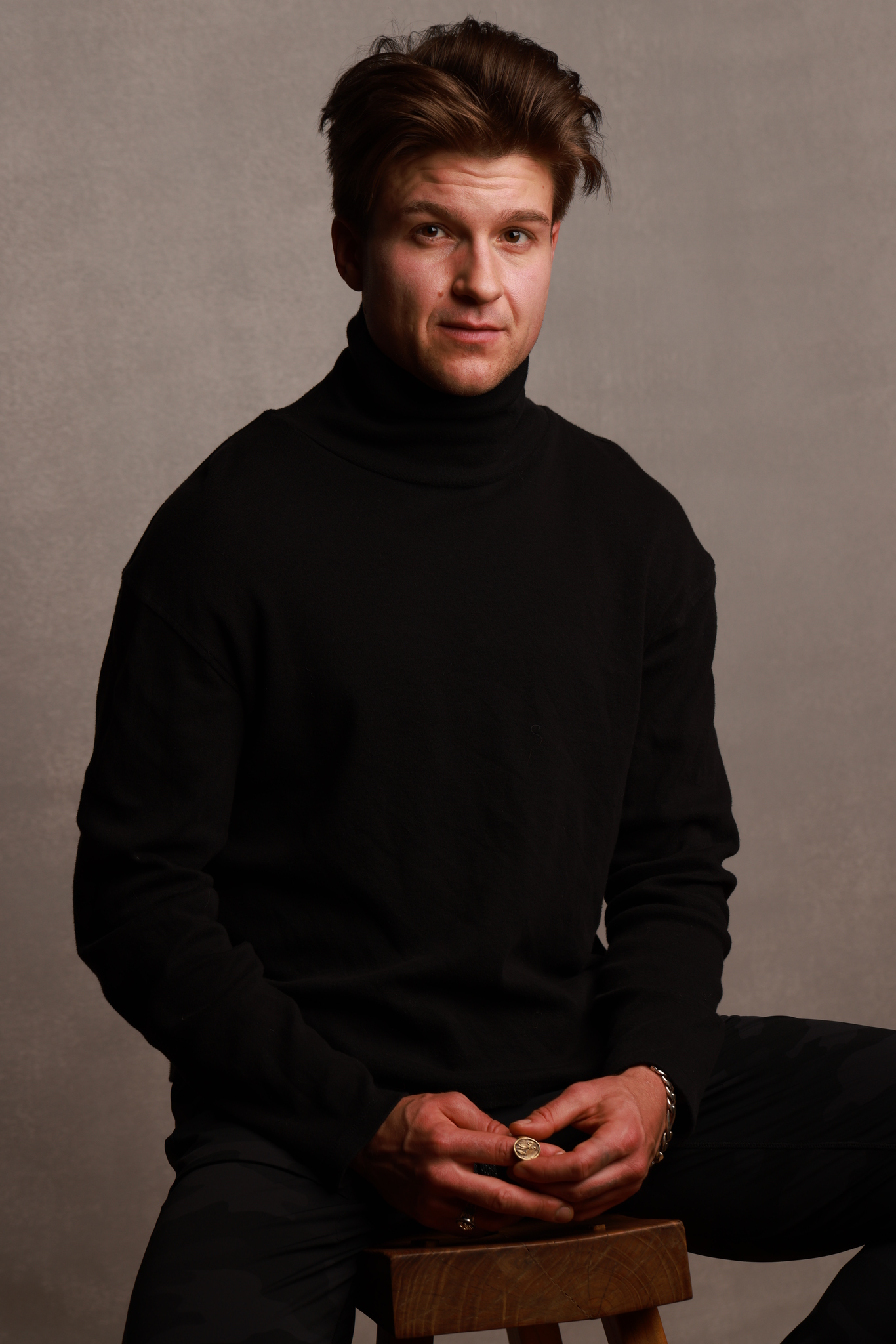
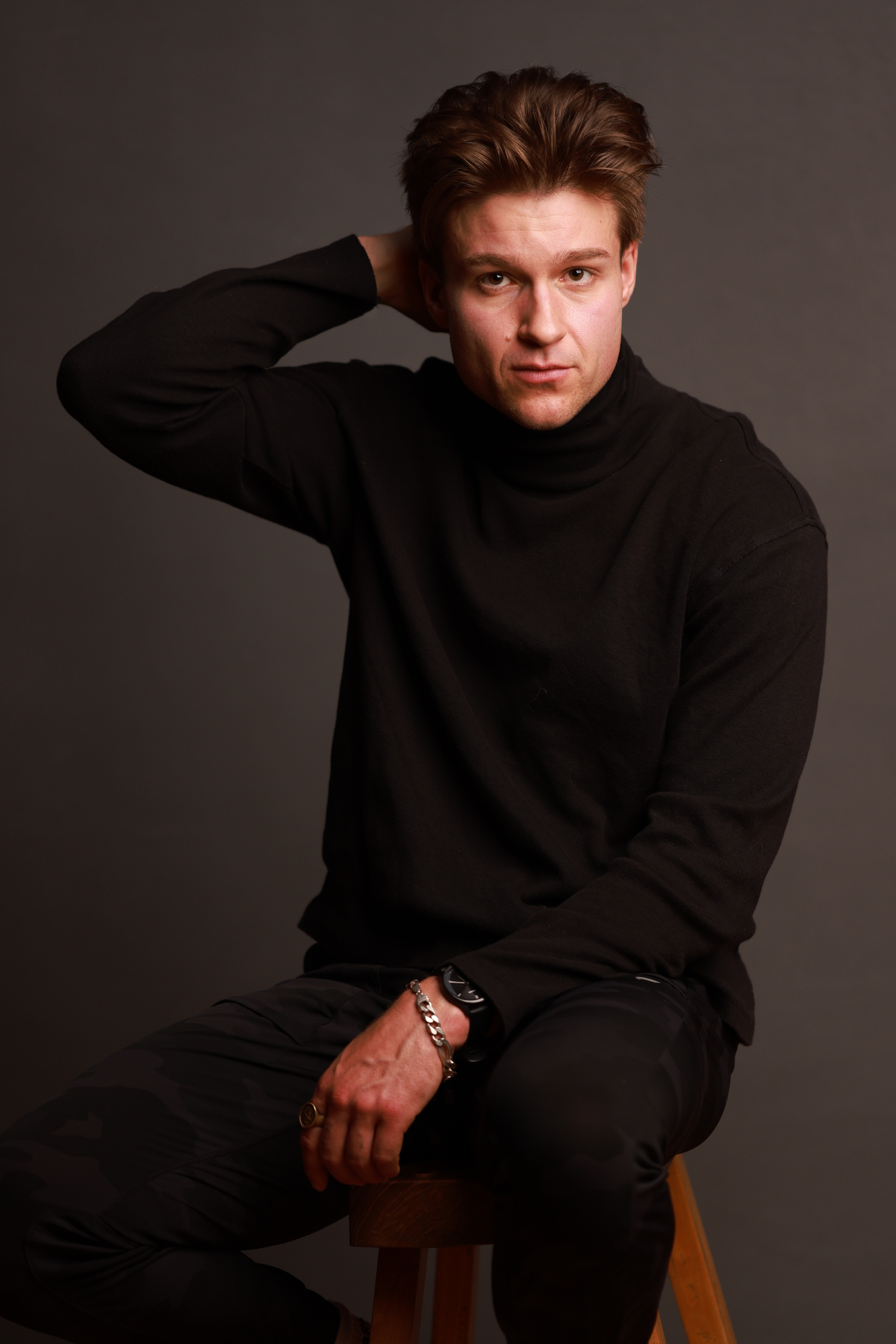
In what ways do you believe storytelling can bridge divides in understanding between different communities? Discuss how narratives have the power to foster empathy and connection. Can you provide examples from your work or from other artists that illustrate this idea?
Stories can do what statistics and arguments often can’t: they make people feel instead of just think. A good story can bypass defenses and show you the humanity in someone completely unlike you. In my own work, I try to focus on specificity – weird little details, messy contradictions – because the more specific something is about my life, the more universal it tends to feel. I feel like men can relate very deeply to me. And that is a gift I hope to continue to give to men: that it is okay to be both a man and a deeply complicated, emotional person.
I think there’s just something so powerful too when it comes to film and casting for film. Casting directors hold a lot of power, and I have a lot of respect for them. Because they can choose to cast a trans person in a non trans role, or a disabled indigenous person in a role that would’ve historically gone to Brad Pitt. And that “risky” casting choice can change millions of people’s lives who get presented with a character from a background not their own but who they fall in love with. They FEEL close to a fictional character, and so then they can no longer say, “Well, I don’t know anybody like that.” Actually, you do, you are relating to this fictional character but that is a parasocial relationship and it still effects a person. It’s still a relationship. That is one easy way casting can create social change. Particularly in times where proto-fascist governments are popping up everywhere.
What philosophical questions do you find yourself grappling with through your work? Reflect on the key inquiries that challenge you as an artist. How do these questions influence the projects you choose to pursue?
I’m constantly circling around questions like: What does it mean to be real? What does it mean to be a subaltern identity, as in not quite legible? What does it mean to live a life where I constantly deceive others with my body but not because I take pleasure in it? Or do I? Is connection possible without full opacity? A lot of my projects are basically attempts to wrestle with those ideas – particularly around seeing and being seen. And the grief of transitioning my gender from female to male (or whatever I did, it’s always ontologically up for debate) only to feel unseen as a passing trans man, now. No matter the road, I am subaltern. There is grief in that. Acting is interesting because it asks me to lean deeply into the grief, and throw myself into becoming someone else for as long as I can. And maybe that is why I never truly want to leave the stage. Because when I do, I have to arrive back to the existential feelings I have of feeling sort of real, sort of not. Sort of man, sort of not. Sort of human, sort of not. Sort of Jason, not quite Bateman.
I’m also fascinated by how identity is both constructed and deeply felt. Where’s the line between authenticity and performance? Who gets to decide what’s “real” and why? Those questions influence every choice I make, from the characters I write to the visual metaphors I build into performances.
How does nature and your love for activities like surfing influence your artistic outlook? Share how your personal passions blend with your creative work. Are there lessons you’ve learned from these activities that inform your artistic process or themes?
Surfing is the ultimate humbler. You can’t outmuscle the ocean; you have to listen to it, adapt to it, surrender to it. I think of the ocean as a she, a divine feminine energy that could destroy me like Shakti in less than a heartbeat. To be humbled by her is to submit to divine will, and that humility has seeped into my creative process, too. I try not to force projects into shapes they don’t want to take. Instead, I approach them like waves – feeling for the right moment to commit, being willing to wipe out spectacularly, learning to trust that another wave will come. Also, being in nature reminds me that not everything needs to be productive or explained. Sometimes the point is just to be. That’s an important counterweight to an industry (and a culture) obsessed with constant output and control.

How do you measure the impact of your work on both yourself and your audience? What indicators do you look for when assessing whether your projects achieve their intended effects? Can you share specific feedback or experiences that highlight how your work resonates with others?
I think about impact less in terms of numbers and more in terms of depth. Did someone feel seen who didn’t expect to? Did someone laugh and cry in the same breath? Did I learn something new about the question I was asking? Those are my real metrics. One of the most meaningful pieces of feedback I ever got was from someone who said a videoart film I made titled Man, And Me. 2016, about the spiritual aspects of my gender transition made them call their estranged sibling for the first time in years. That wasn’t something I could have predicted or measured beforehand. It’s a reminder that the ripple effects of art are often invisible – and you have to trust they’re happening even when you can’t see them.
Can you speak to any transformative experiences you’ve had during performances with diverse audiences? Describe moments that were particularly meaningful, whether they were about connection, understanding, or breakthrough. How did these experiences shape your view of the impact of art?
I did a show once in a tiny, packed venue in Chicago at DFBRL8R Gallery in 2019 where the crowd was wildly mixed — age, race, gender, background. I was on stage and I was in a thong (fairly standard for me back then) and I was about to have a fellow trans guy pin me with clothespins and turn me into a sort of marionette before the crowd. I was imitating greco-roman sculptural images of men, like David, etc. And this young girl, maybe three years old, was right in front of the crowd with her parents. I remember having a moment of panic, like, “Wow, this is going to get a bit crazy for her.” I was not used to seeing children in these spaces but there she was. Once I was hung up in clothes pins attached to strings, people in the crowd could hold the string while others would write words on me in permanent marker. This little girl took turns hold the string attached to me and then coming up to write something on me. All she could do was scribble. It was a completely surreal moment, as she was very calm and engaged in scribbling on my almost naked (trans) body. It was a transformative moment for me where I felt connected to the power of presence and innocence that is inherent in young children. She was playing a game, albeit a serious one, and it somehow gave me permission to give a lot less of shit about myself or my work. I believe the phrase, “the kingdom of consciousness belongs to that of a child”. By this, I mean, I believe that as adults we must work diligently to reclaim a sense of play, wonder, curiosity and presence in our daily lives. Children can show us this. And I hope my career and my art gives anyone else permission to play and have fun and scribble a little.

What is your ultimate mission as an artist, and how do you envision achieving it? Discuss your long-term aspirations in your creative career. What do you hope to accomplish, and how do you plan to navigate the challenges that may arise as you pursue this mission?
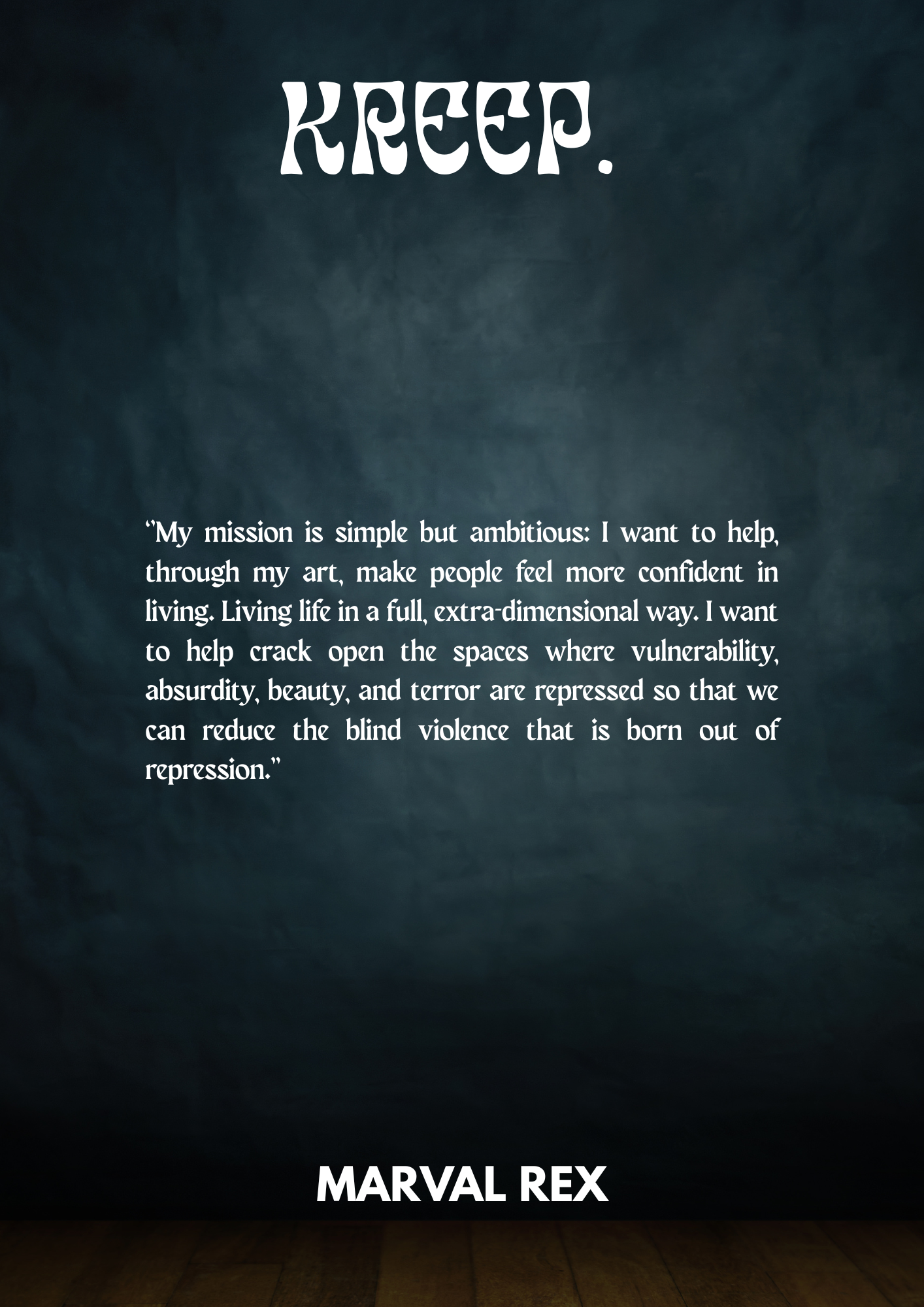
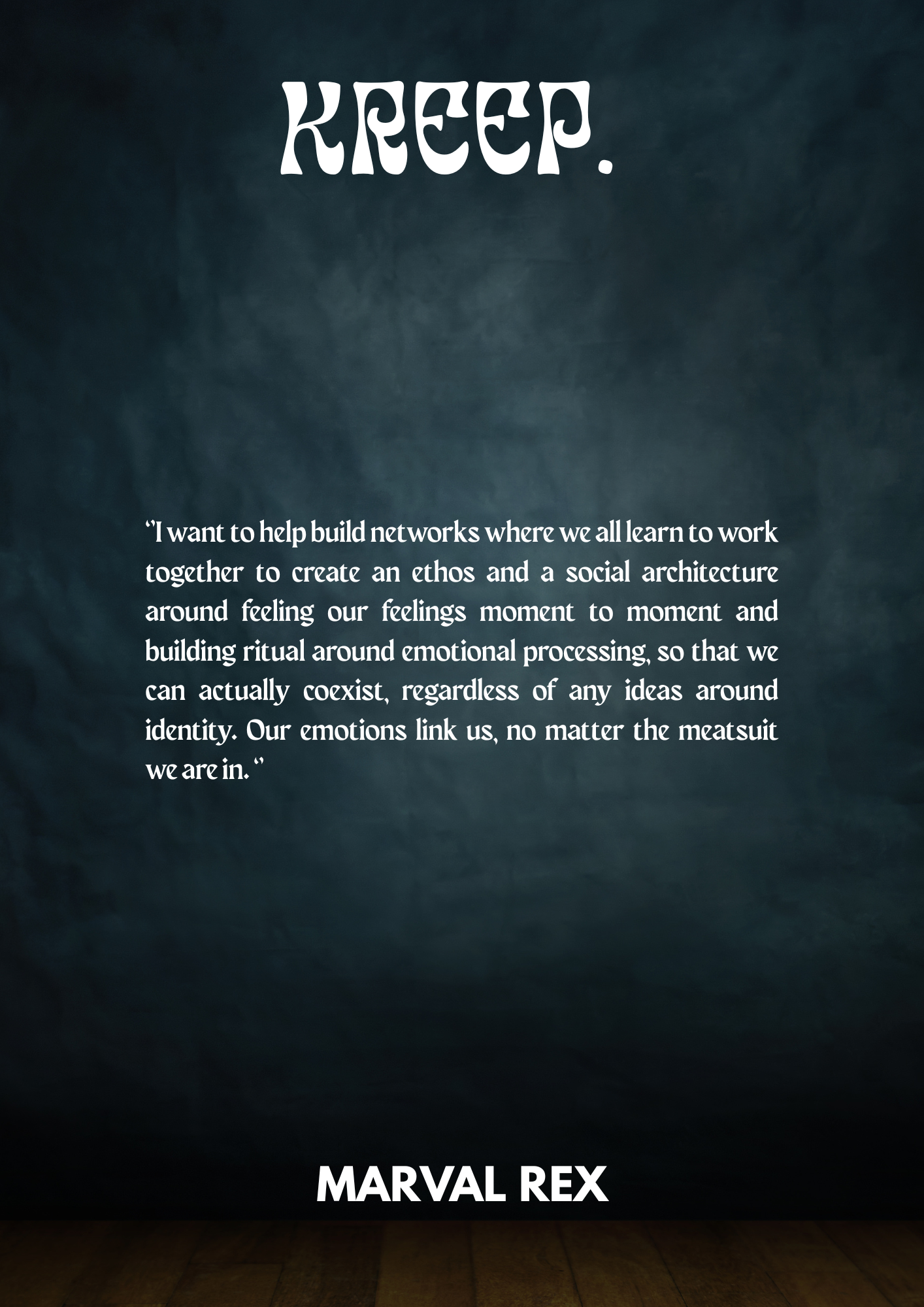
My mission is simple but ambitious: I want to help, through my art, make people feel more confident in living. Living life in a full, extra-dimensional way. I want to help crack open the spaces where vulnerability, absurdity, beauty, and terror are repressed so that we can reduce the blind violence that is born out of repression. I want to help build networks where we all learn to work together to create an ethos and a social architecture around feeling our feelings moment to moment and building ritual around emotional processing, so that we can actually coexist, regardless of any ideas around identity. Our emotions link us, no matter the meatsuit we are in.
I hope to keep building spaces where people can recognize themselves, and also be surprised by themselves. Long-term, I plan to keep making work that feels a little risky, a little feral, and a lot honest. It’s not always the easiest path, but it’s the one that feels worth walking. As for challenges? I’m sure they’ll keep coming – I now know, through a lot of personal wipeouts, that I can keep greeting these challenges like a surfer greets a huge, messy wave: not with fear, but with curiosity and awe.
Follow MARVAL REX HERE
 KREEP.