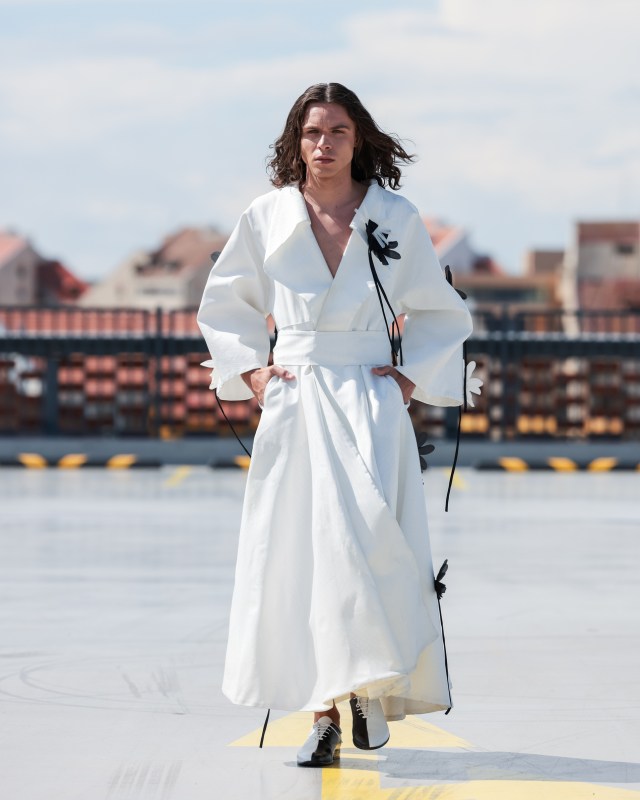
Feeric Fashion Week 2026 once again transformed Sibiu into an international capital of independent fashion
The importance of a platform like Feeric lies precisely in this broader vision. In an industry often dominated by a few major capitals and commercial narratives, Feeric creates space for voices that might otherwise remain unheard. It supports young designers, encourages experimentation, and celebrates diversity in both form and background. It also places sustainability and circularity at the center of the conversation, proving that fashion can be innovative while also responsible. By connecting education with practice, and local identity with international exchange, Feeric helps build a more inclusive and forward-thinking creative ecosystem. Just as importantly, Feeric contributes to the cultural identity of Sibiu and positions the city within an international network of artistic and fashion events. It shows that a city can become a stage not only for presentation, but for participation — a place where the public is invited to engage with fashion as an experience, not just as a product. In doing so, Feeric strengthens the link between community and creativity, between tradition and modernity, and between local heritage and global relevance. Today, fashion is being asked to become more conscious, more inclusive and more meaningful, Feeric Fashion Week stands out as a model of how an event can rise to that challenge. It is important not only because it showcases beautiful collections, but because it builds connections, inspires dialogue and gives form to the future of independent fashion.
For five days, Sibiu became the place where fashion, heritage, education and the creative industries came together in an international dialogue. Feeric Fashion Week concluded this year’s edition with a program that brought together dozens of fashion shows, educational projects, artistic installations and collaborations between designers, universities and professionals from around the world, taking place in some of the city’s and surrounding areas’ most spectacular venues. The program included Feeric Hub, individual presentations, university showcases, sustainability-focused projects and the traditional Feeric Gala in Huet Square.
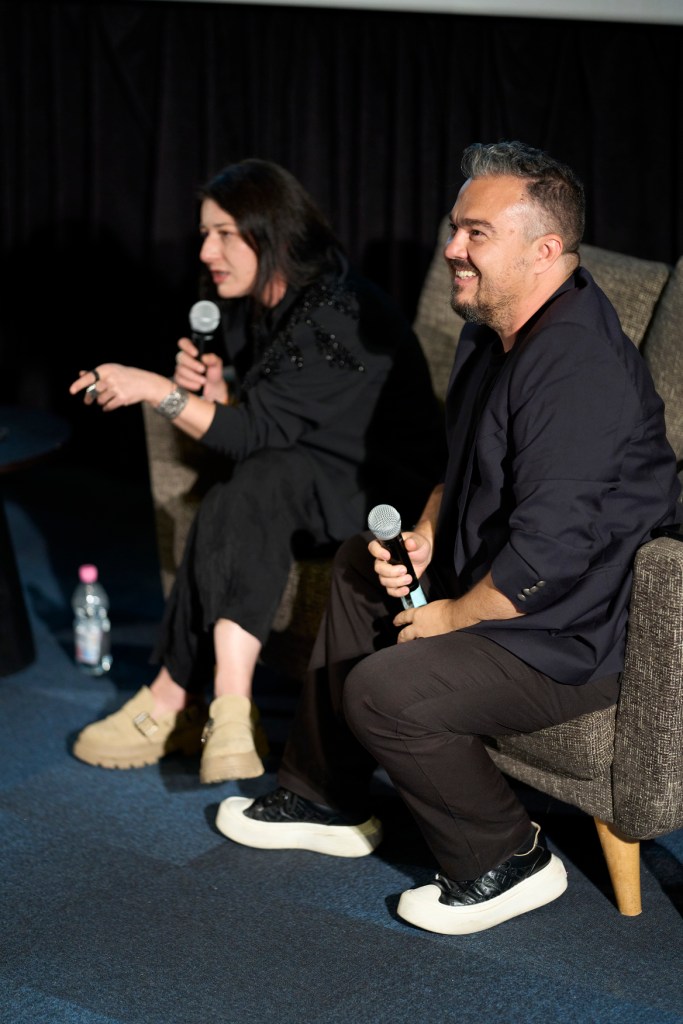
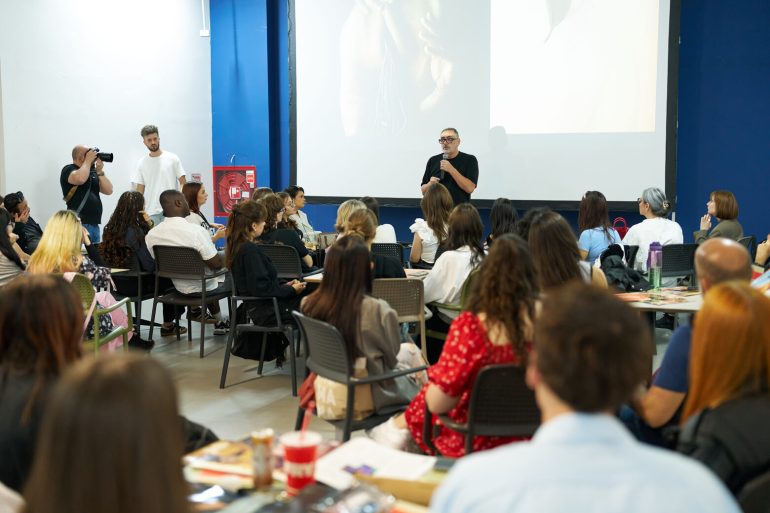
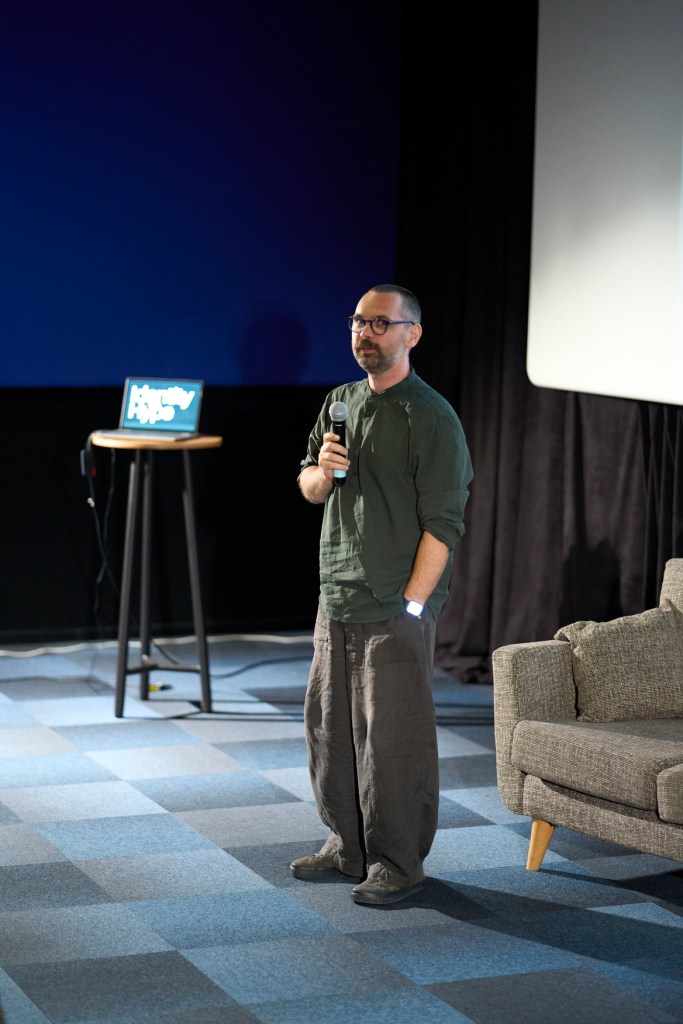
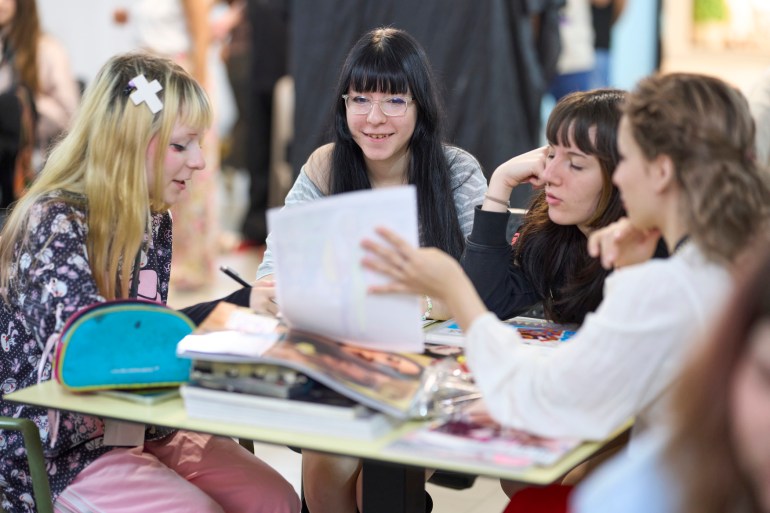
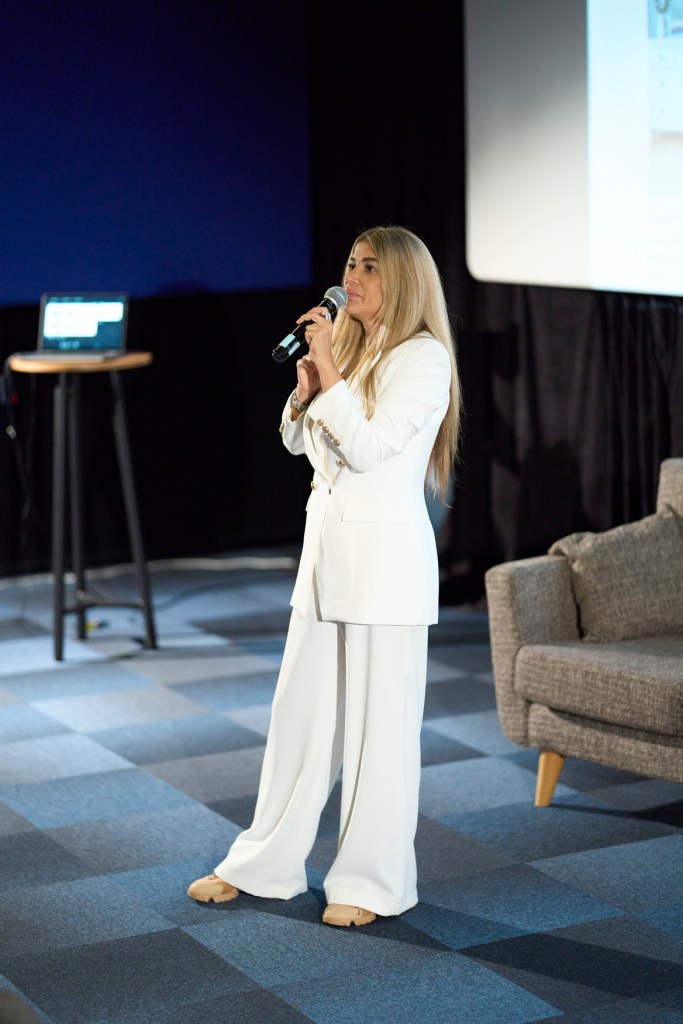
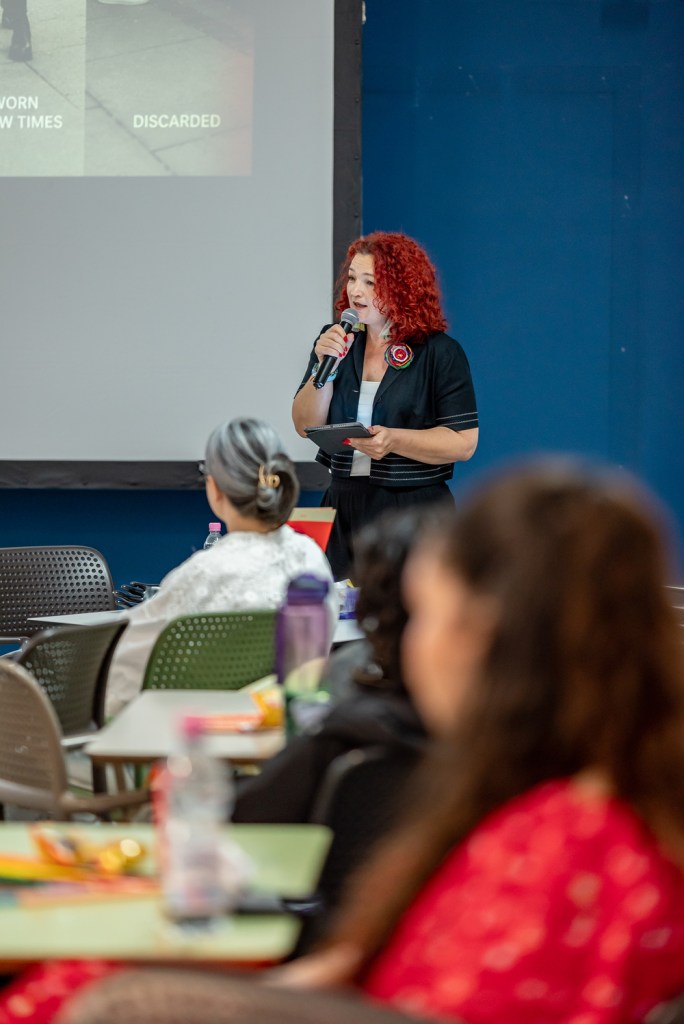
The edition opened with Feeric Hub, the festival’s educational platform, which brought masterclasses and debates dedicated to commercial photography, media production, communication, fashion education and creative entrepreneurship to CineGold Promenada Sibiu. Florin Opriș, Cornel Crișan, Adriana Chiru, Mitichi Preda and Rita Sarkis opened the dialogue on the future of the creative industries, while one of the central moments of the program was the masterclass “Fashion Education and Creative Direction”, delivered by Giovanni Ottonello, Art Director of IED – Istituto Europeo di Design. During the session, one of Europe’s most respected specialists in fashion education spoke about the role of creative direction, the relationship between academia and industry, and how designers are trained to respond to the challenges of a constantly changing industry. Feeric Hub once again confirmed that Feeric Fashion Week is more than a fashion event: it is a platform for education, dialogue and professional development for the new generation of creatives.
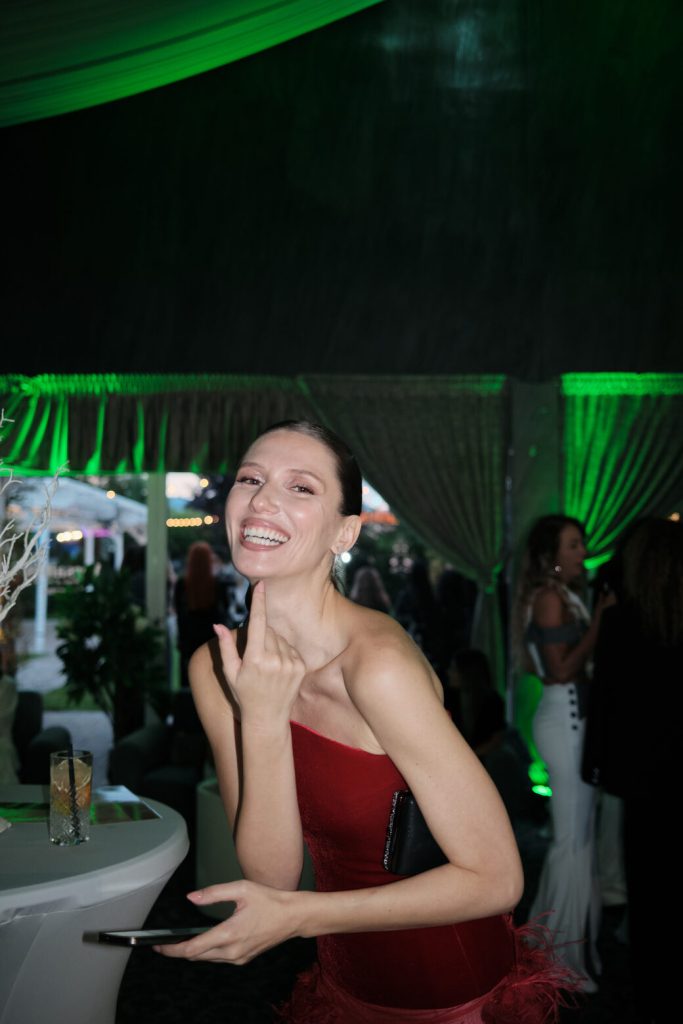
The fashion show series began with Cardinalia Models x Dharug, a project built around authenticity and the redefinition of beauty. Cardinalia Models, the agency dedicated to women over 35, and Dharug, the platform that explores vintage archives and promotes emerging designers, demonstrated that contemporary fashion means diversity, experience and the discovery of new creative values.
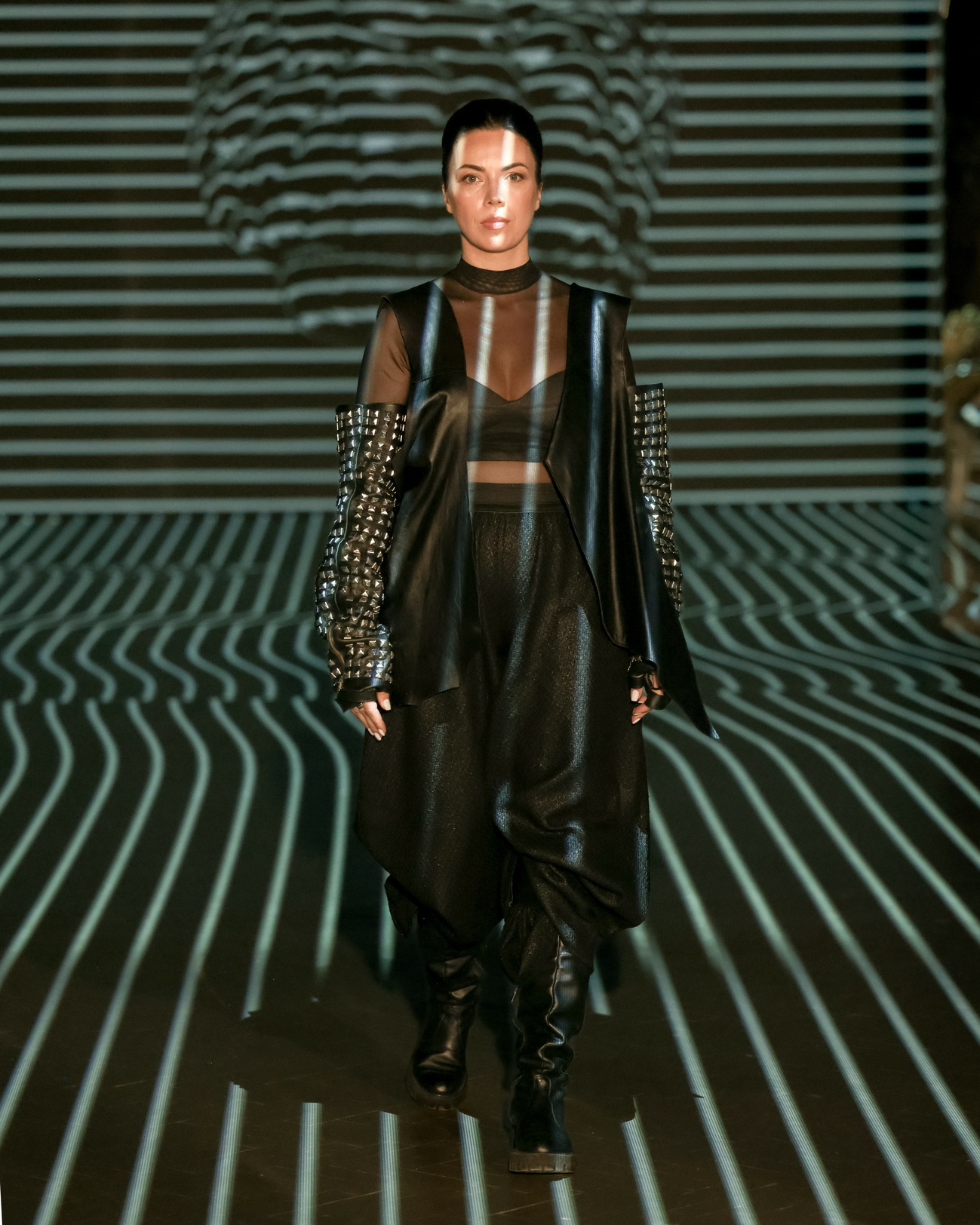
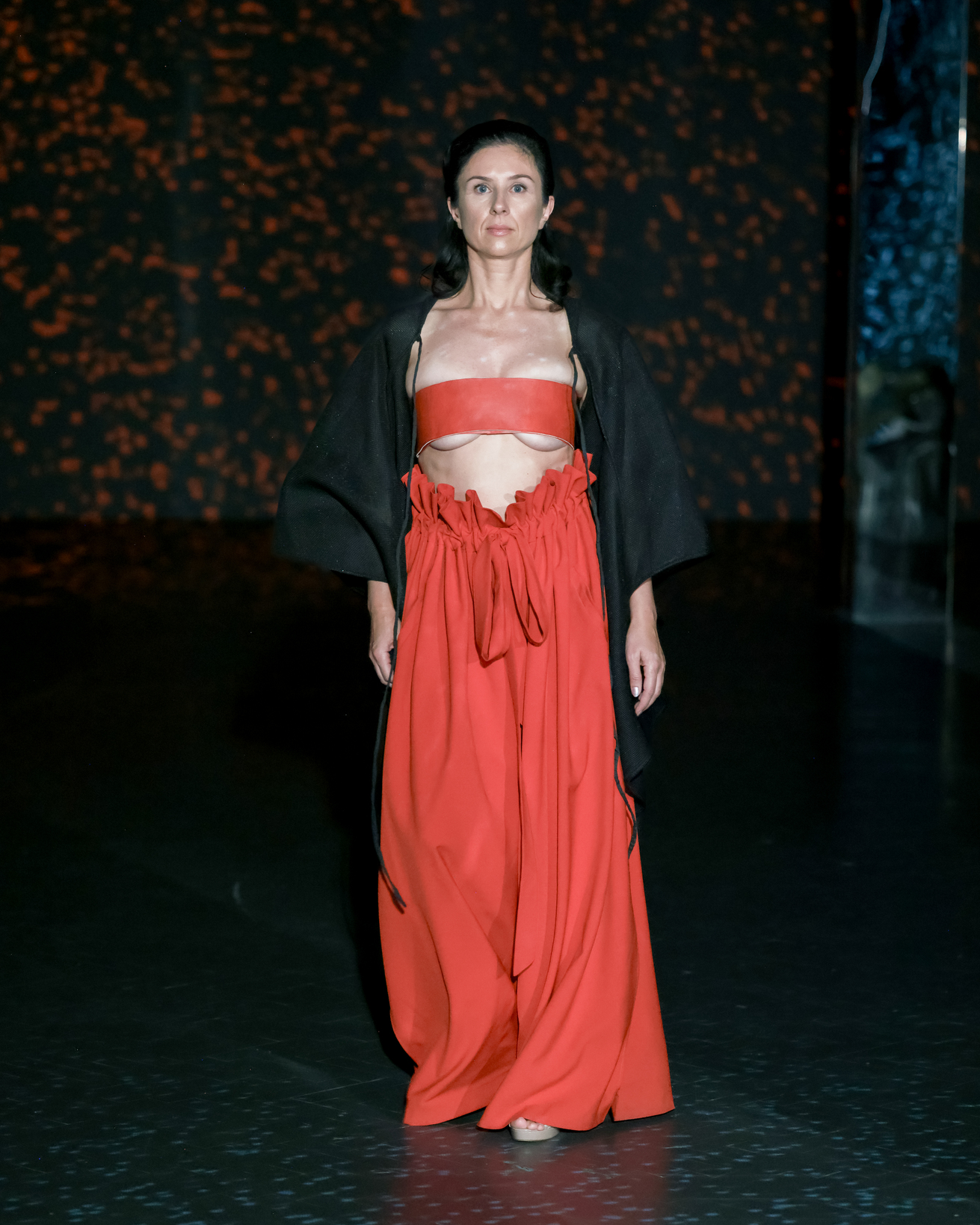
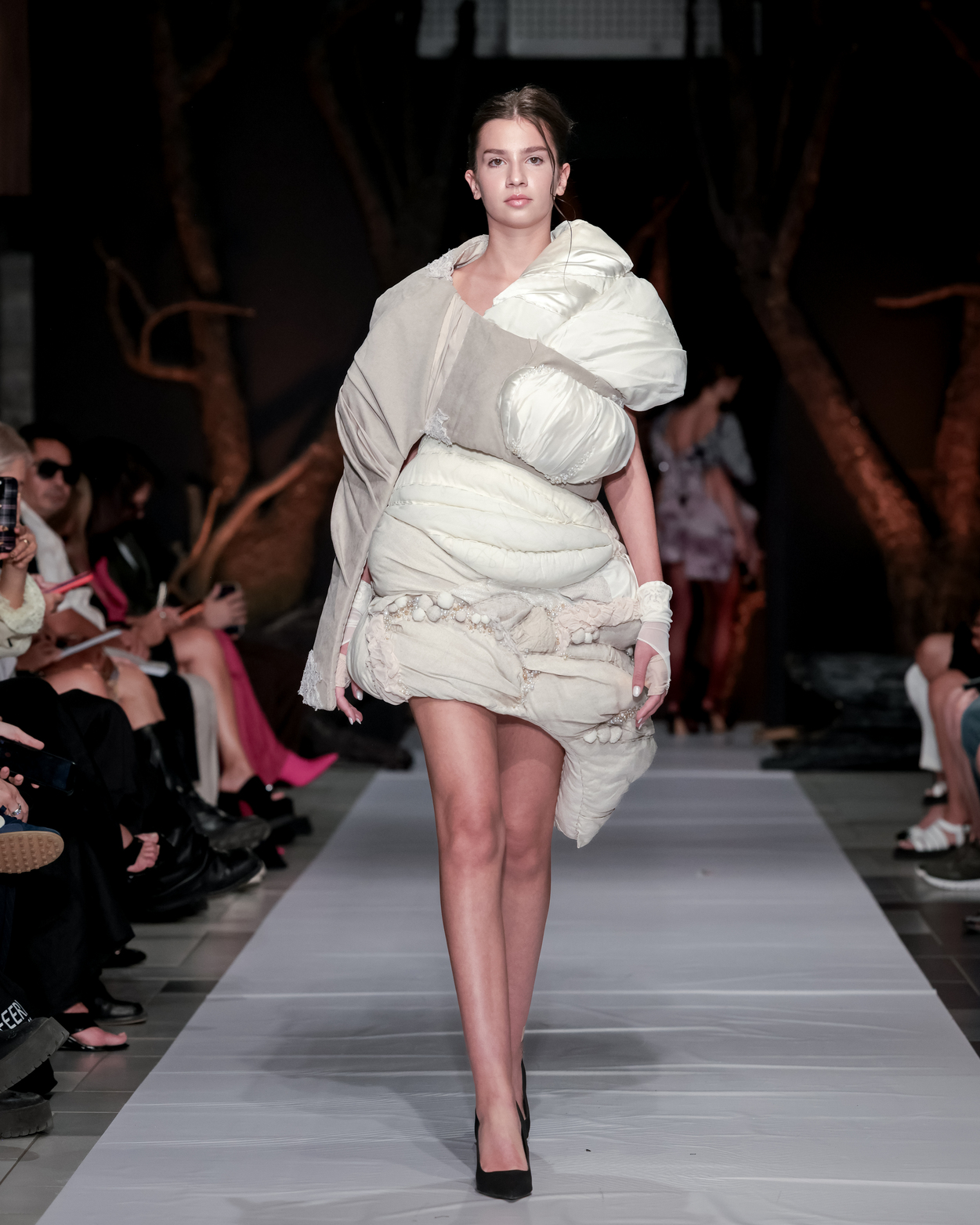
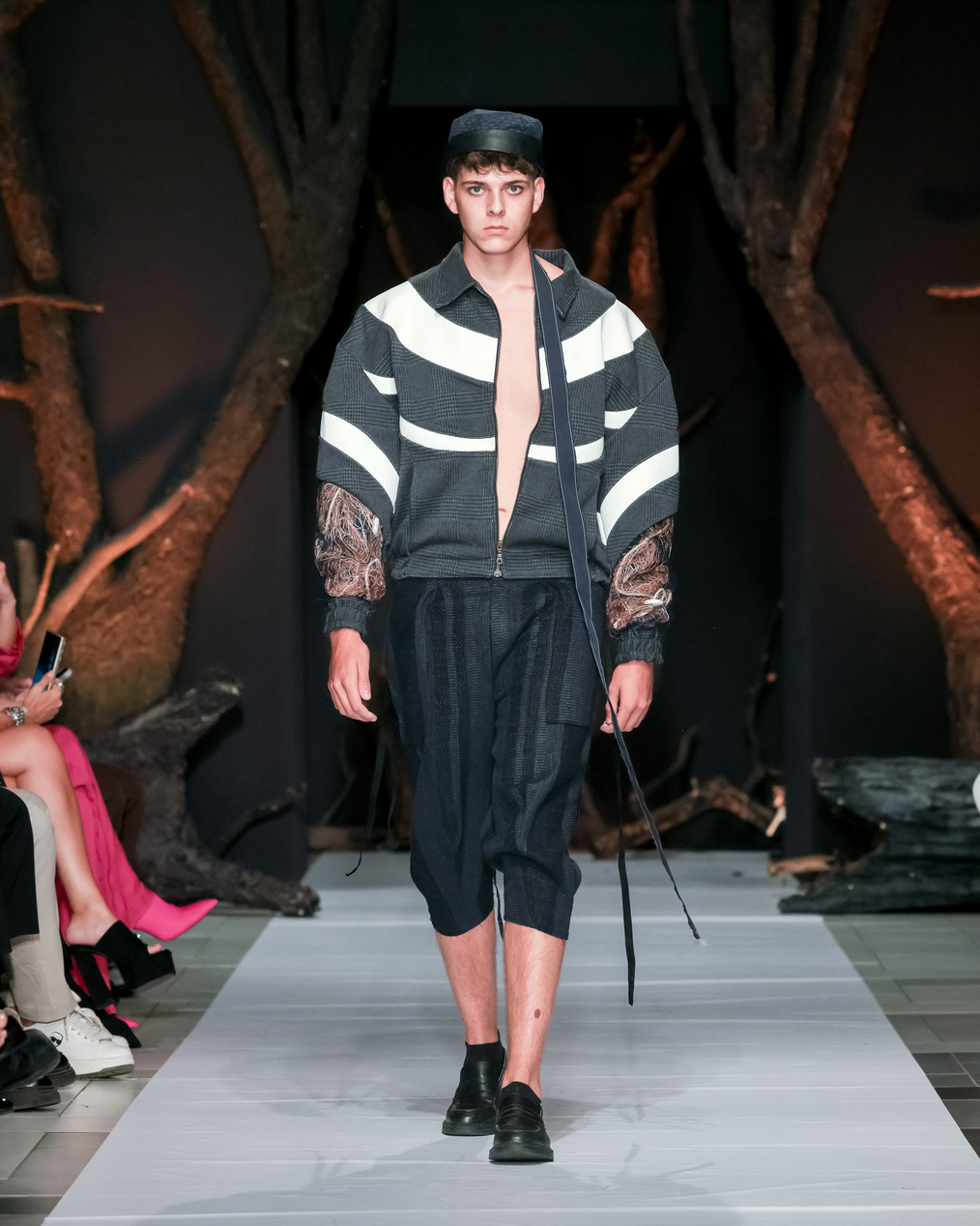
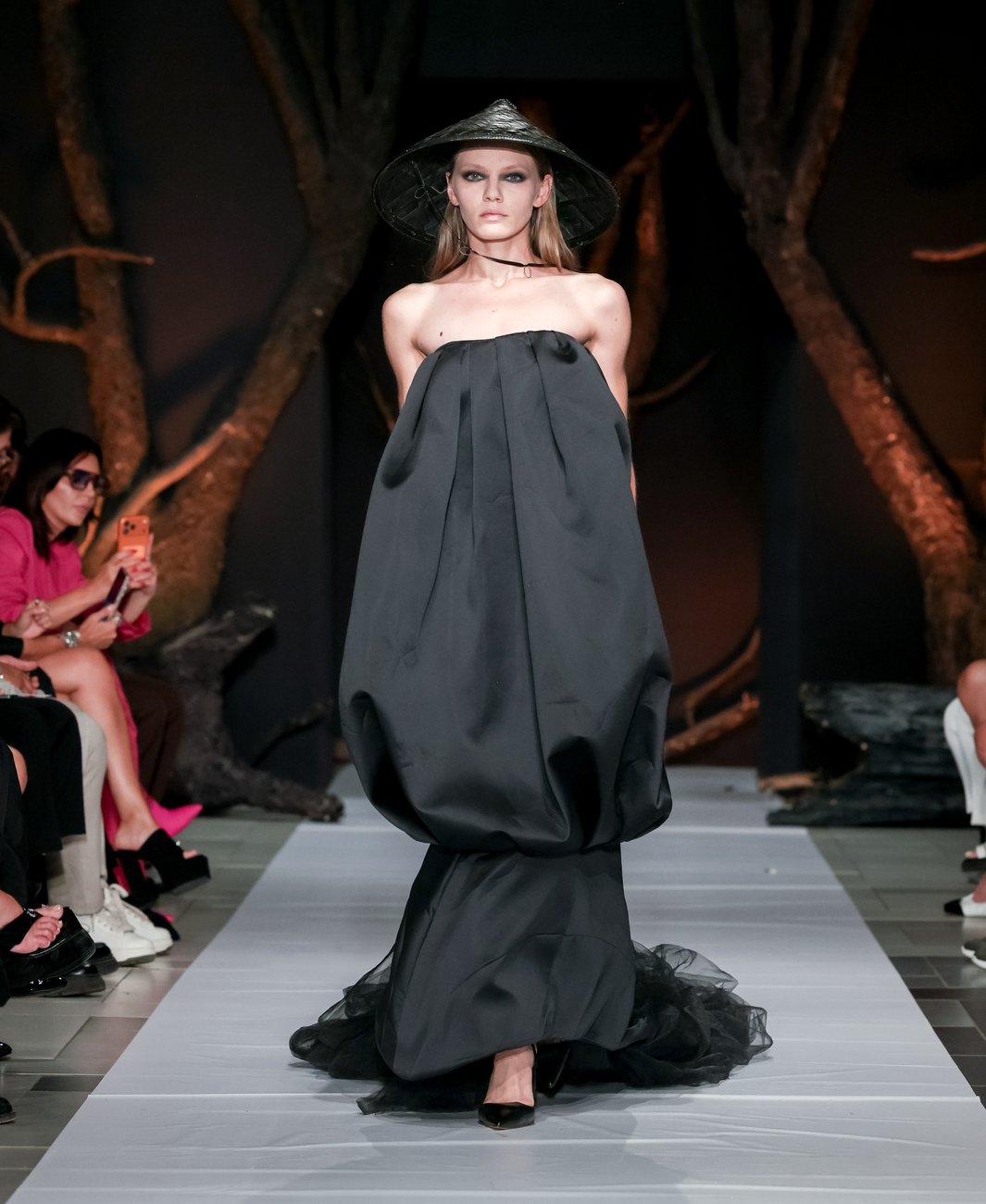
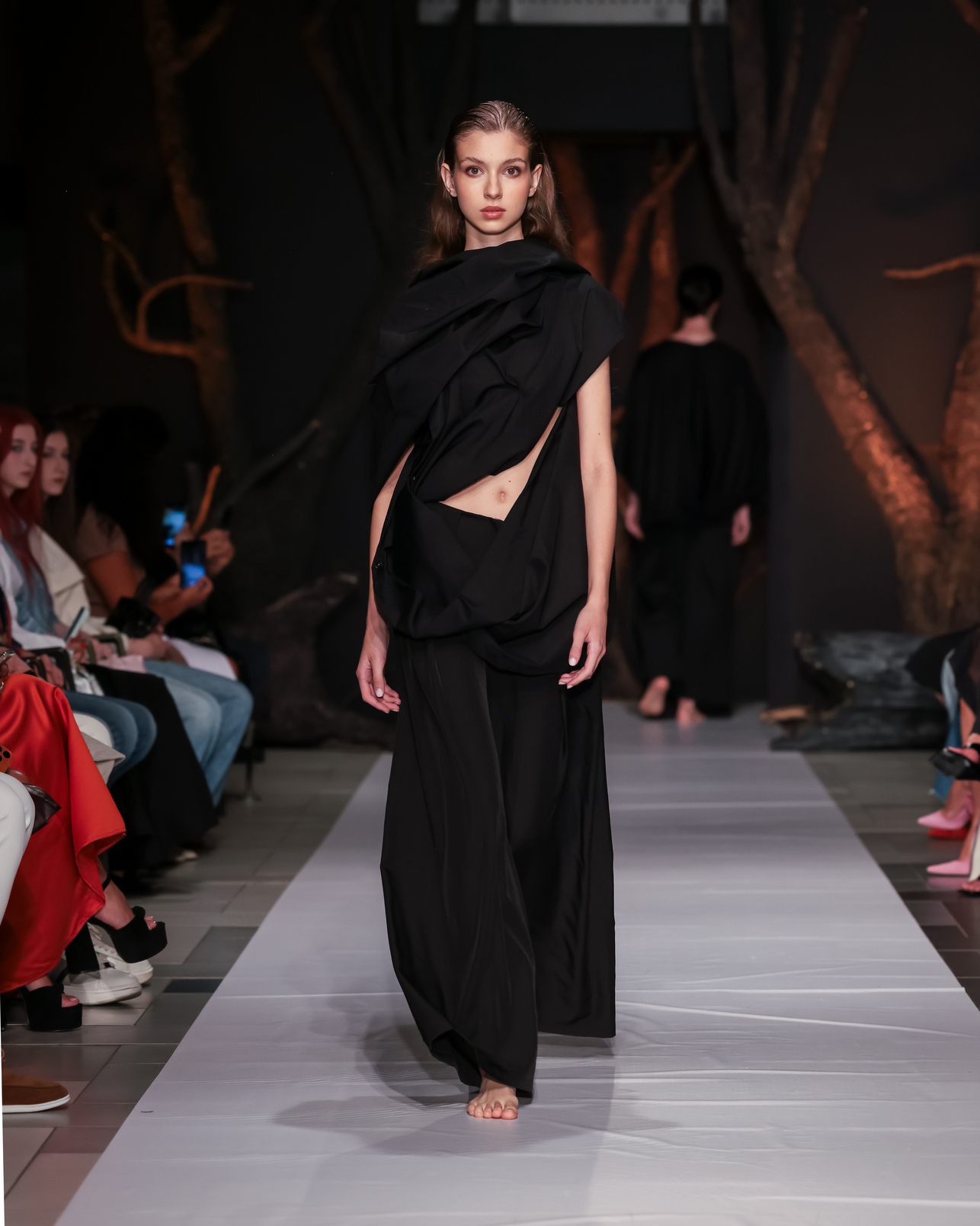
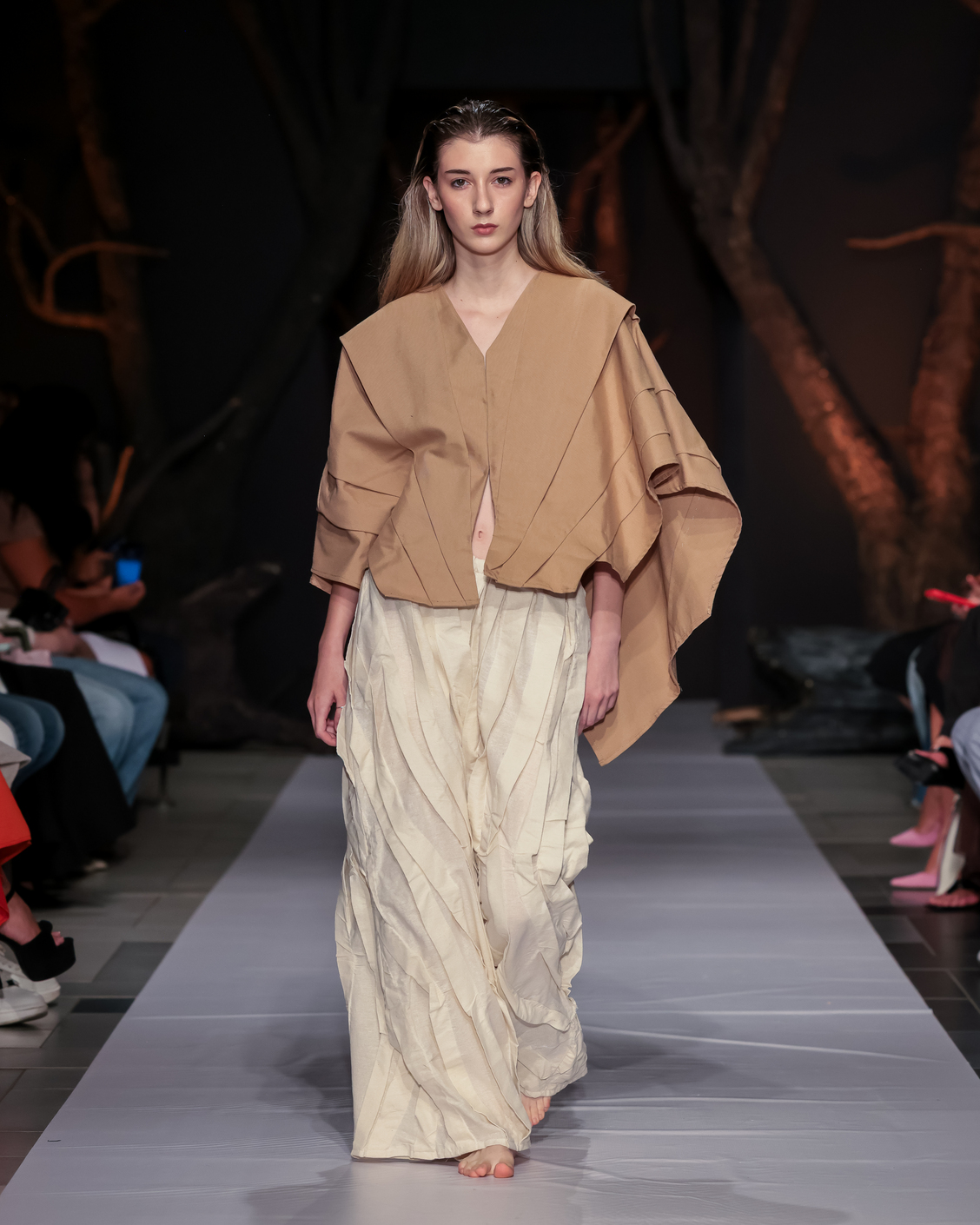
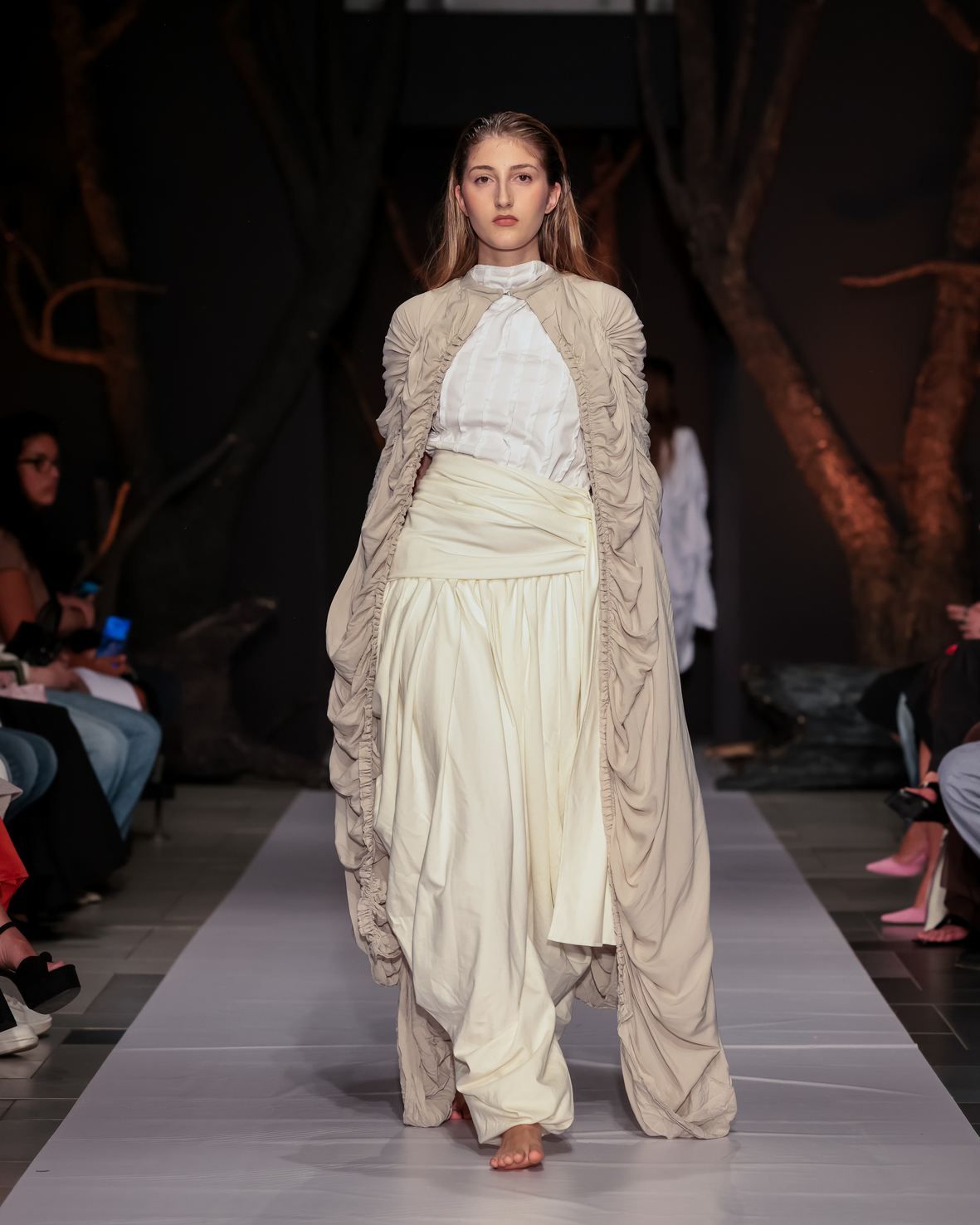
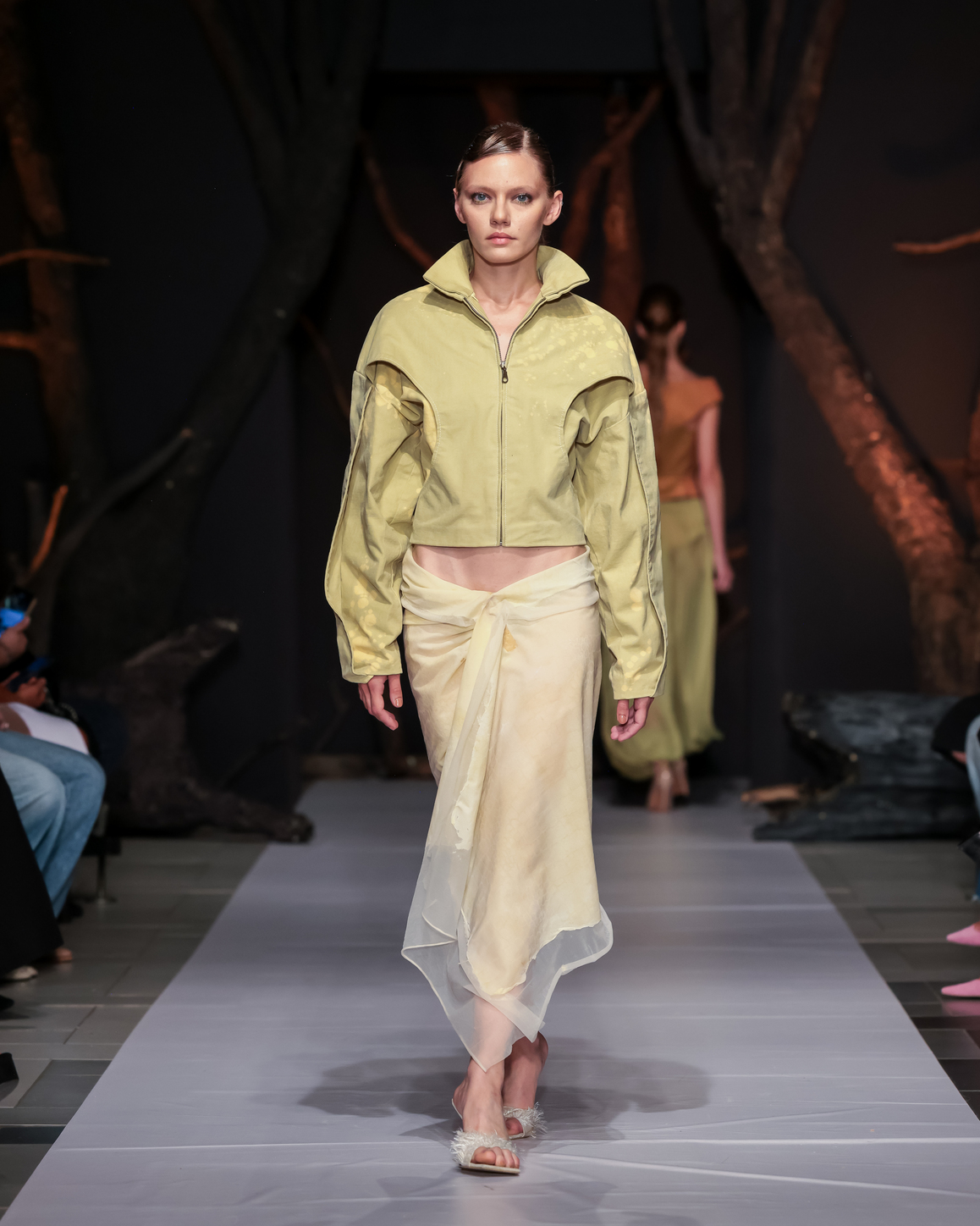
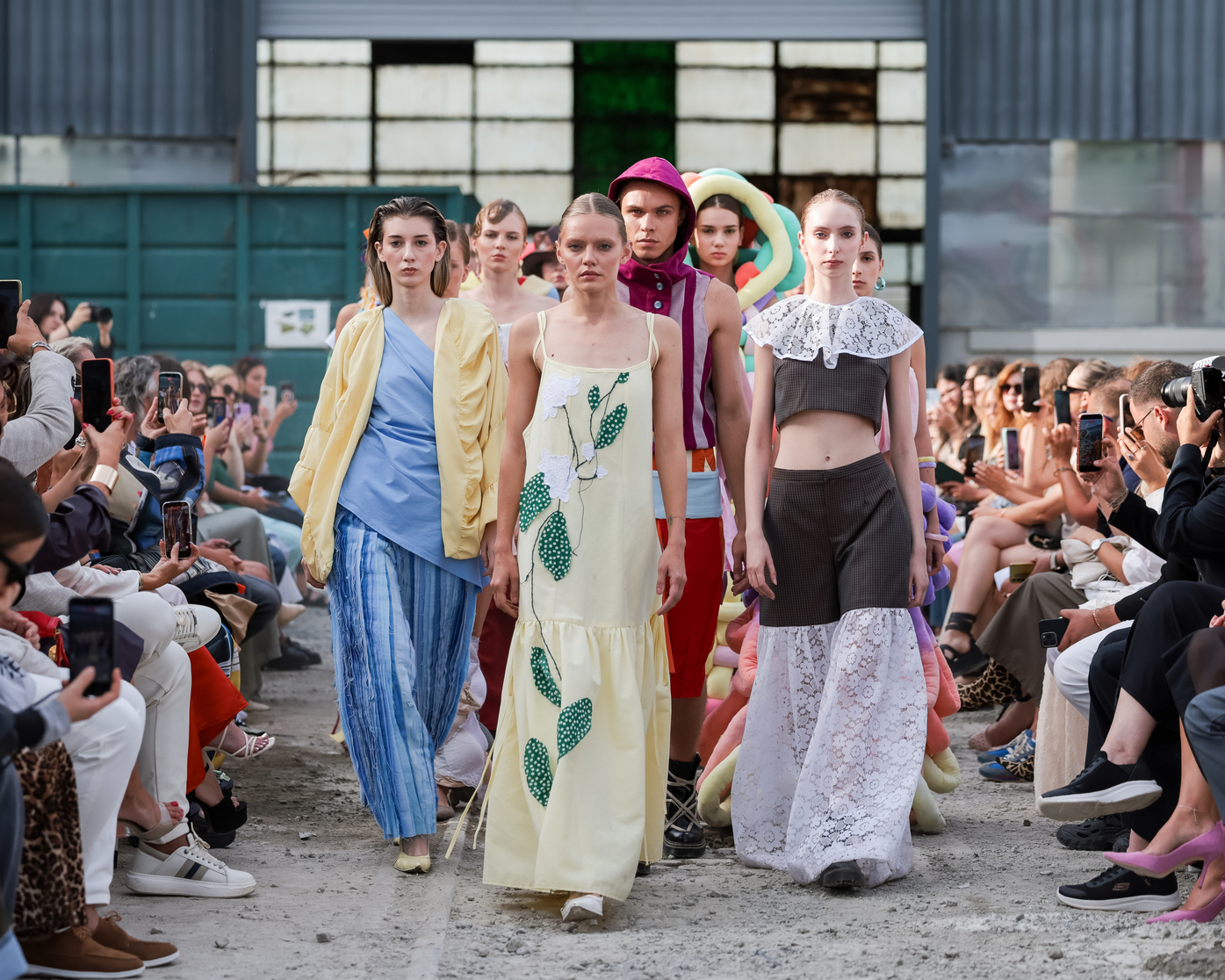
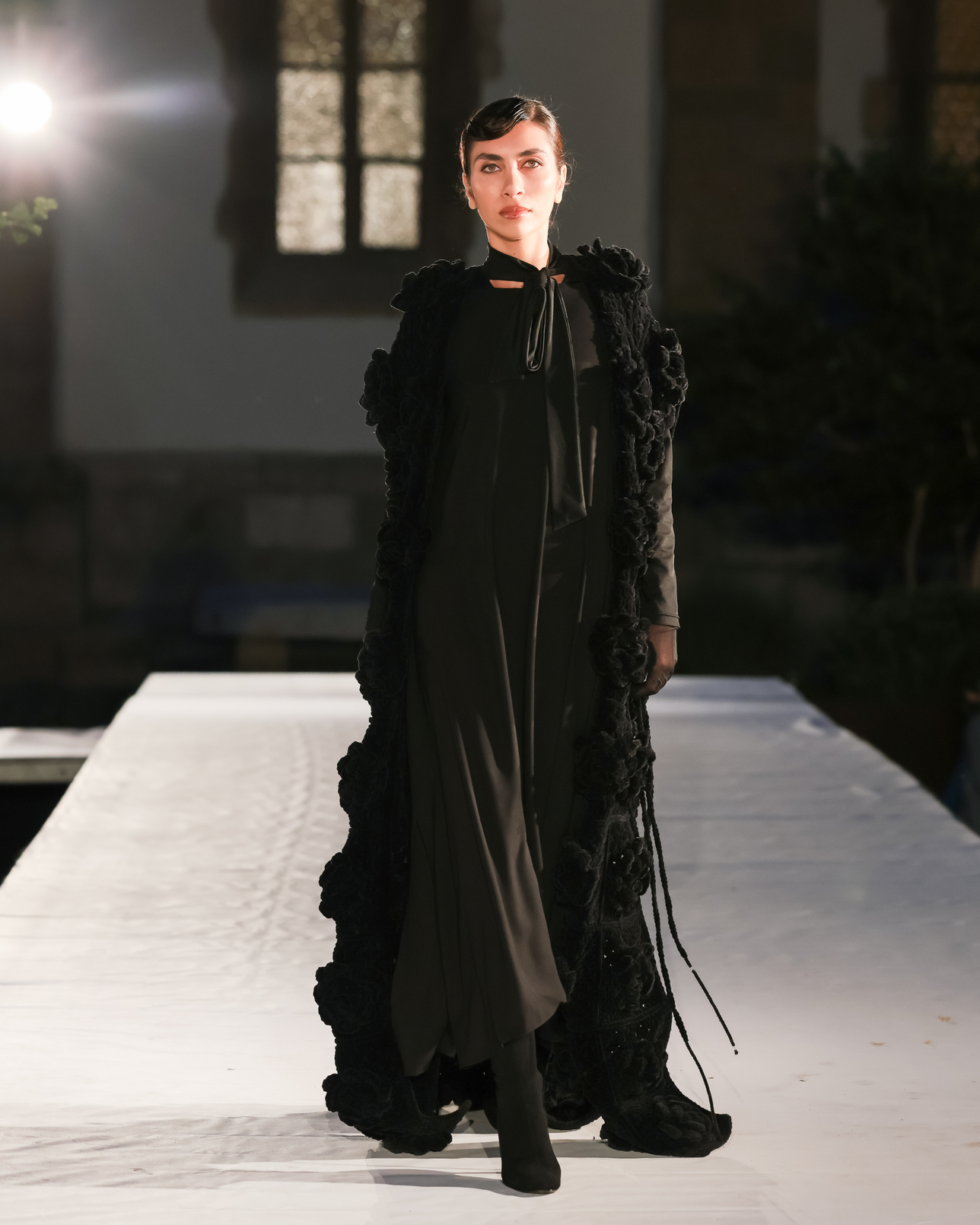
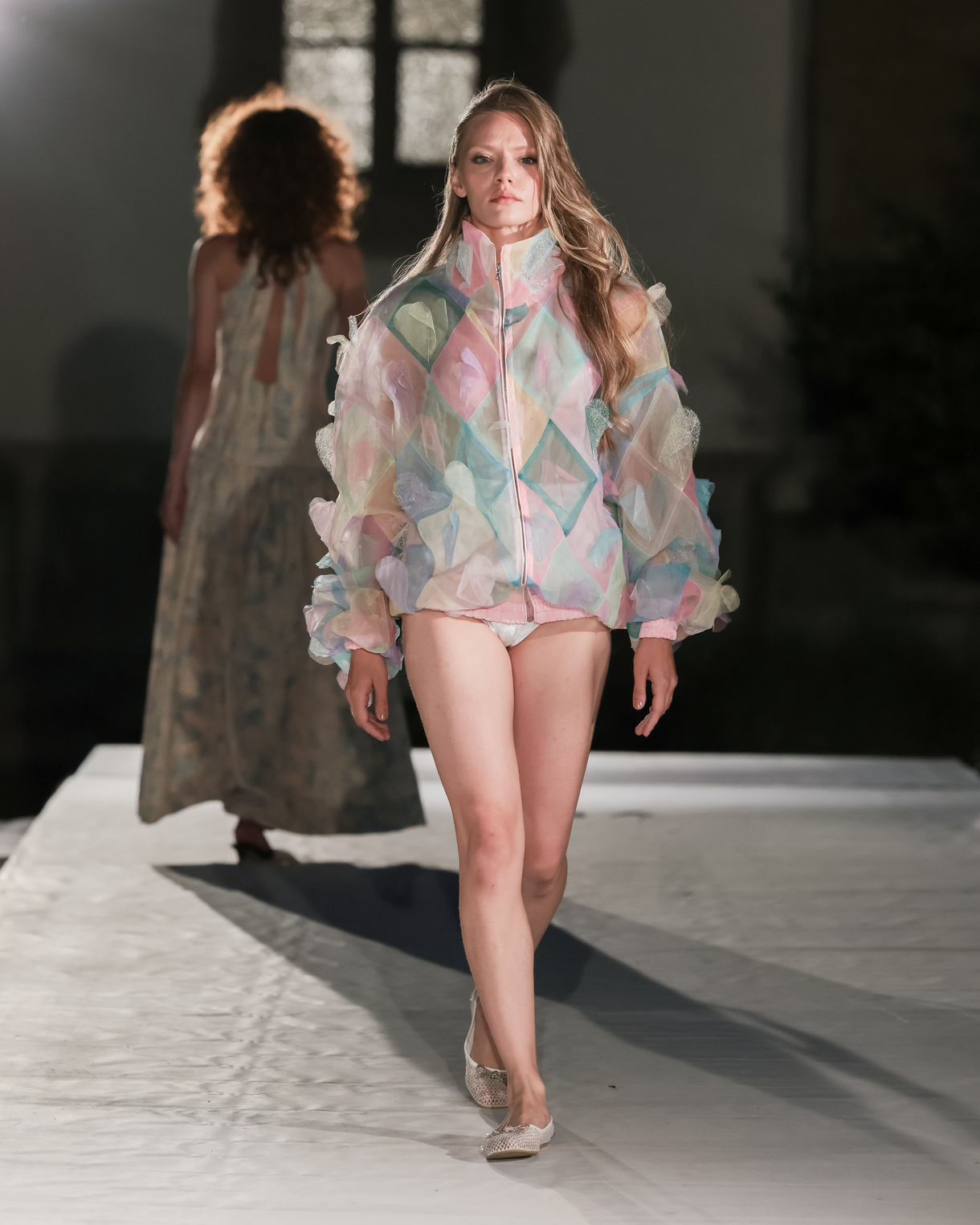
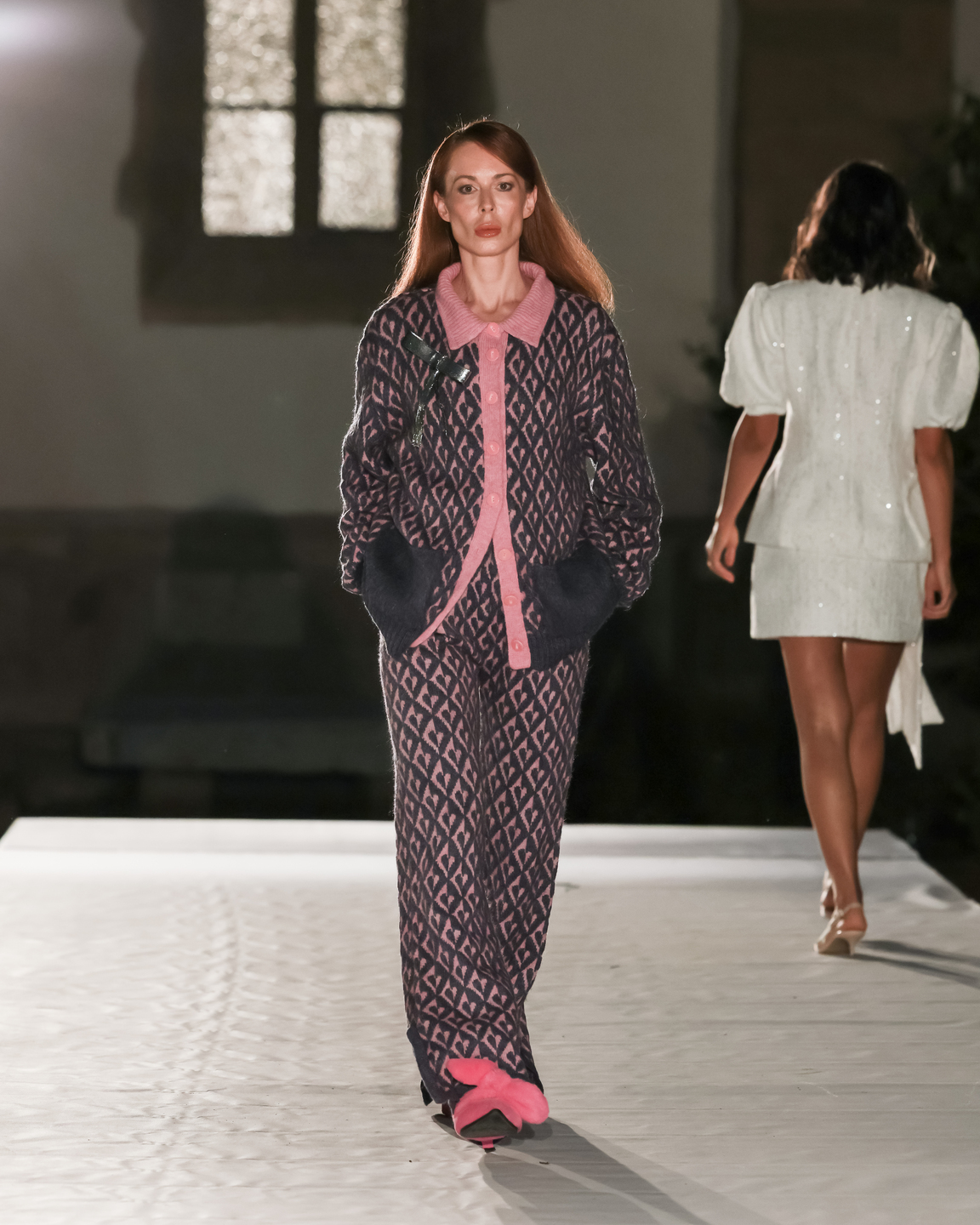
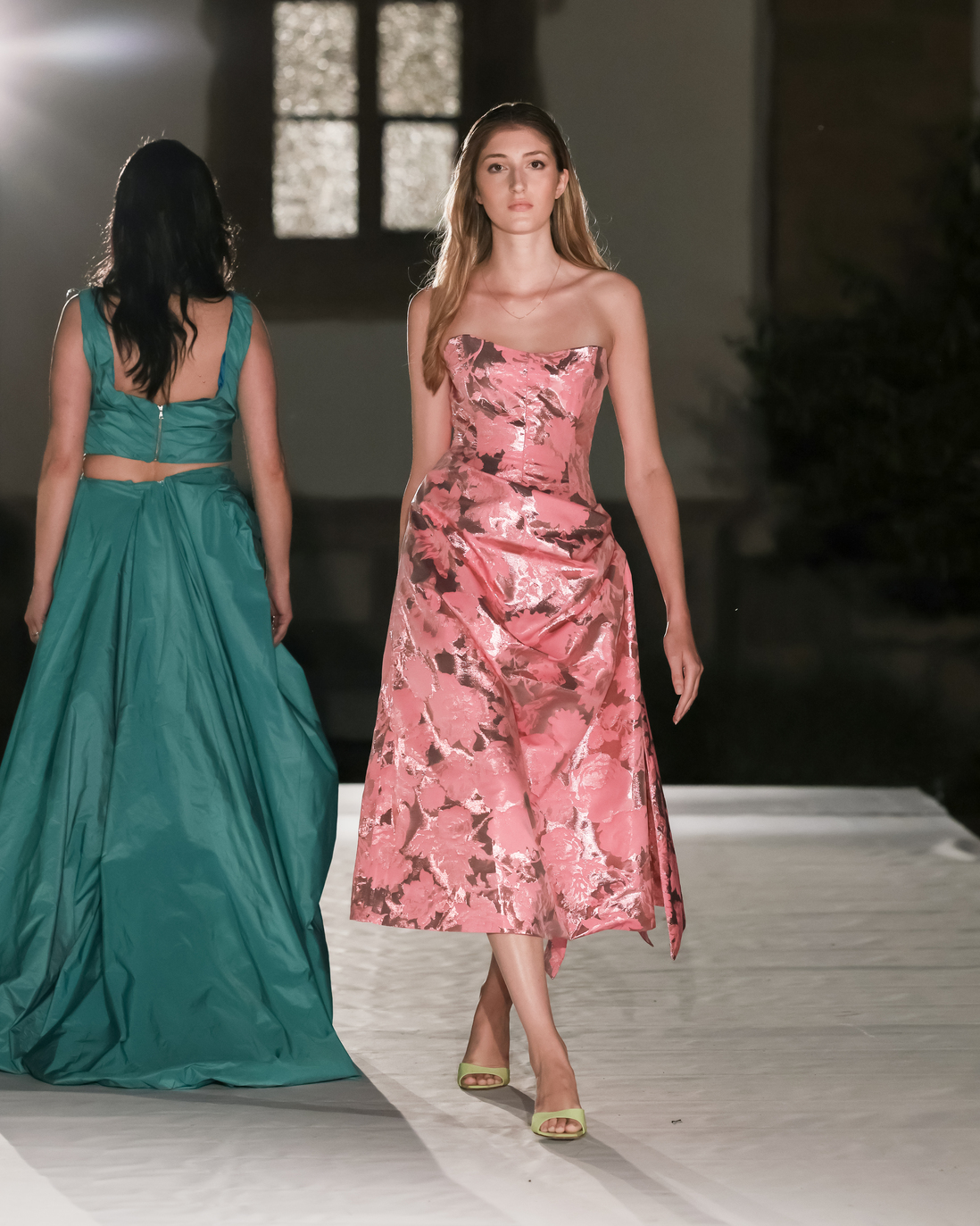
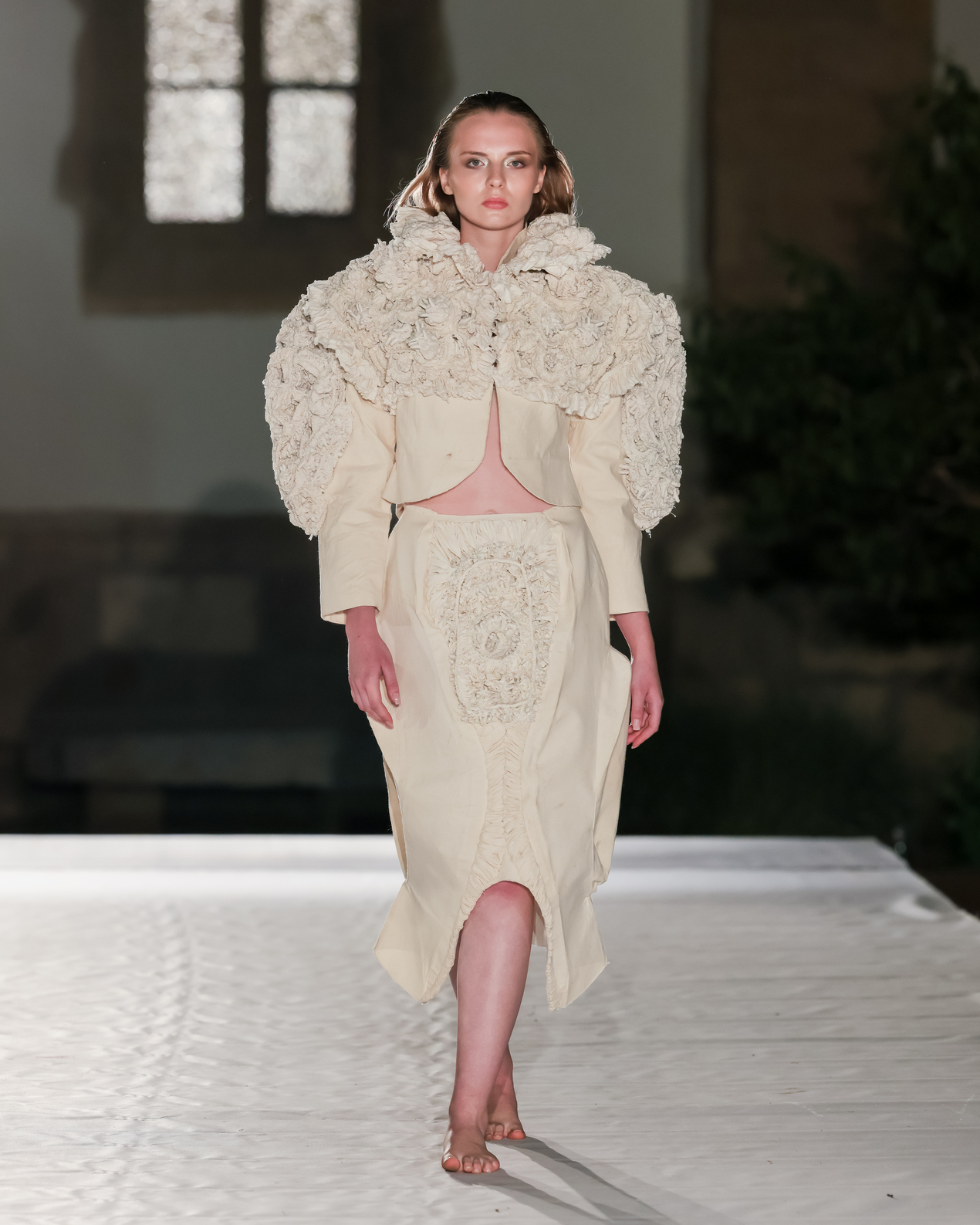
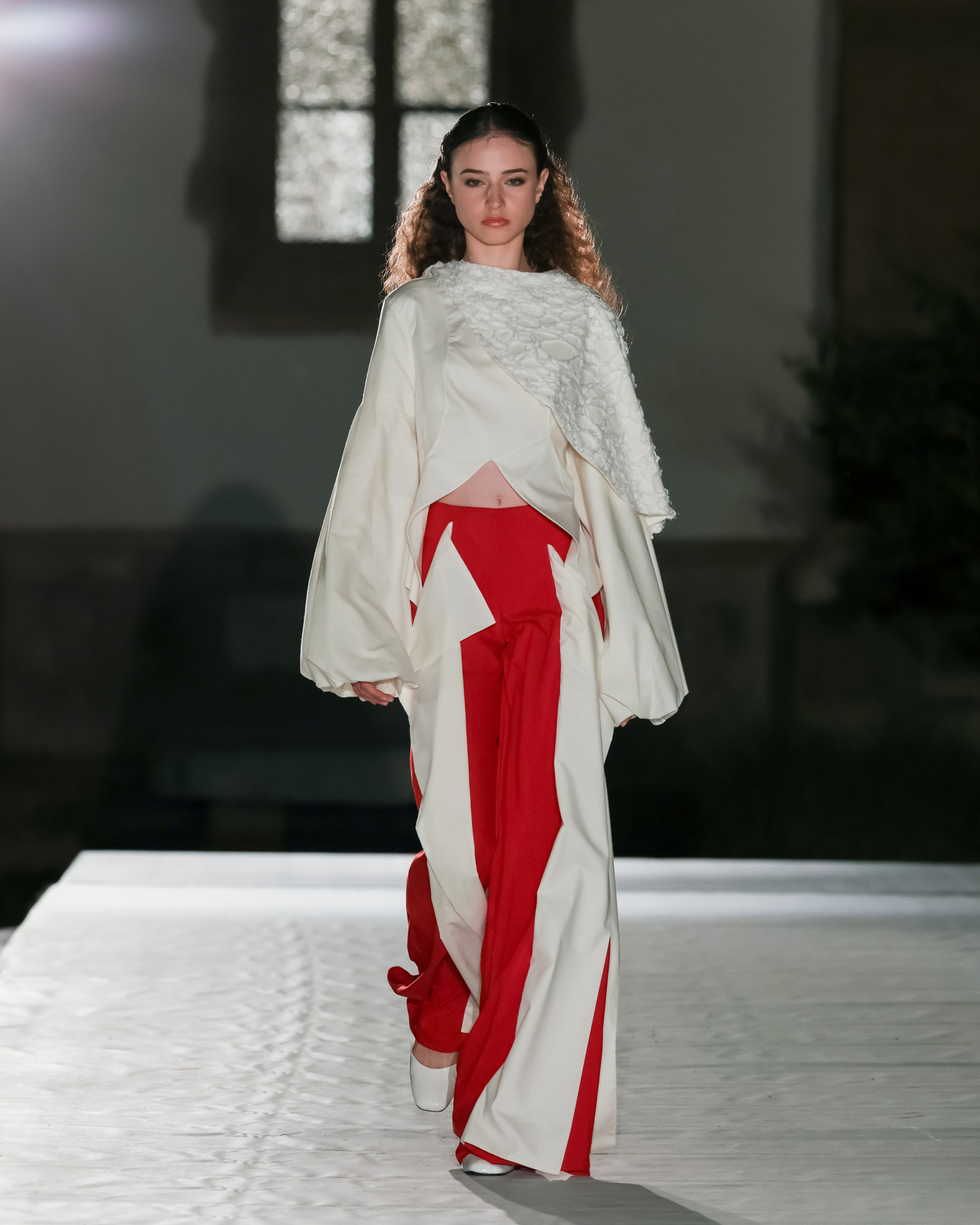
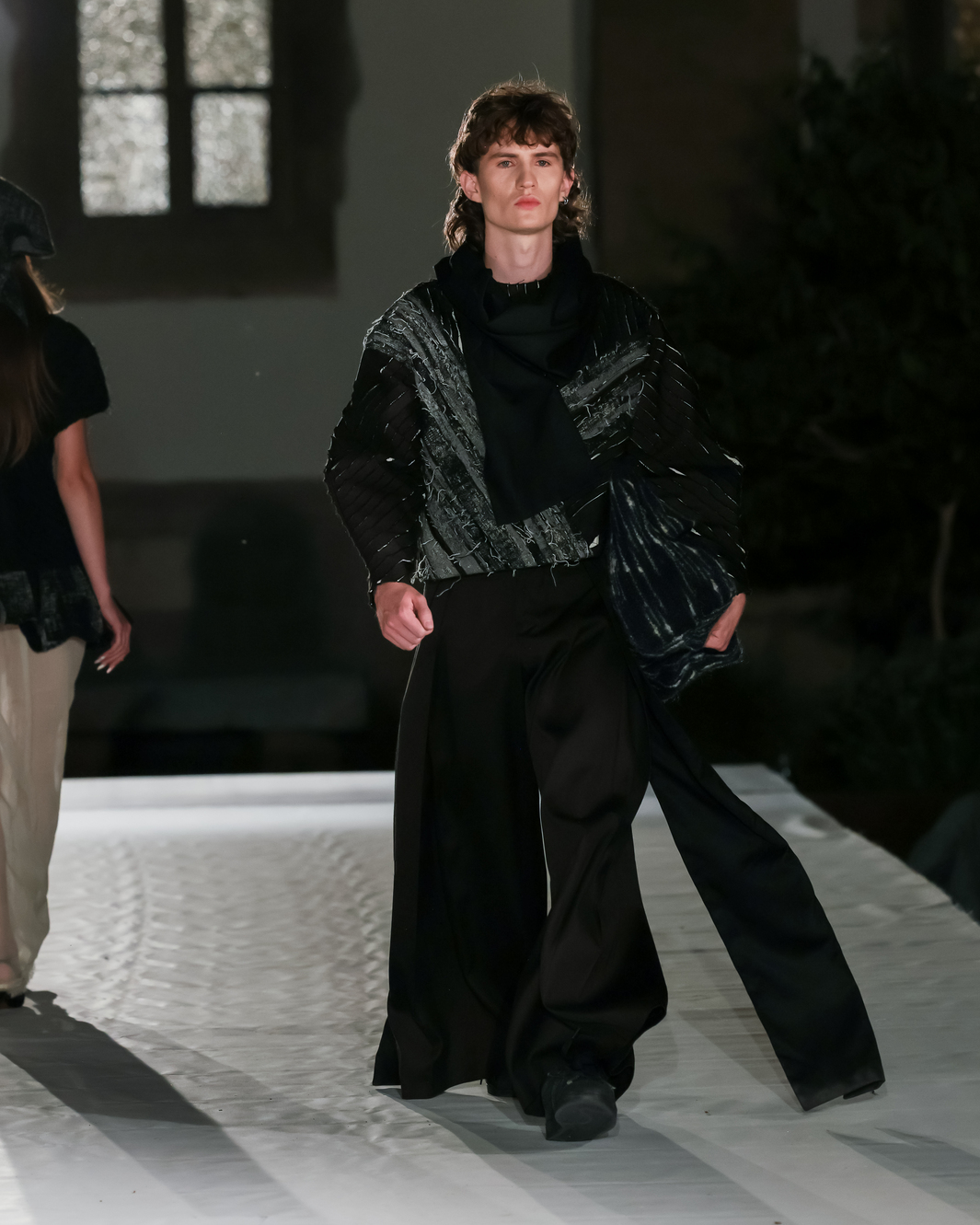
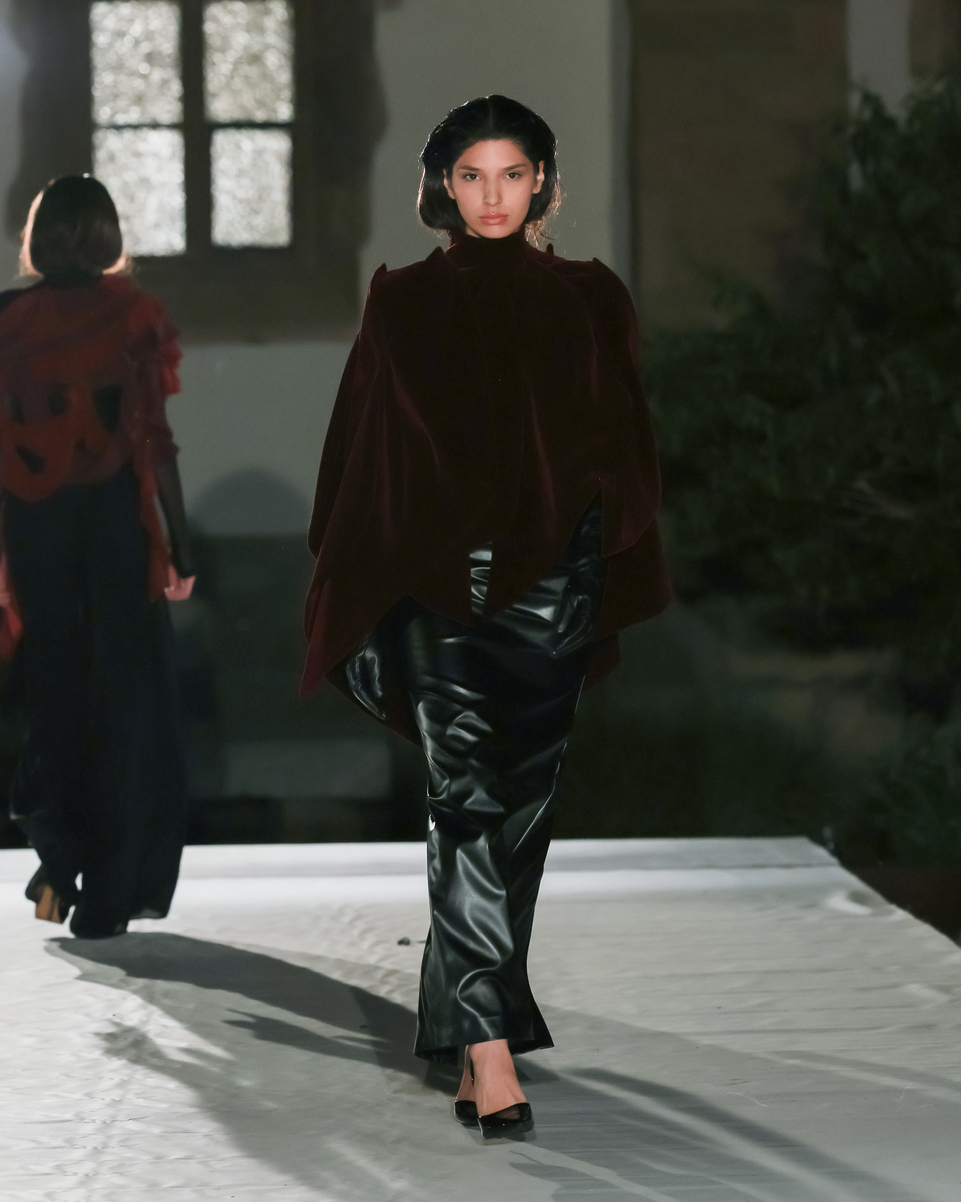
Over the three days dedicated to runway shows, Feeric Fashion Week brought universities and educational institutions from Romania, the Republic of Moldova, Serbia, India, Egypt, Montenegro, Ukraine and other countries to the runway, confirming the event’s role as one of Europe’s most important platforms dedicated to fashion education. The collections presented by the University of Art and Design Cluj-Napoca, the West University of Timișoara, “Aurel Vlaicu” University of Arad, the National University of Arts Bucharest, the University of Oradea, Galala University, New Giza University, International Balkan University, the “George Enescu” University of Arts Iași, UPSC “Ion Creangă” and the International Design Academy with Burgo India illustrated the cultural and creative diversity that defines the new generation of designers.
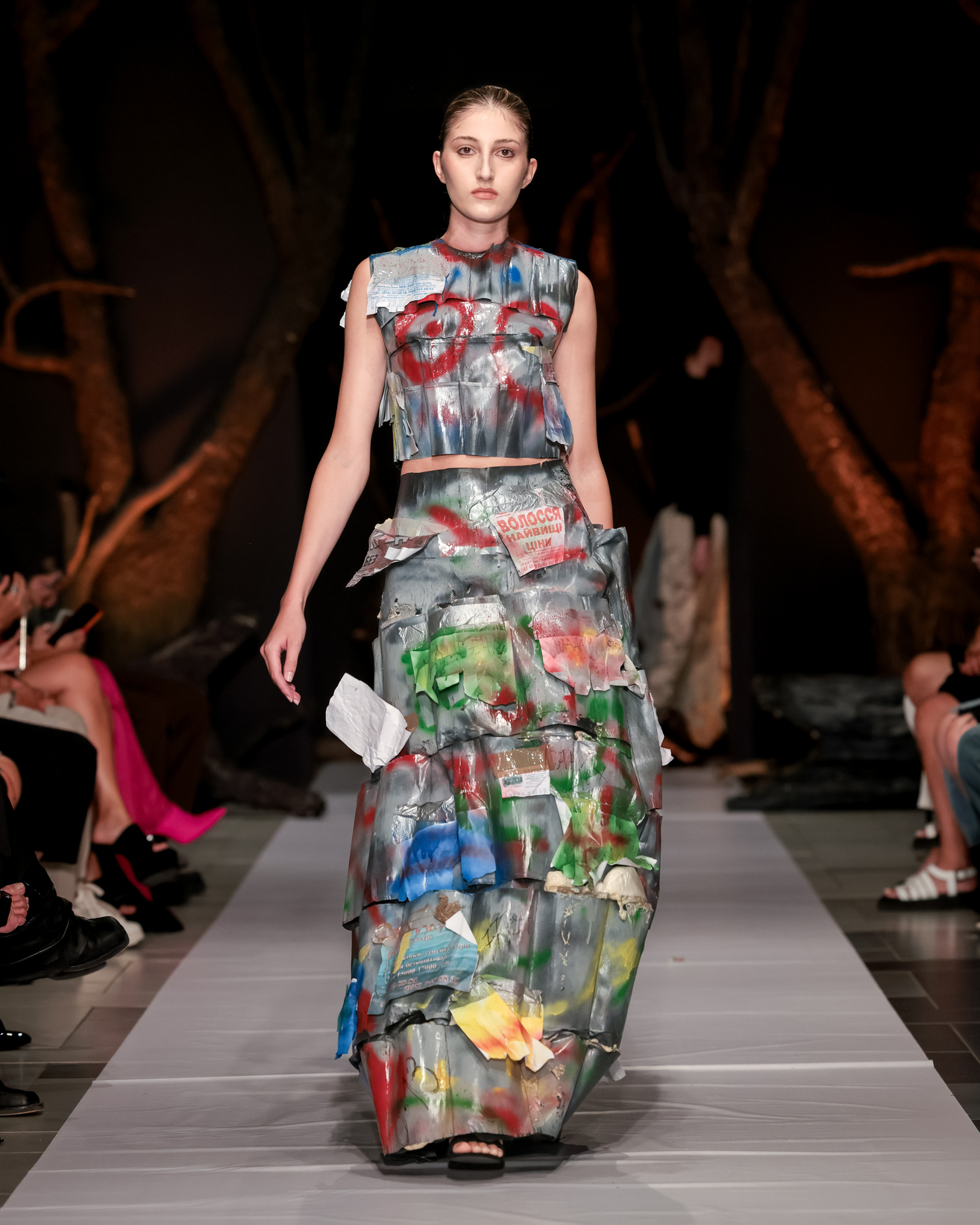
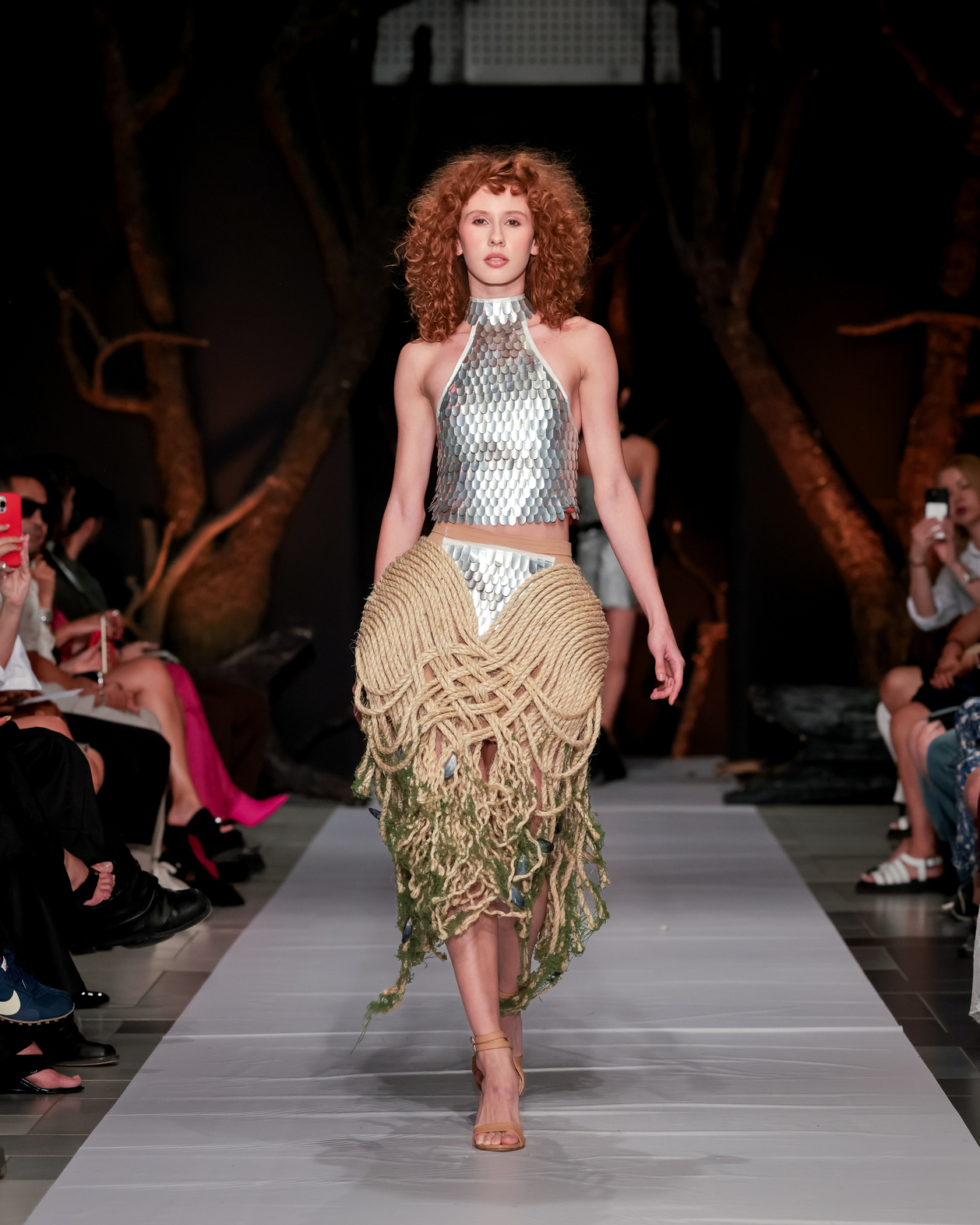
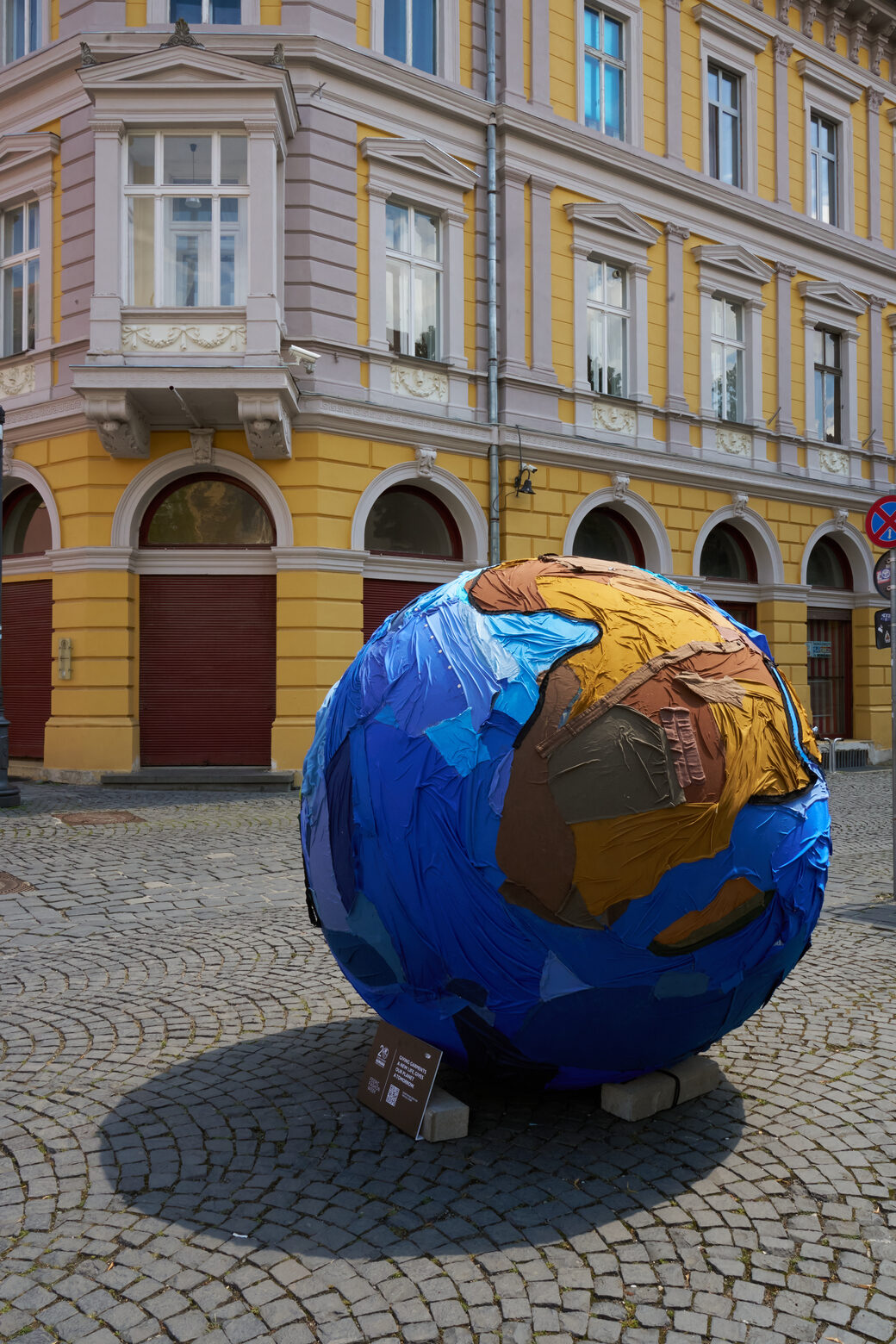
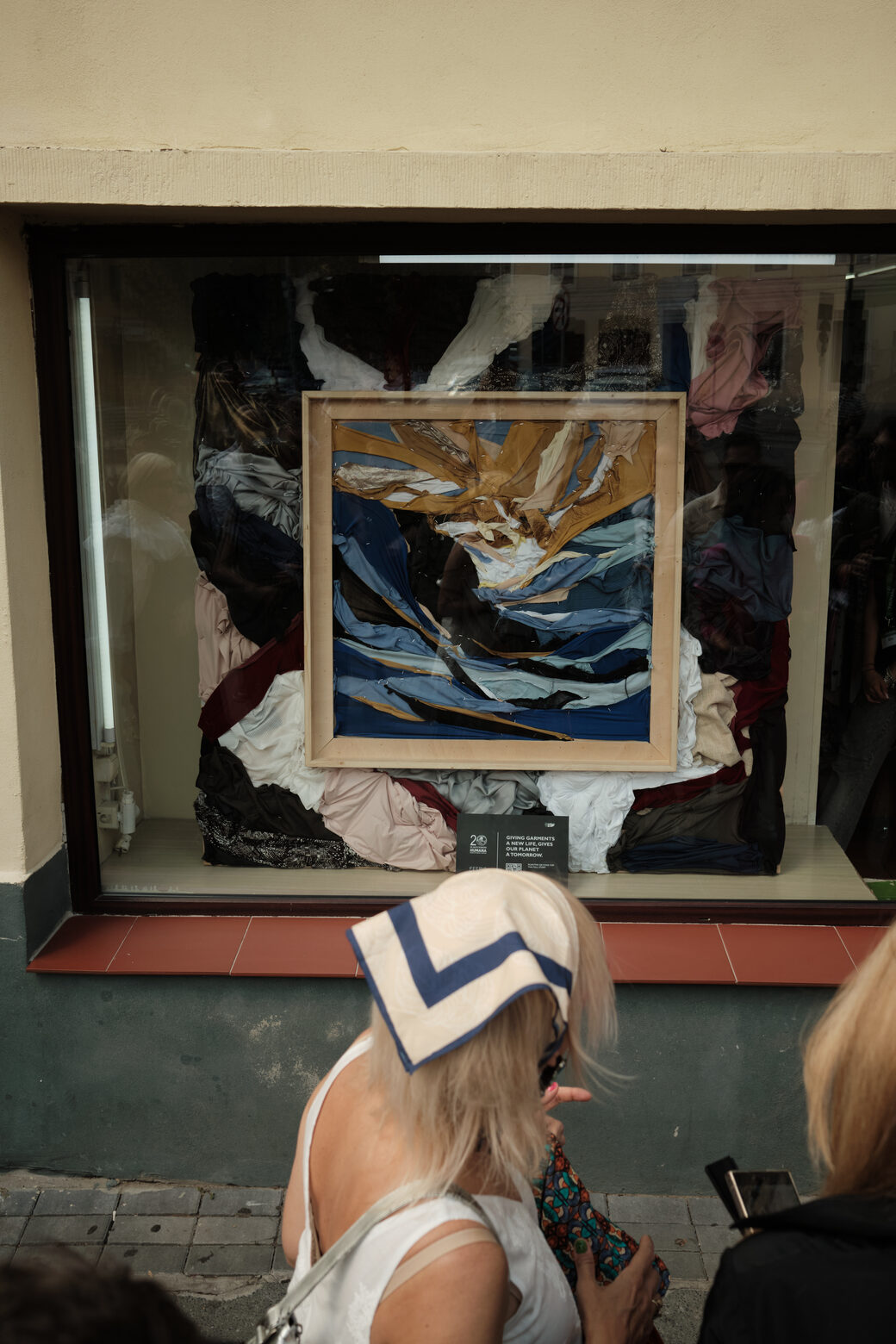
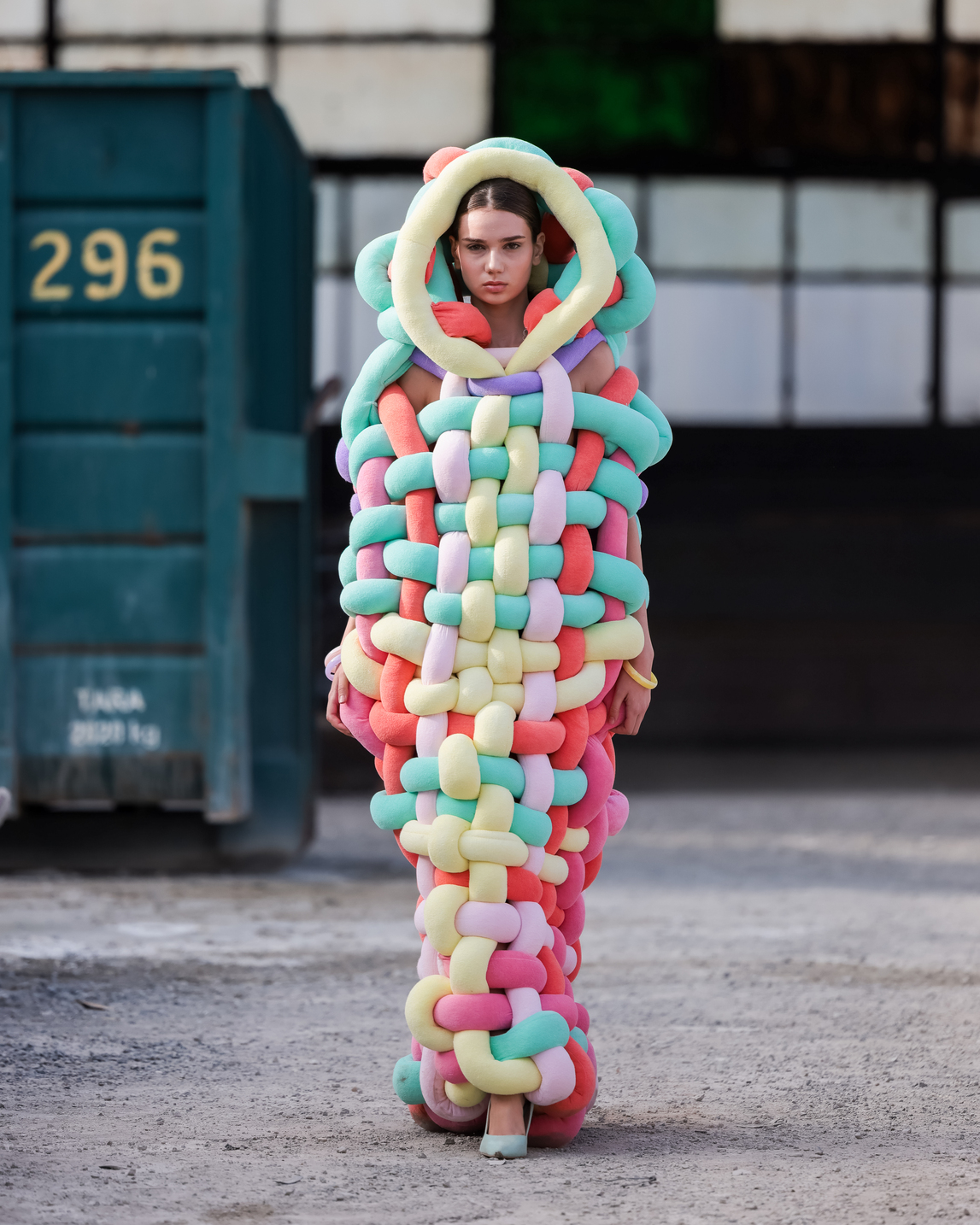
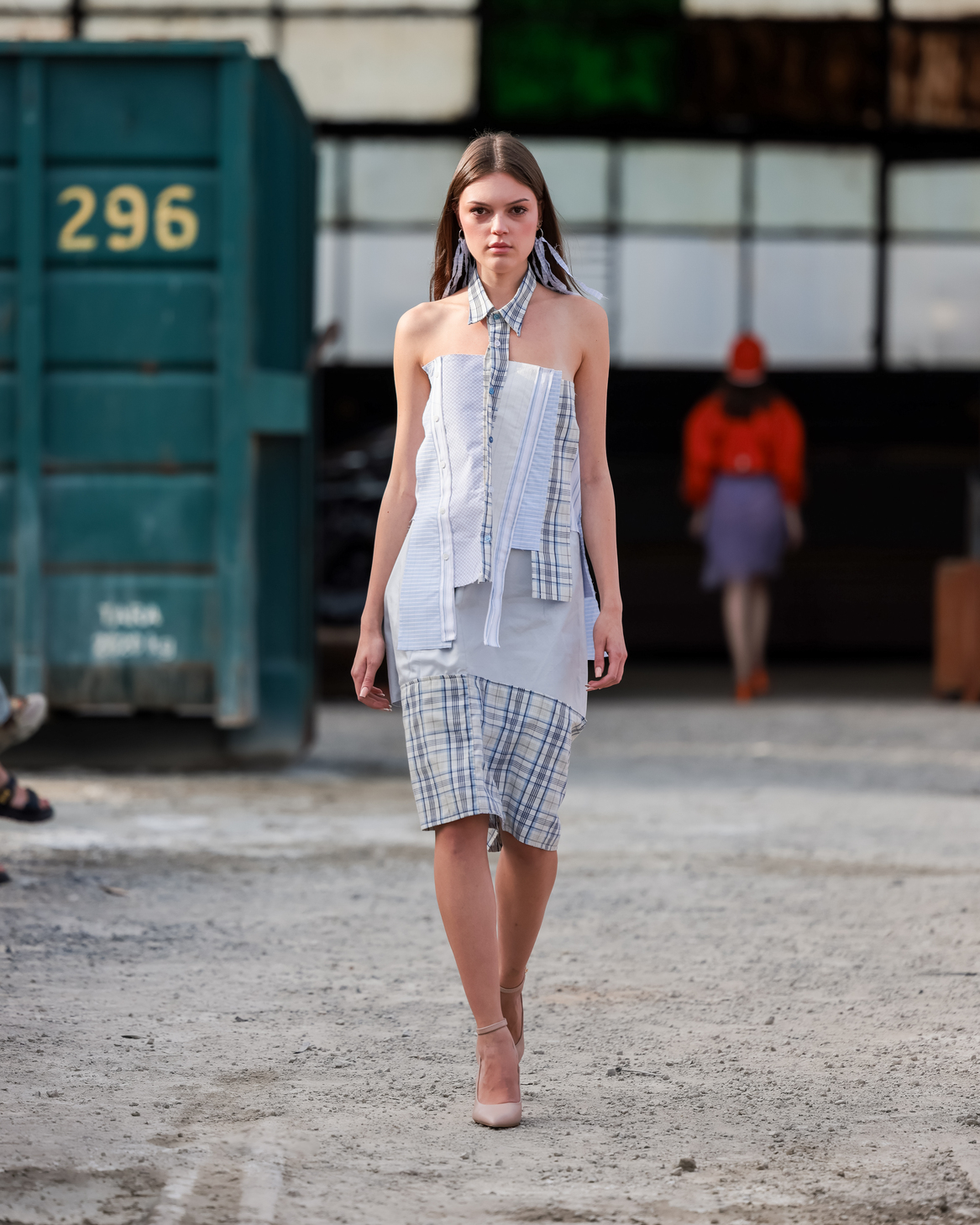
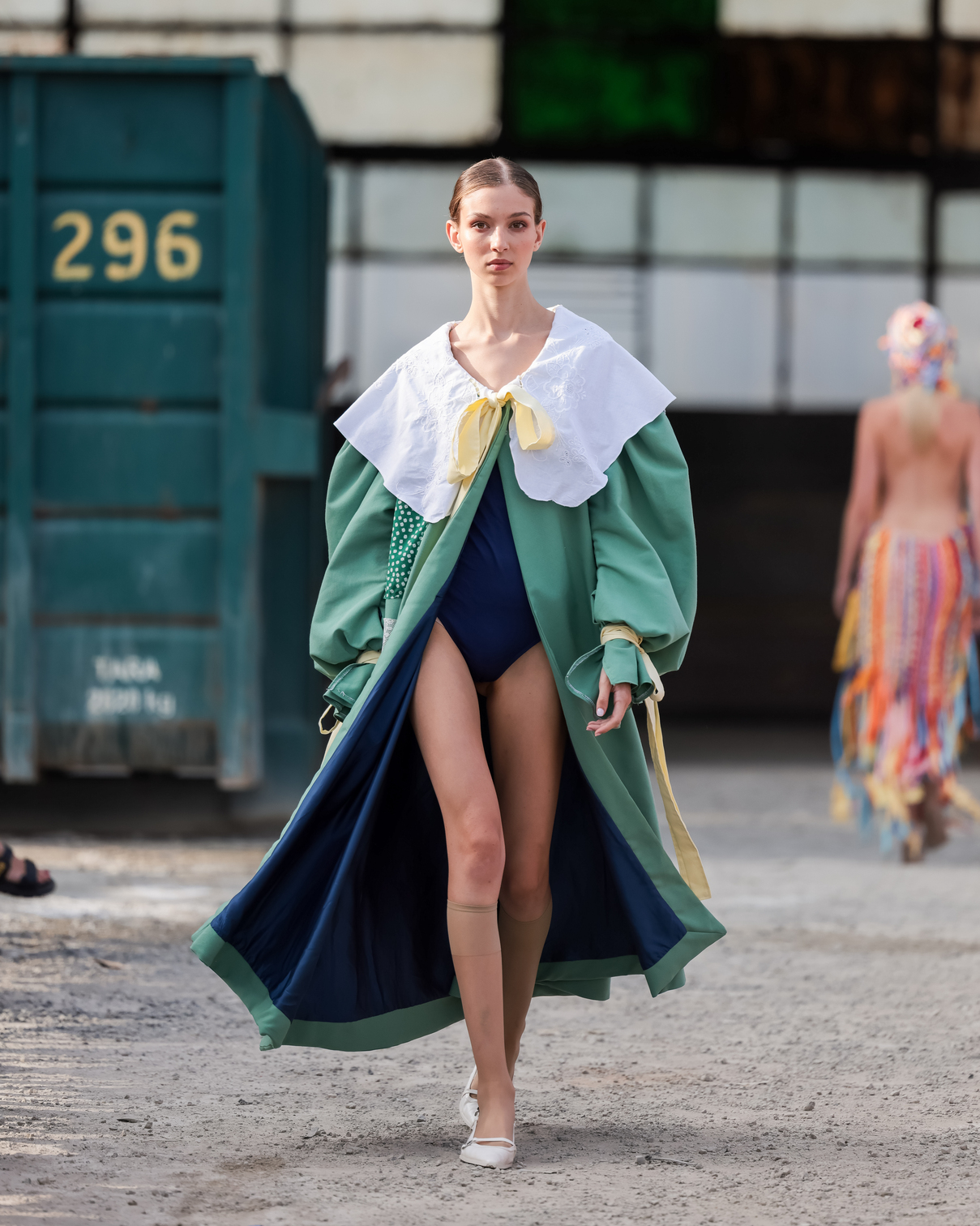
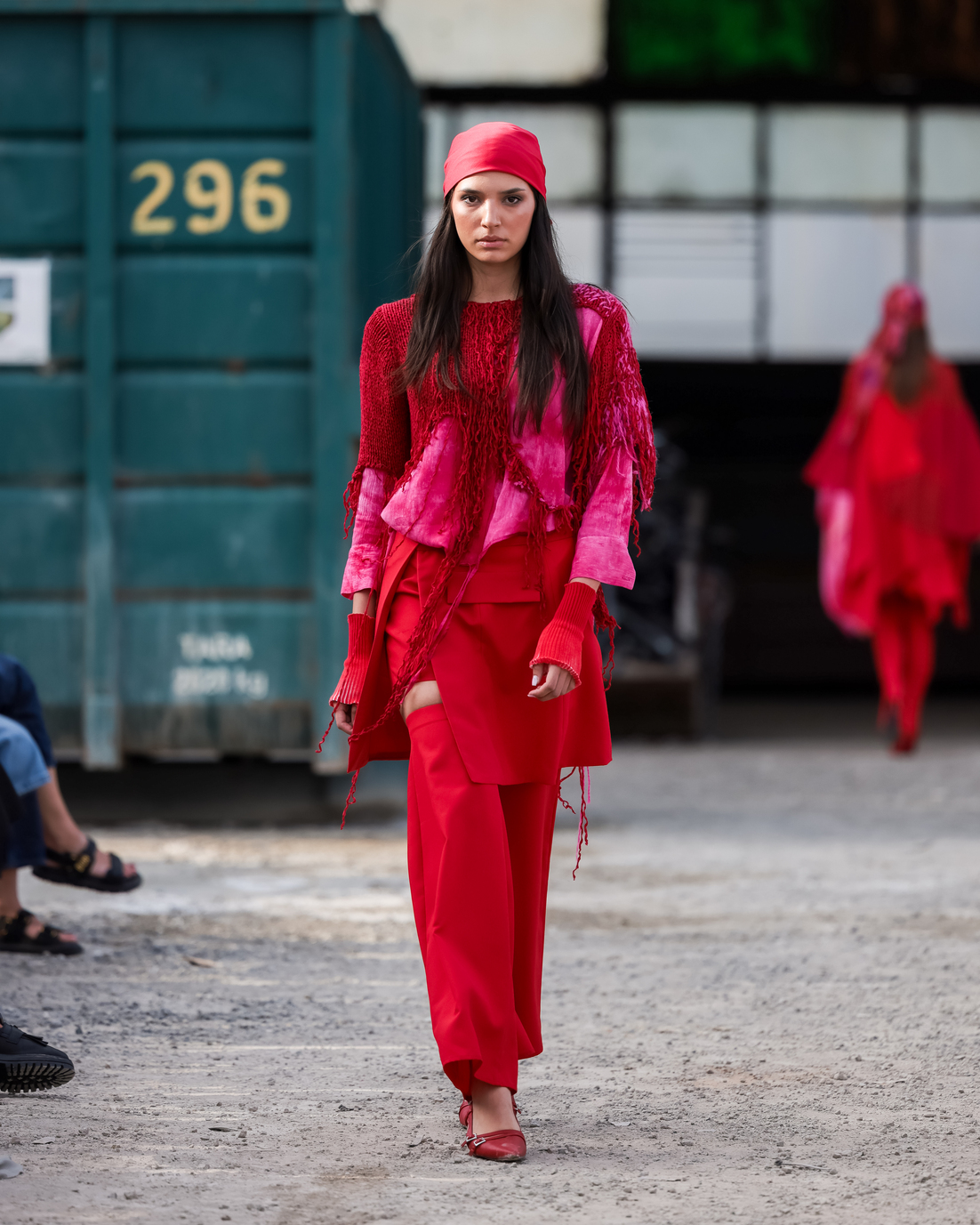
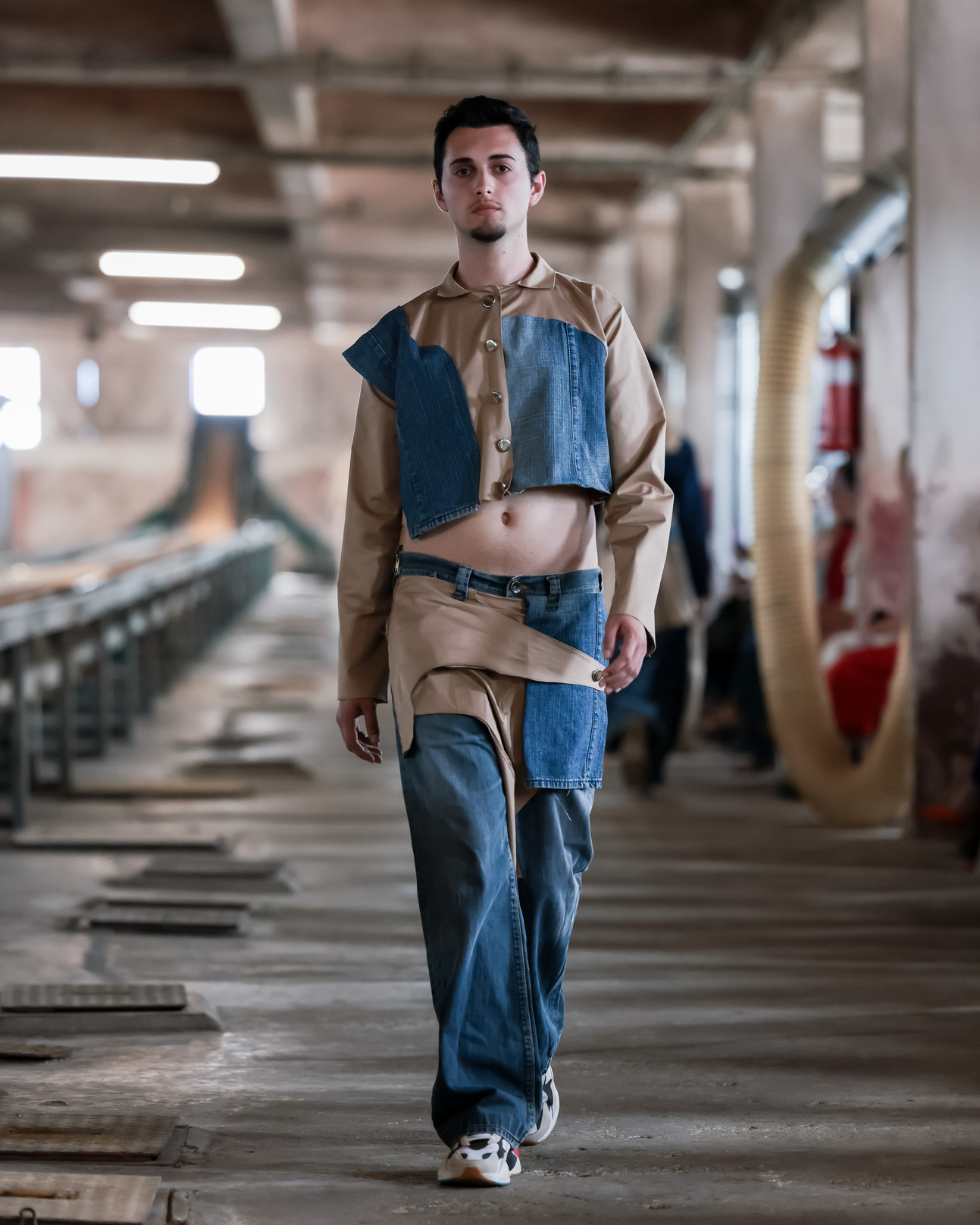
One of the most appreciated moments of the edition was Hooldra – Visible Transformation, a project coordinated by Daiana Stancioiu in partnership with Humana. Twenty students from eight universities and three countries demonstrated that circular fashion can become an authentic form of artistic expression, transforming recovered garments into contemporary collections made from reused materials, vintage textiles and deadstock. The “See Now, Buy Now” concept, implemented through the Dharug platform, gave the public the opportunity to purchase the creations immediately after the show, bringing independent fashion closer to the end consumer.
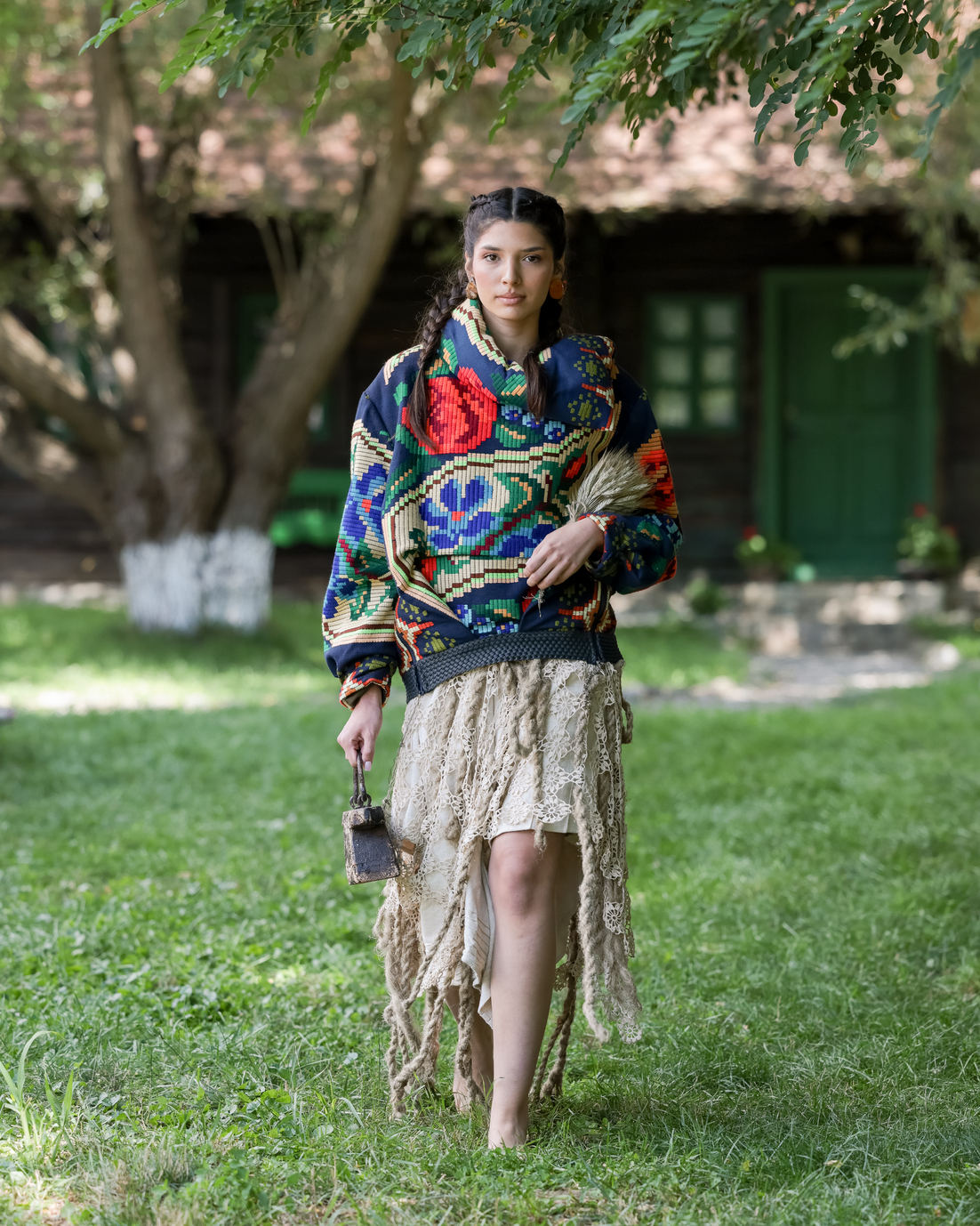
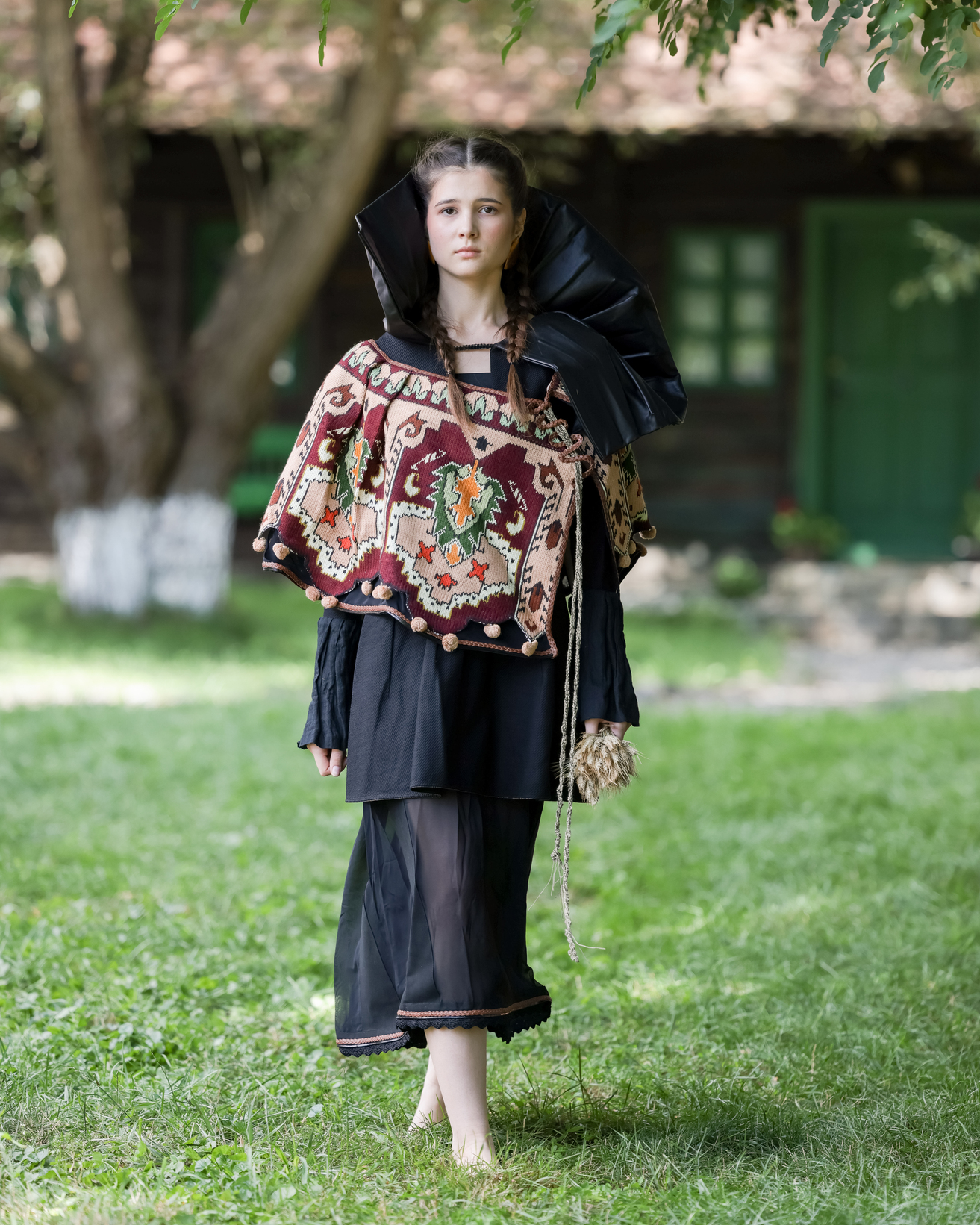
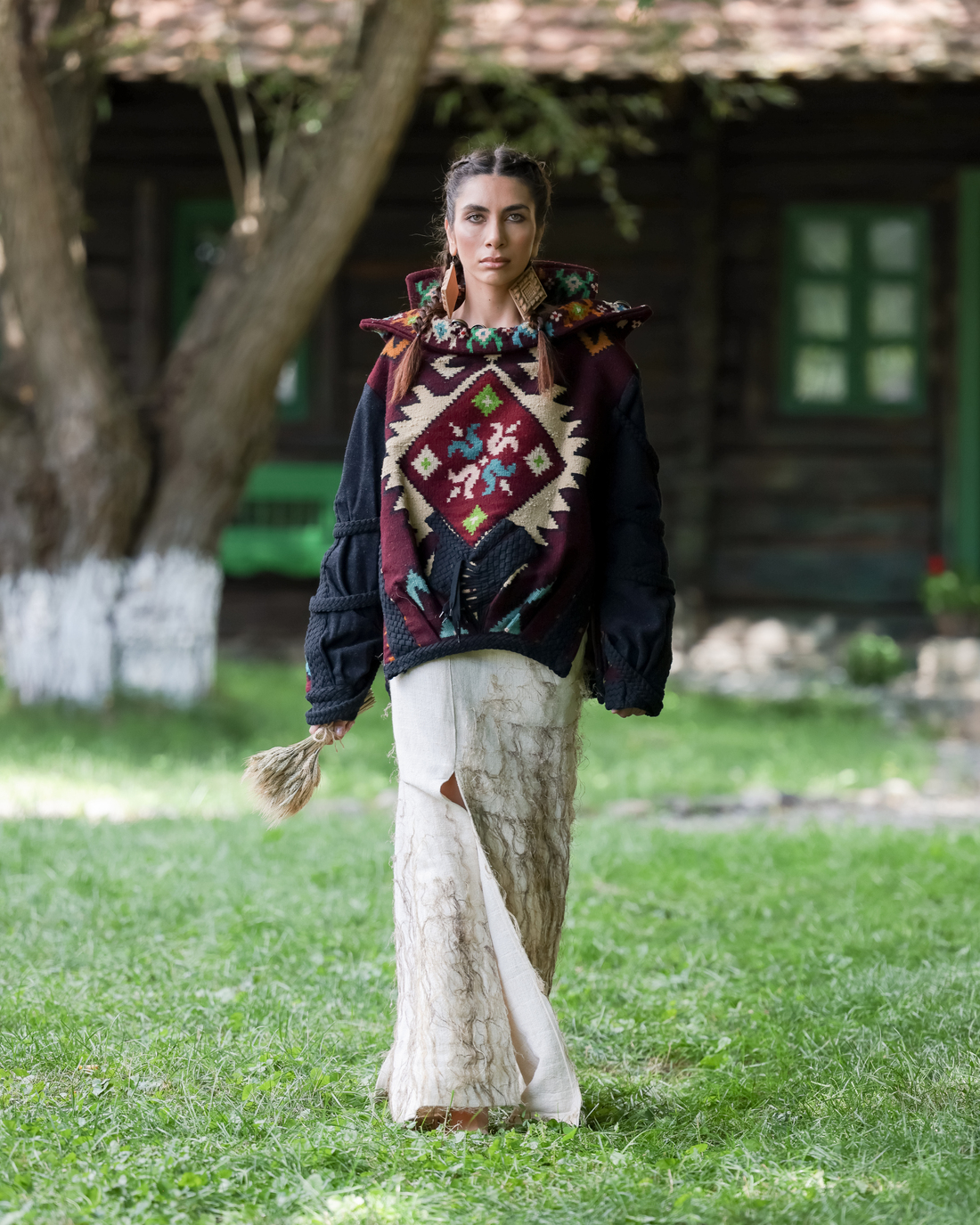
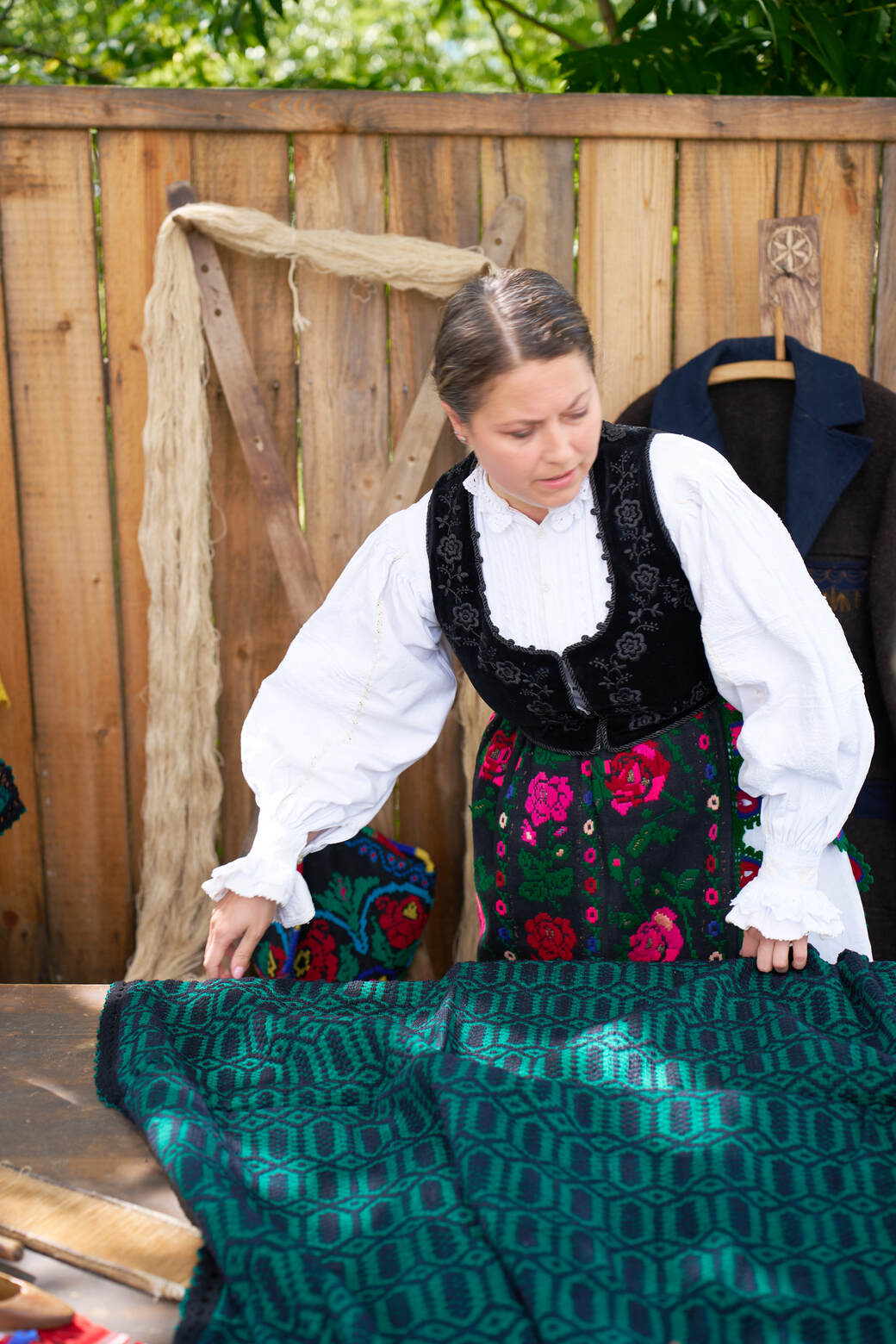
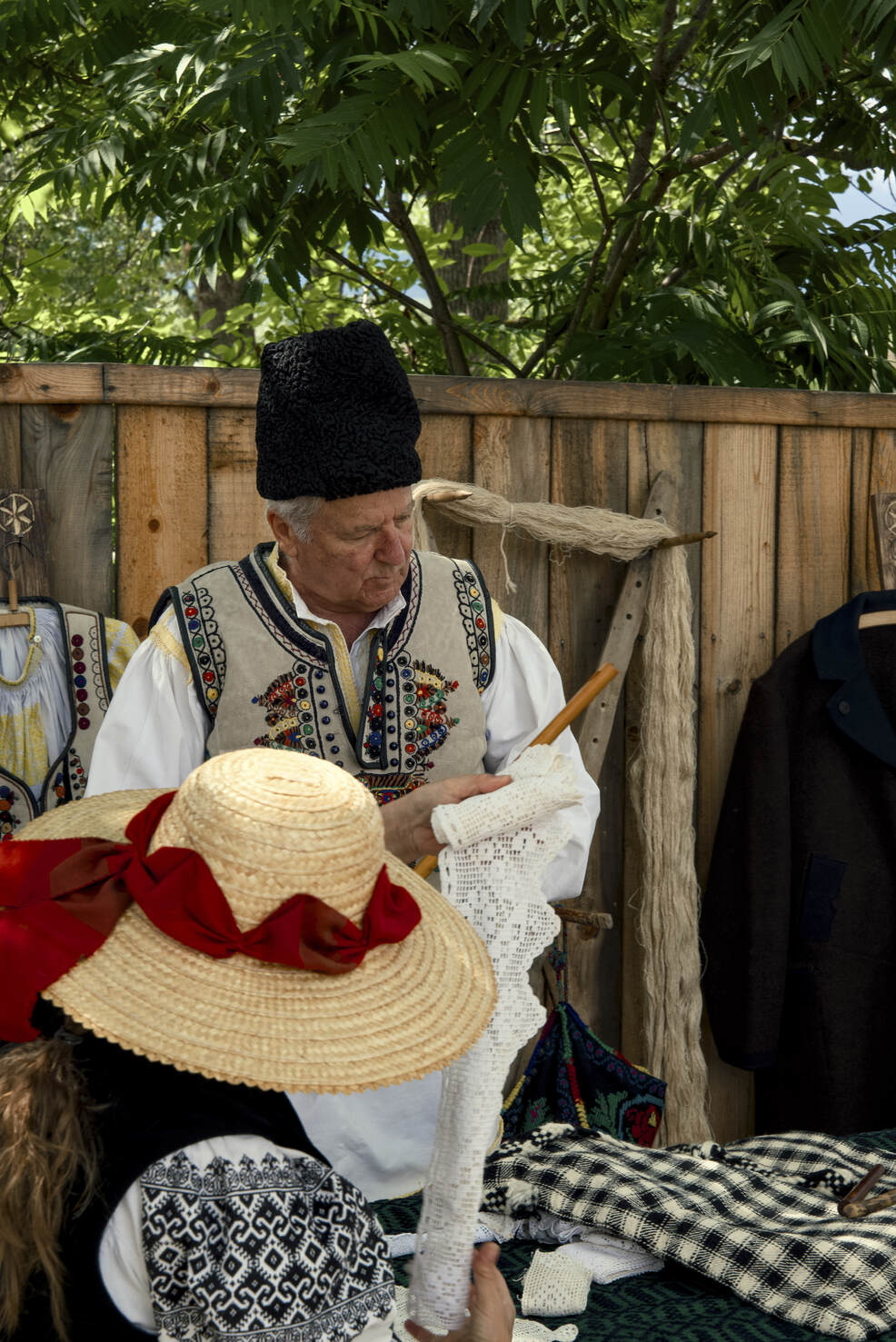
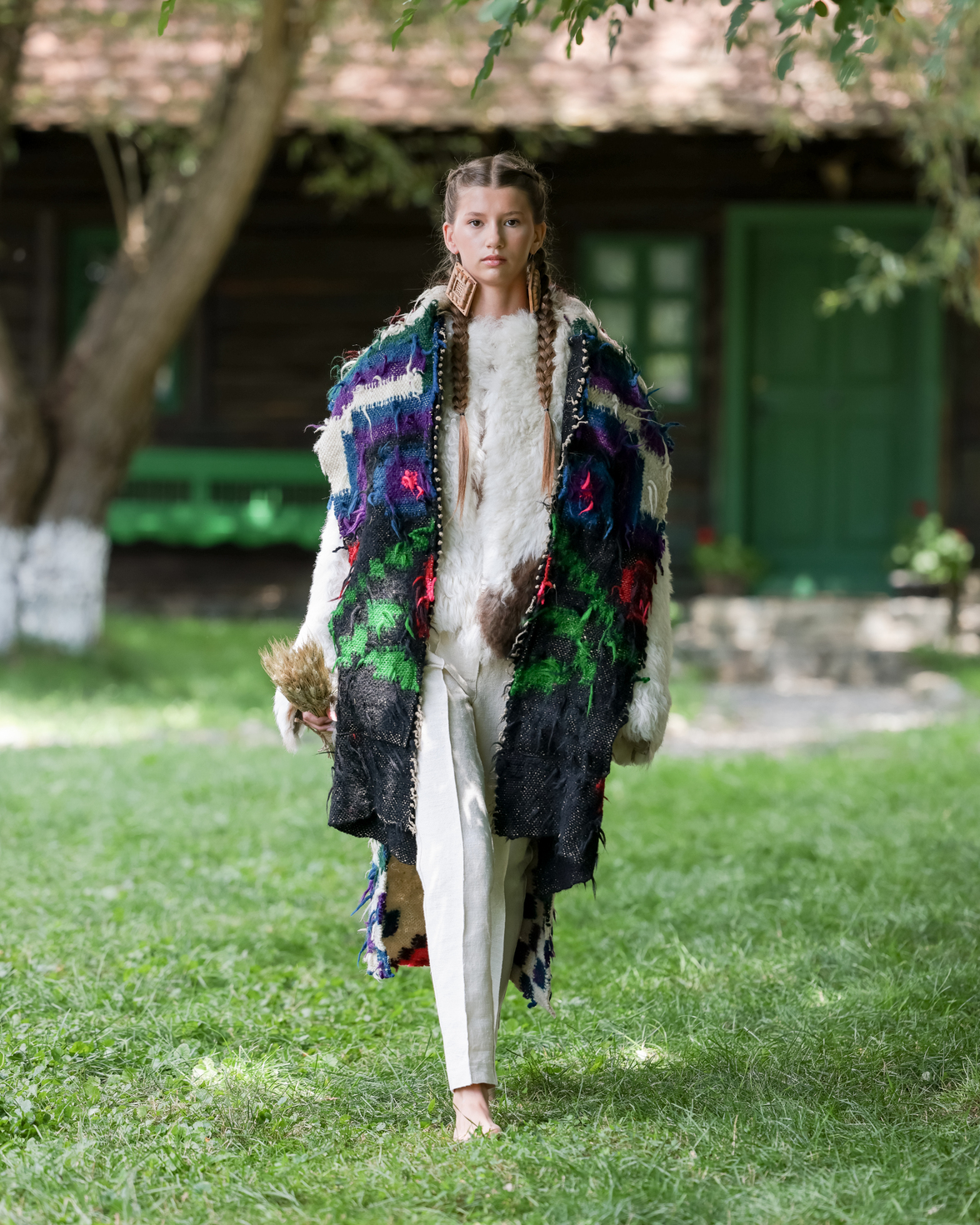
Feeric Fashion Week continued to promote cultural heritage as a source of inspiration for contemporary design. The project Artisanal Jopoi × Haide, held in Porumbacu de Sus, created a dialogue between textile traditions from Paraguay and Romania, showing that craftsmanship and cultural identity can build bridges between communities thousands of kilometers apart.
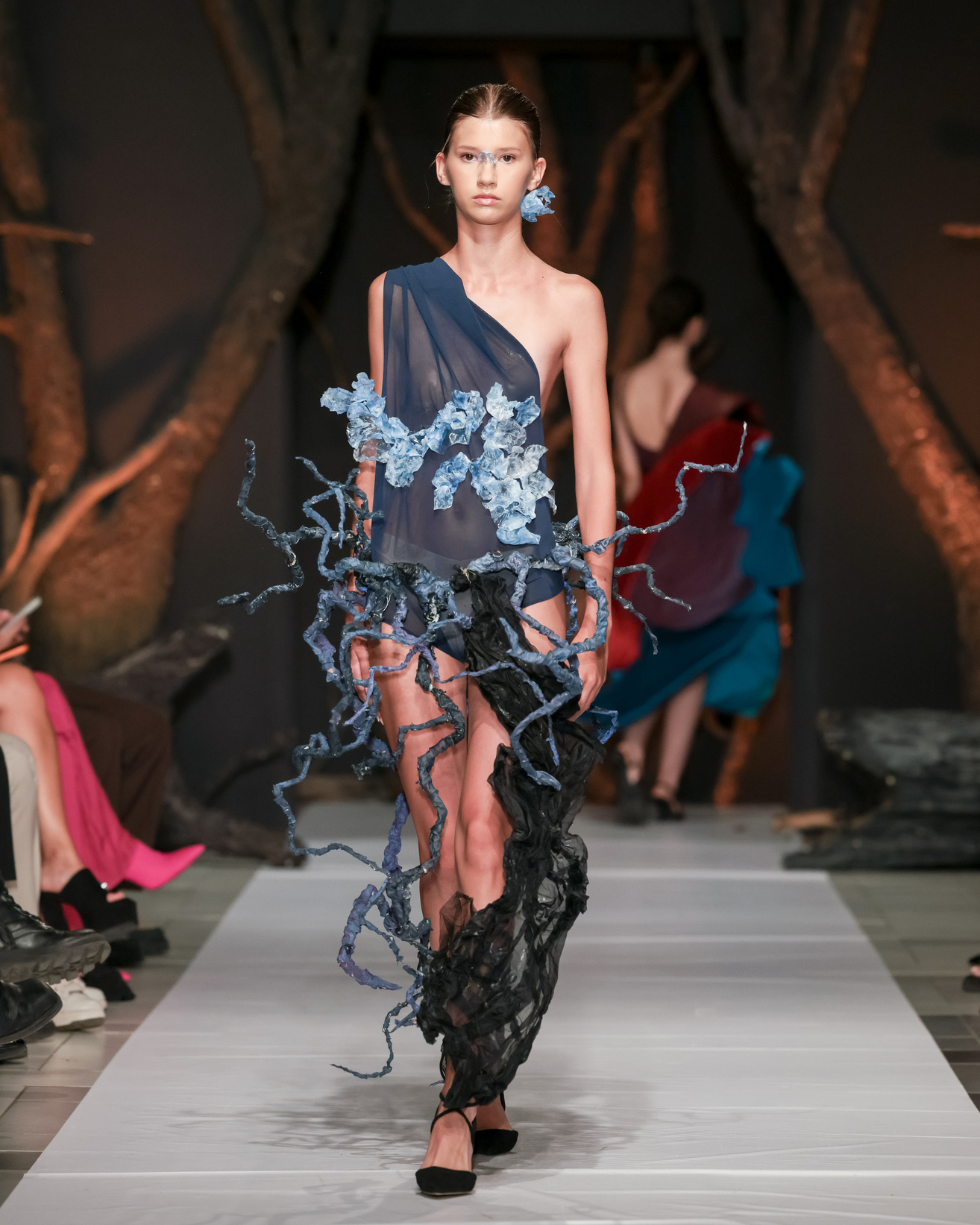
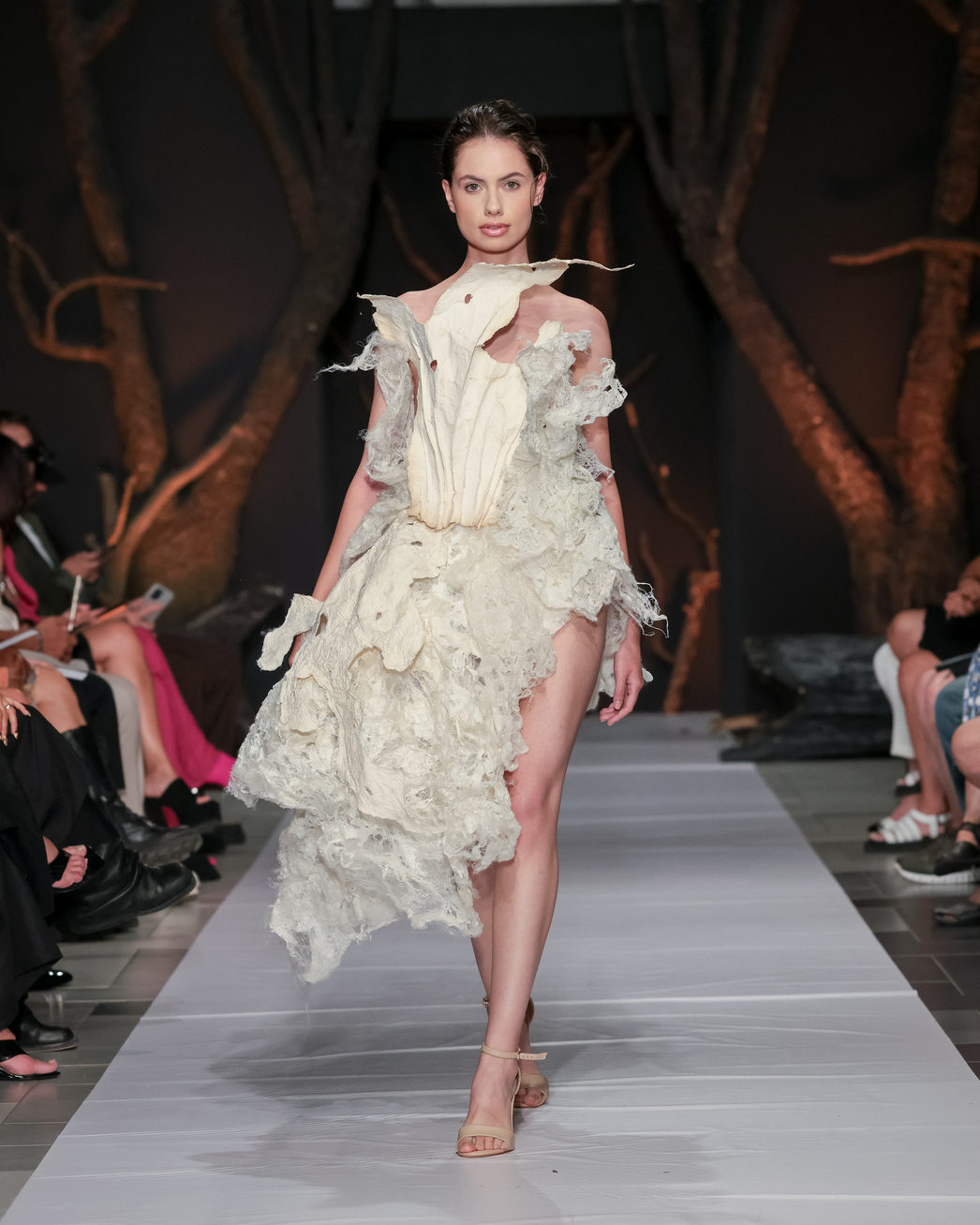
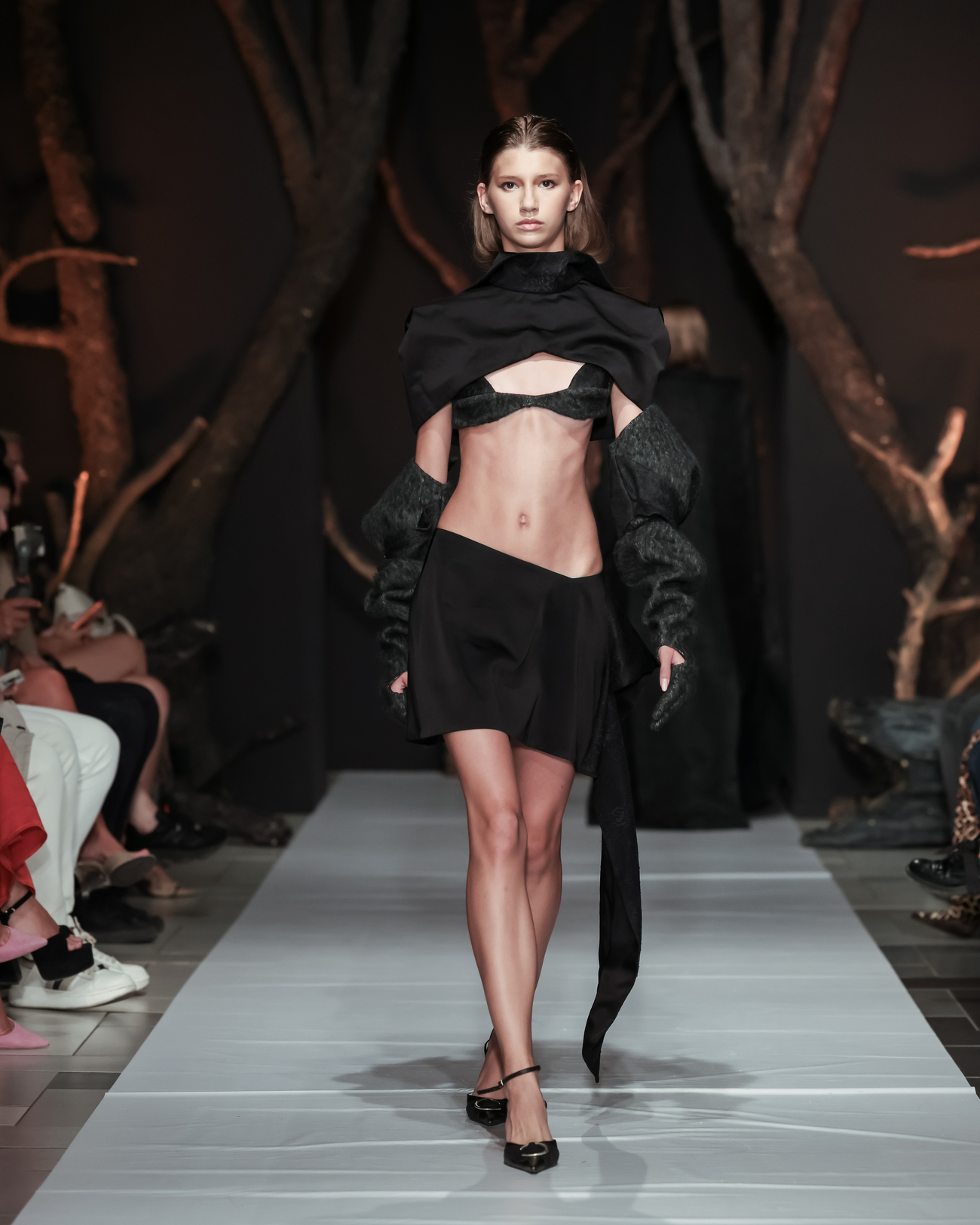
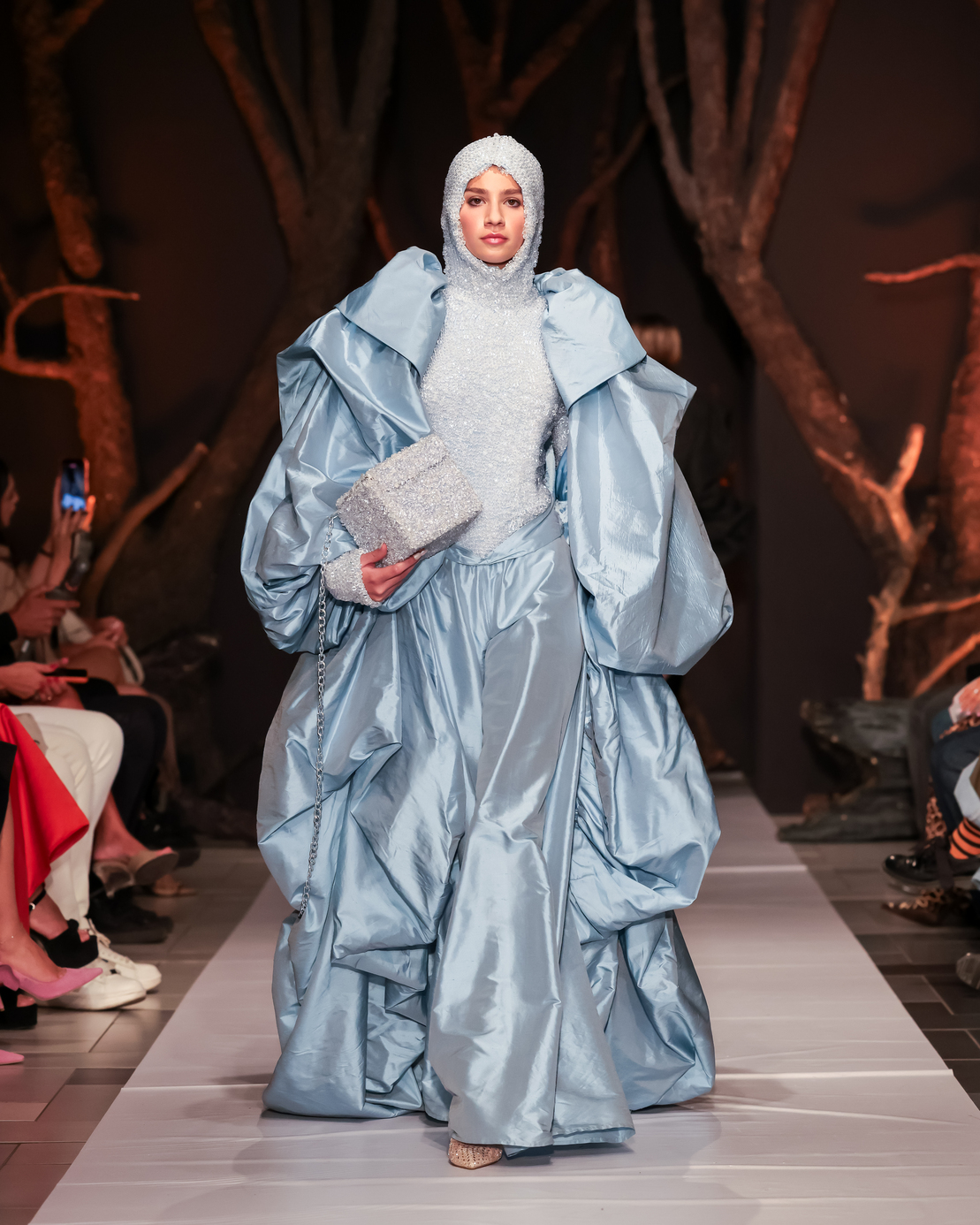
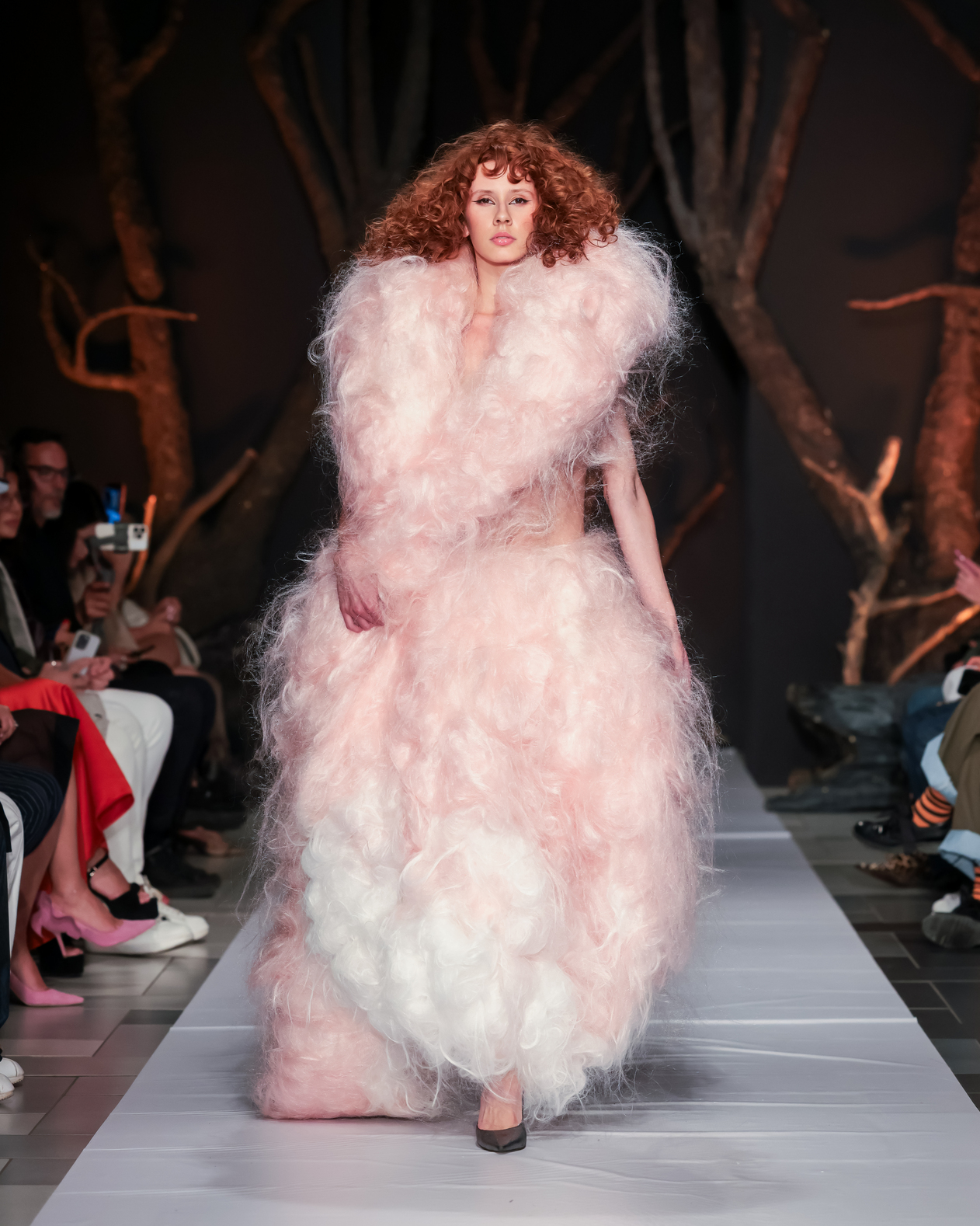
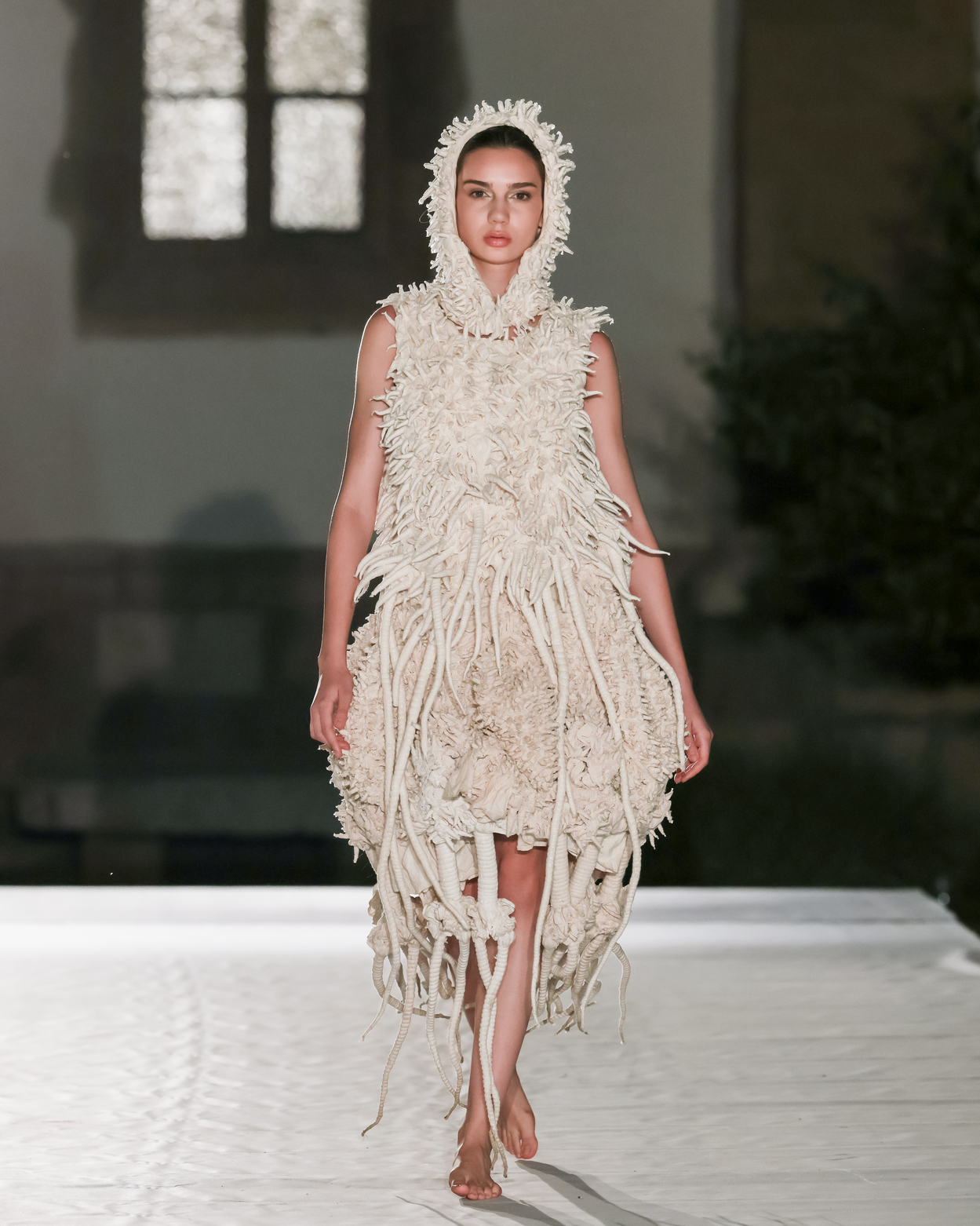
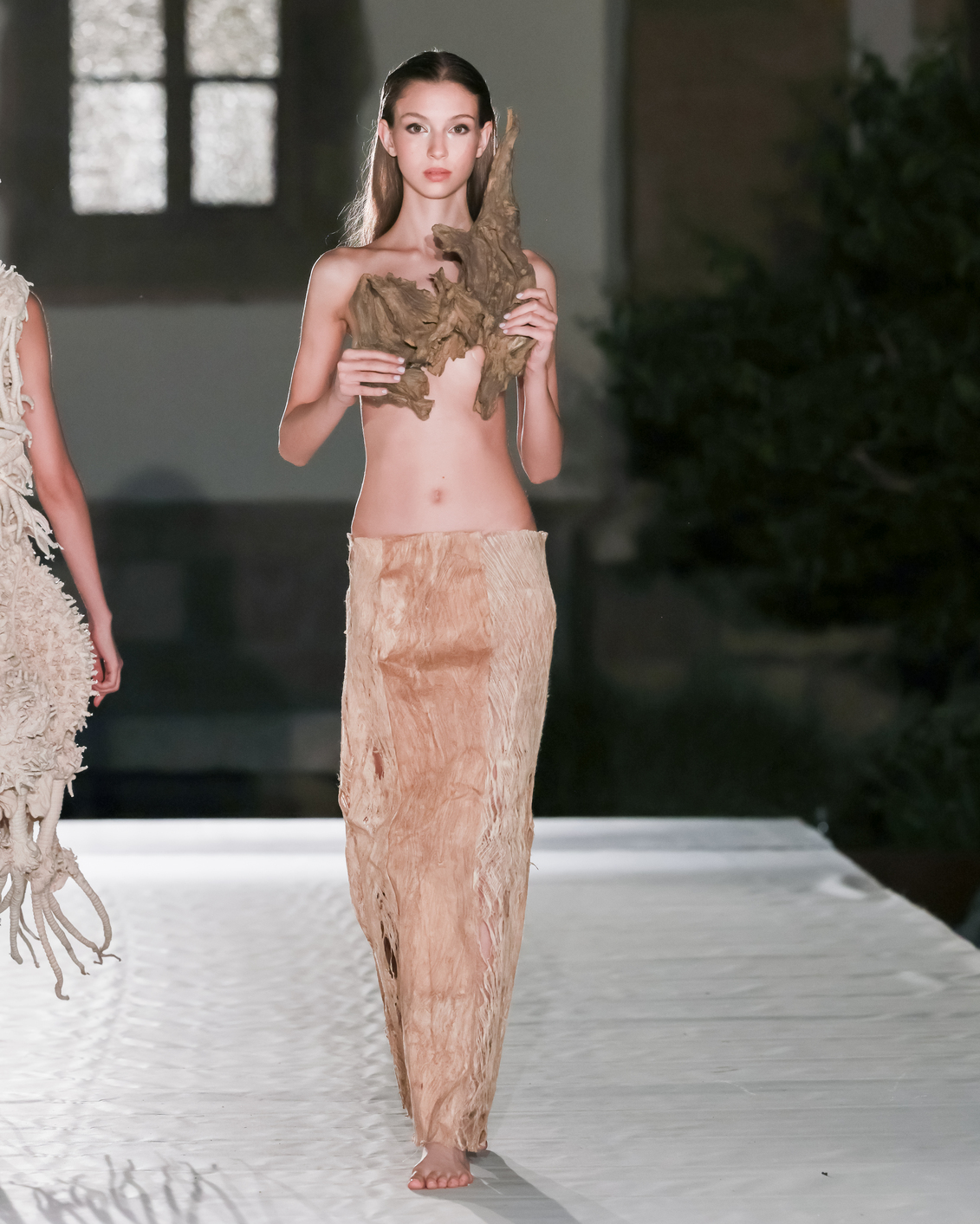
At the same time, the individual collections addressed current themes such as sustainability, resilience and the relationship between humans and nature. Chinese designer Yulu Xia highlighted the cultural heritage of Yunnan Province and the use of innovative biomaterials, while Rita Sarkis, through the collection Raffiné, built a discourse on adaptability, elegance and self-confidence. The collection Mild Power explored the emotion of giving, transforming packaging elements into a contemporary fashion language.
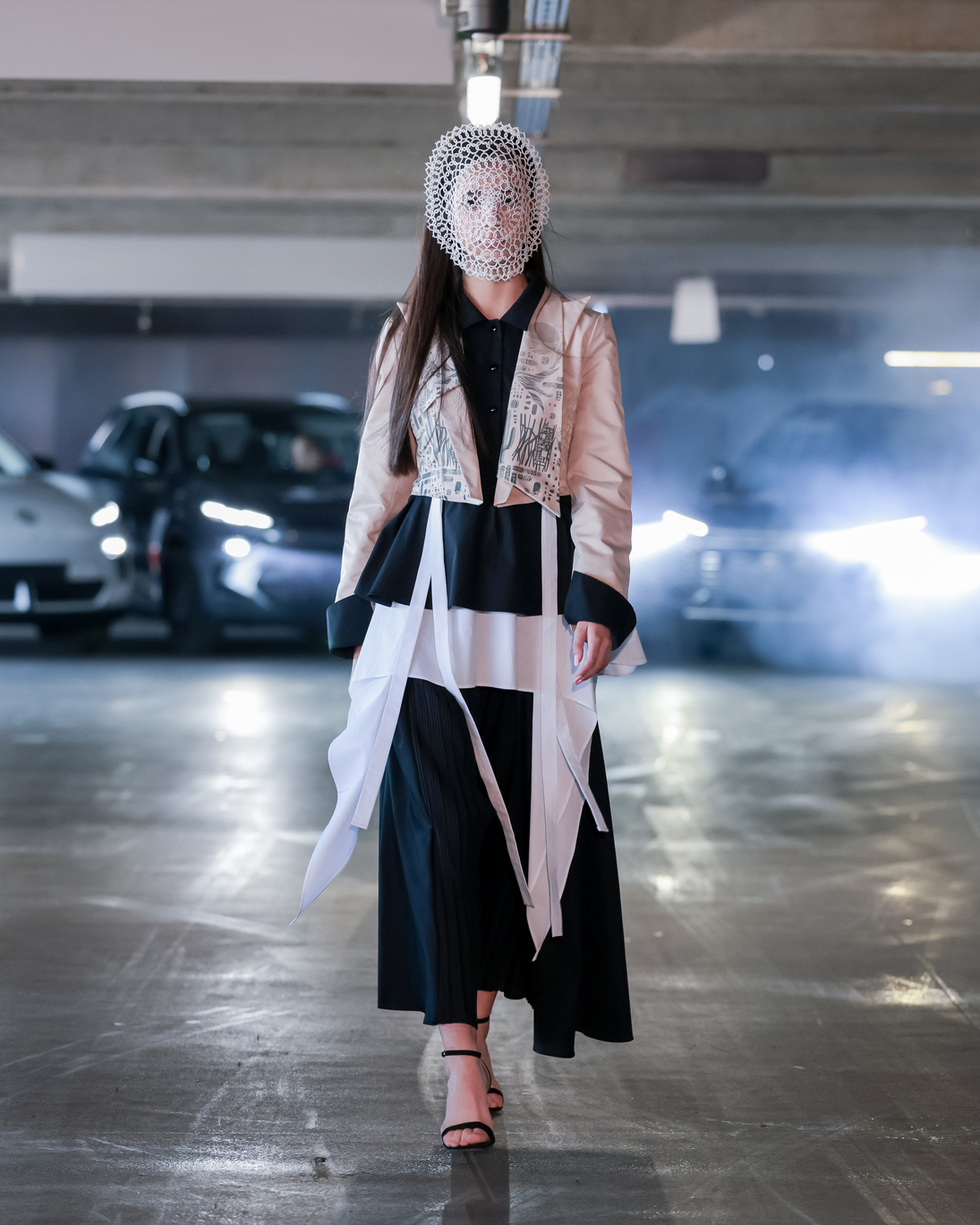
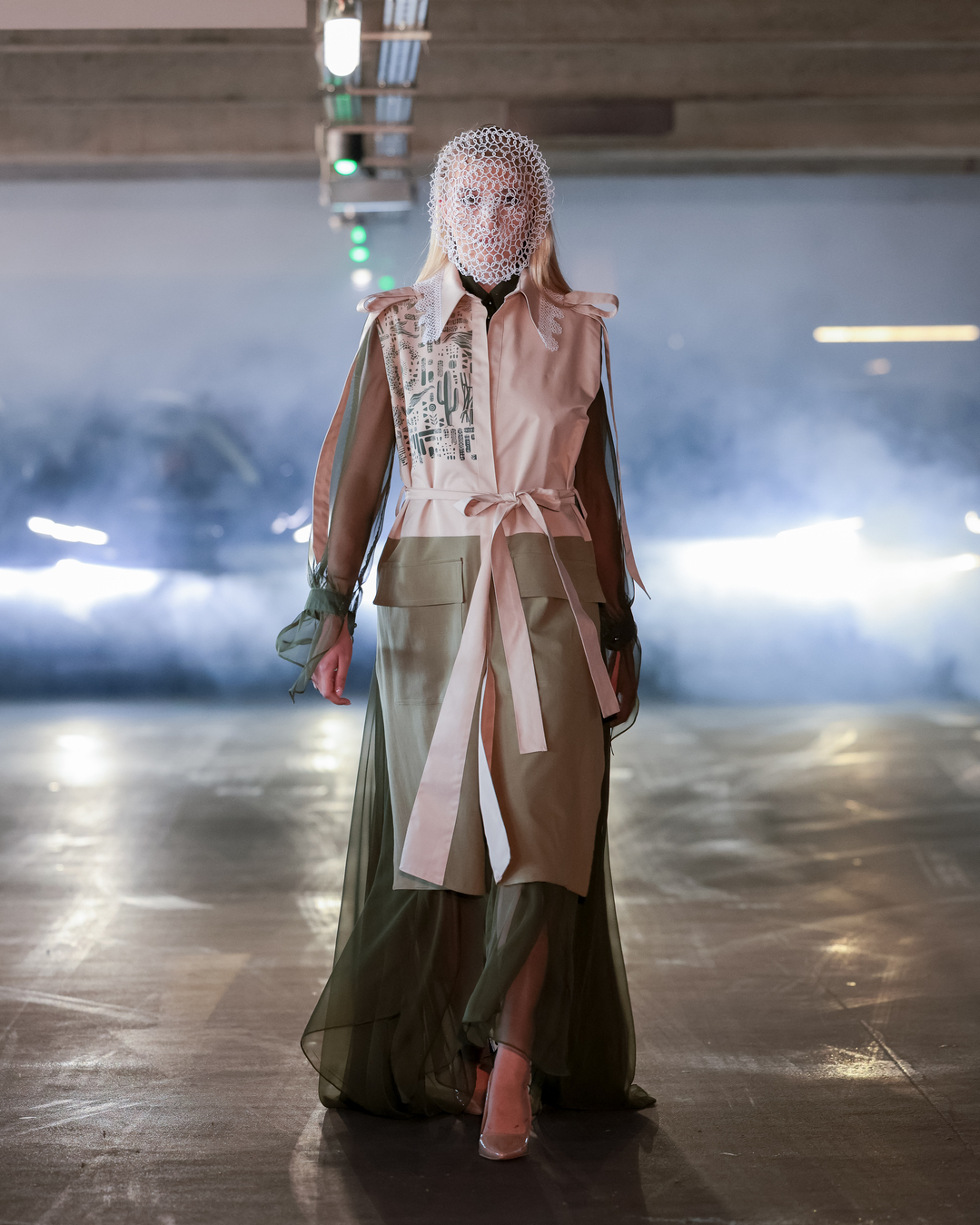
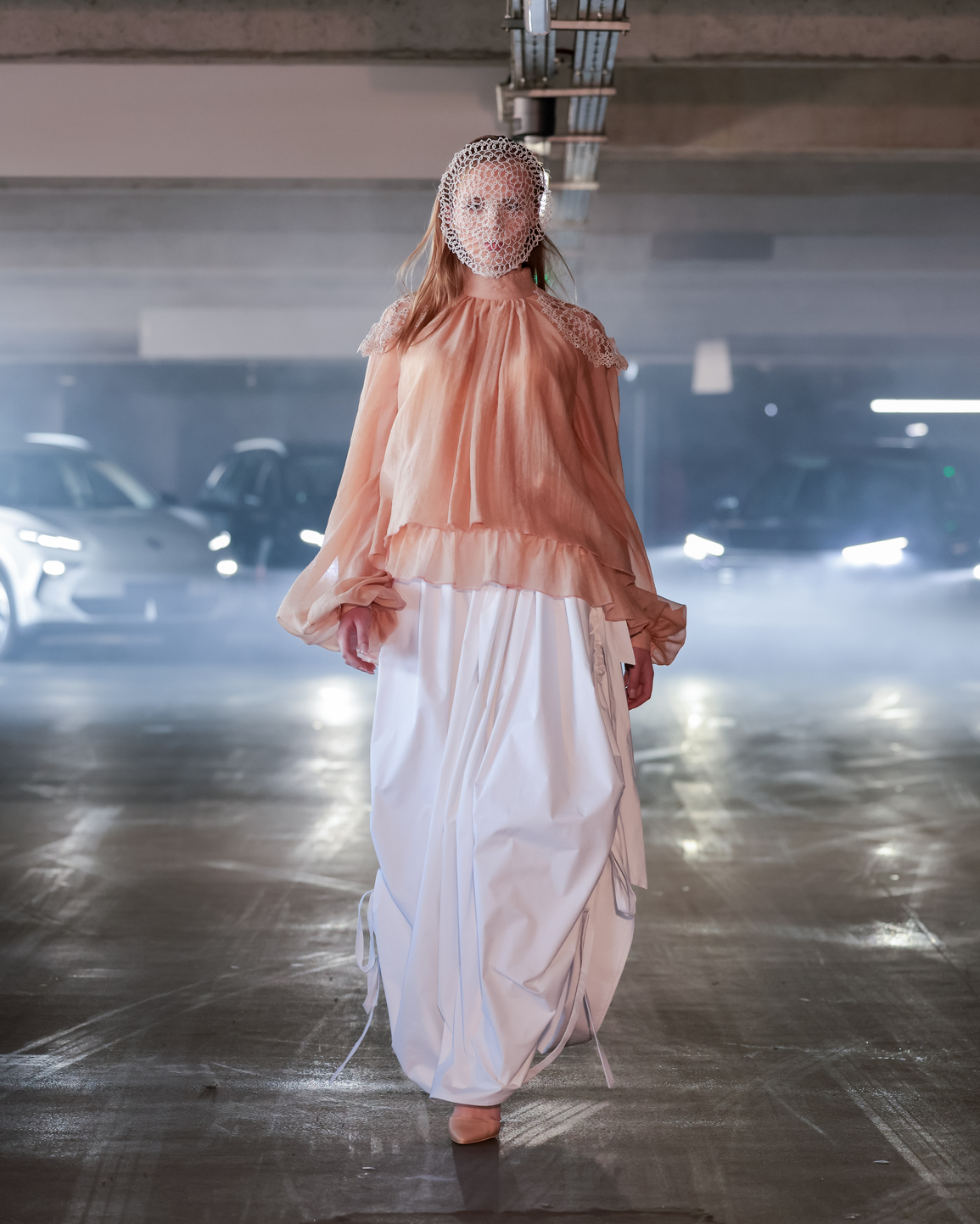
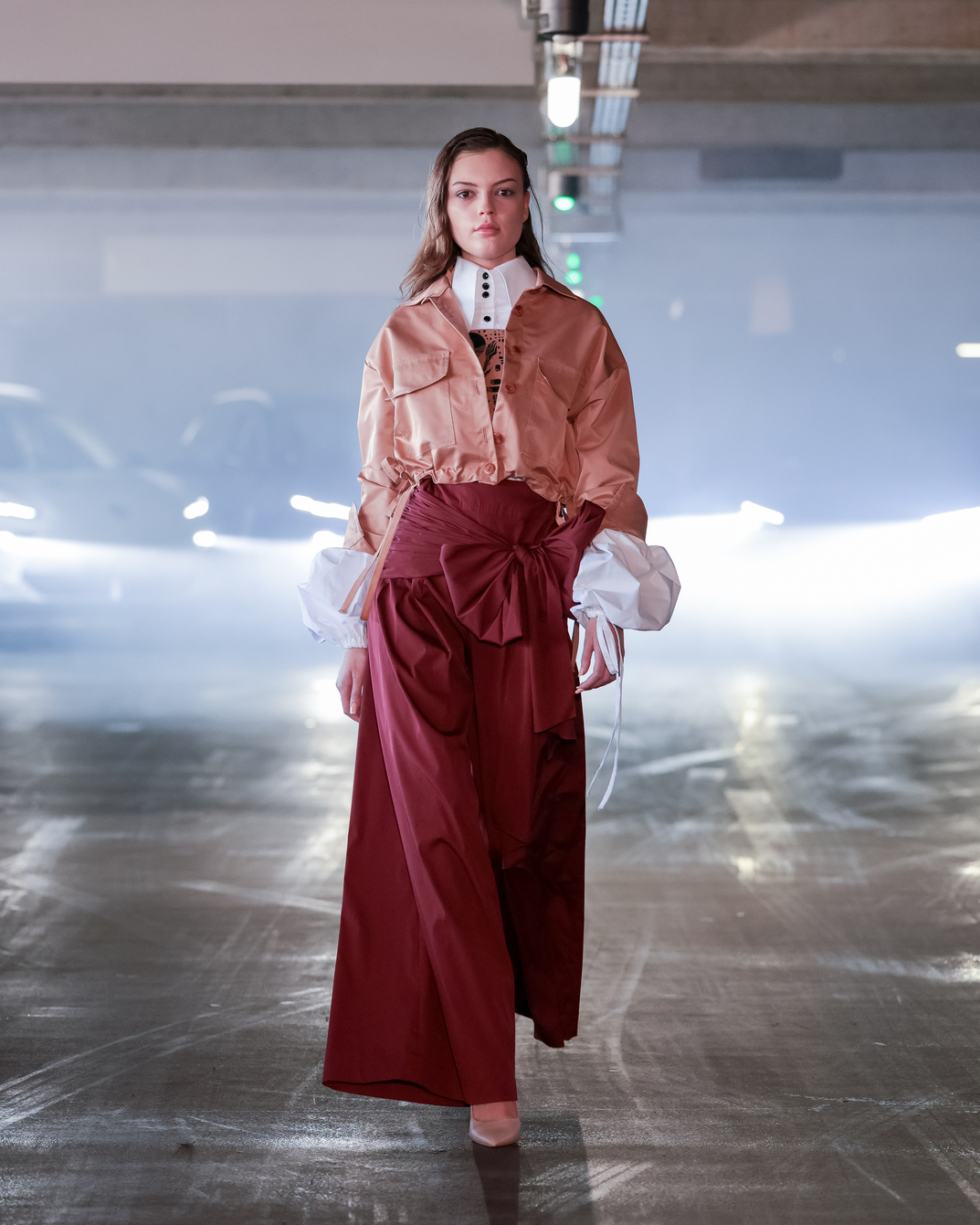
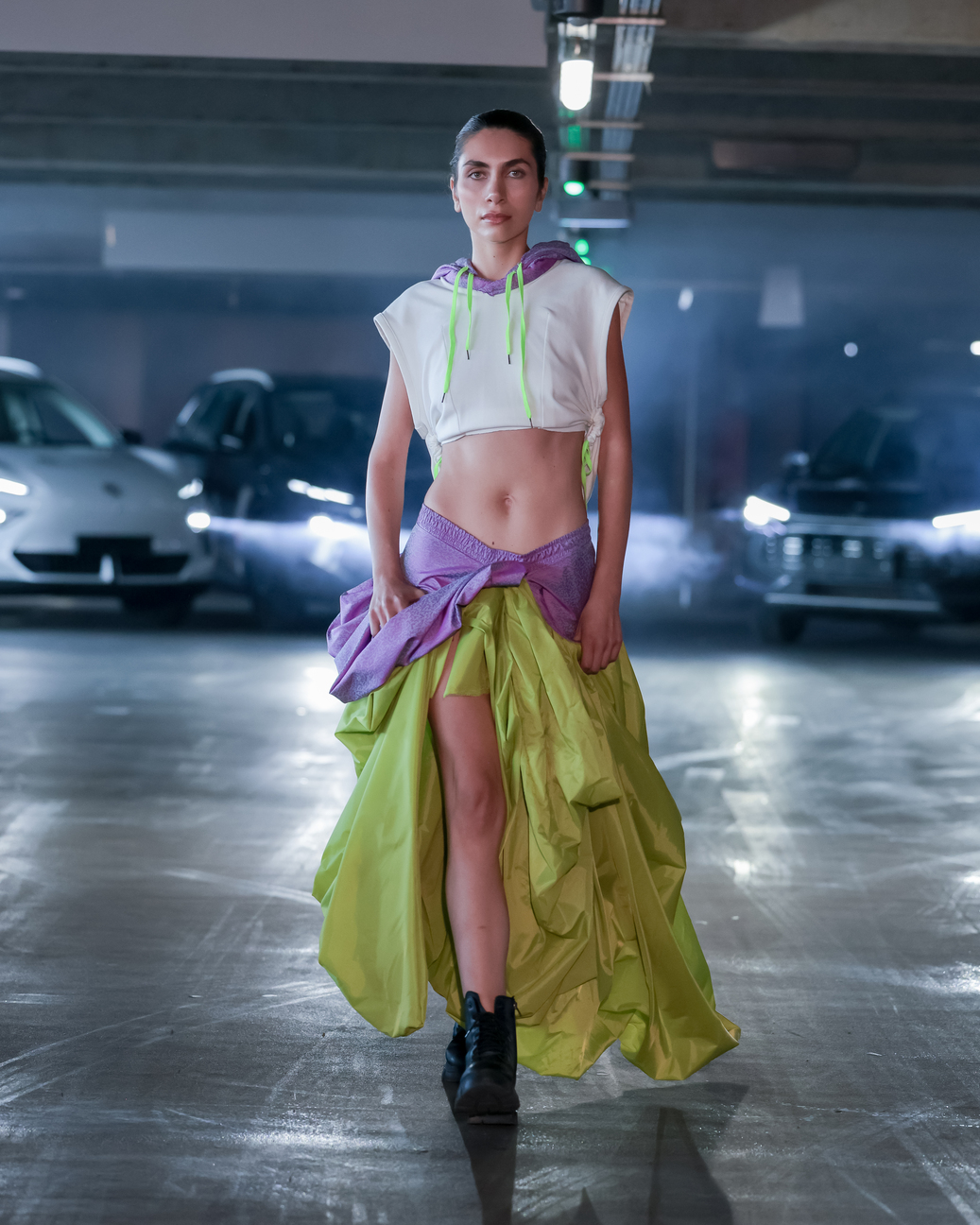
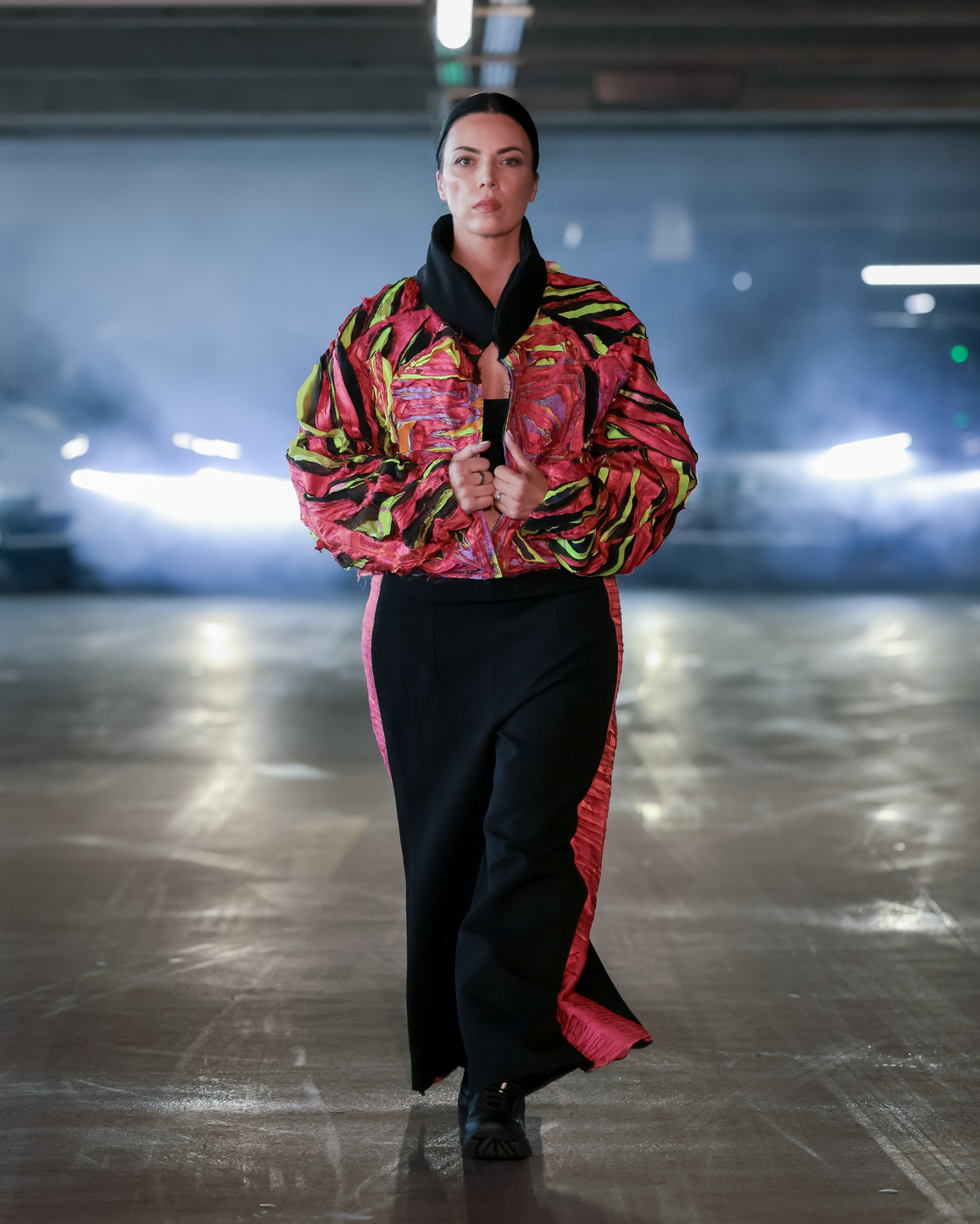
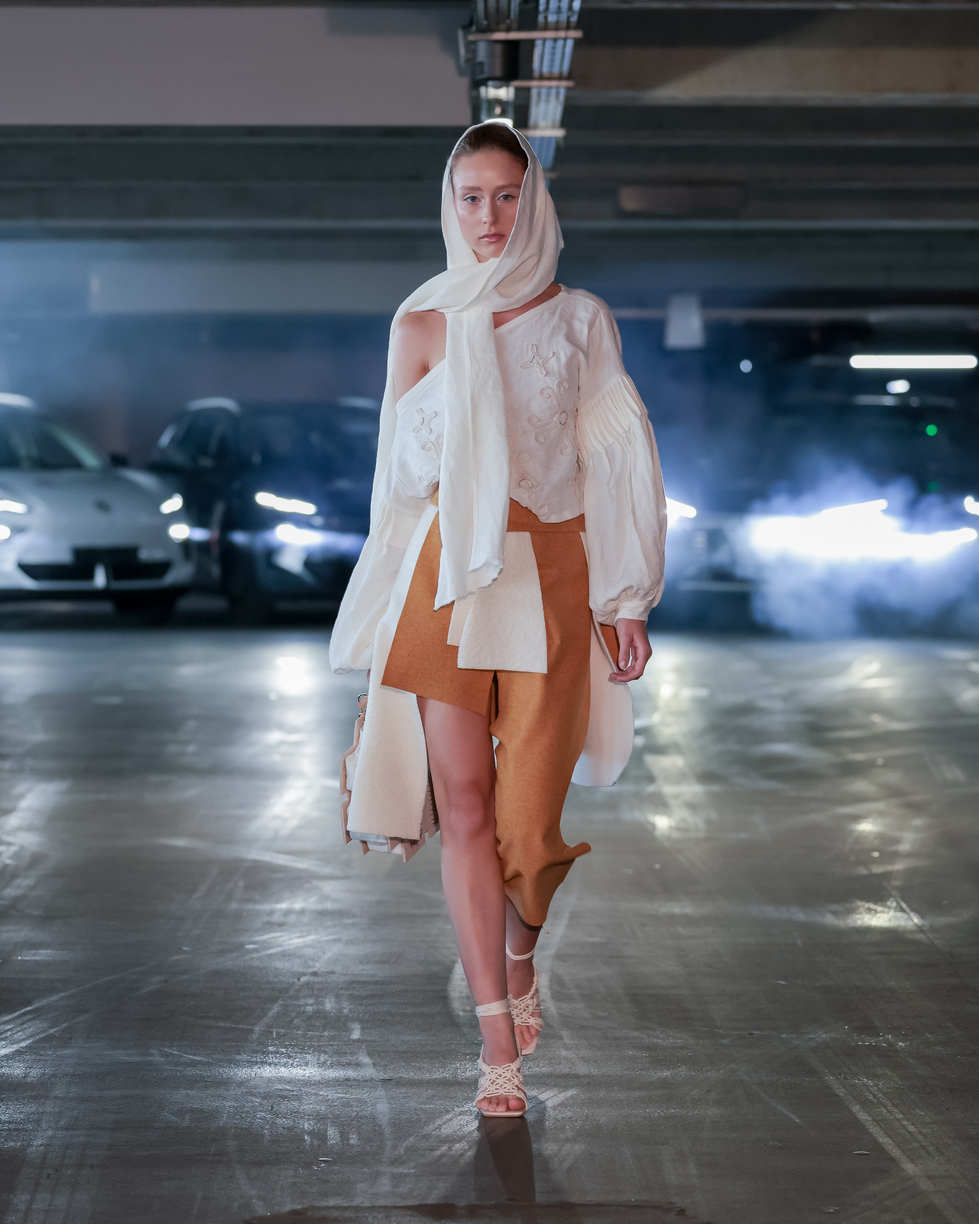
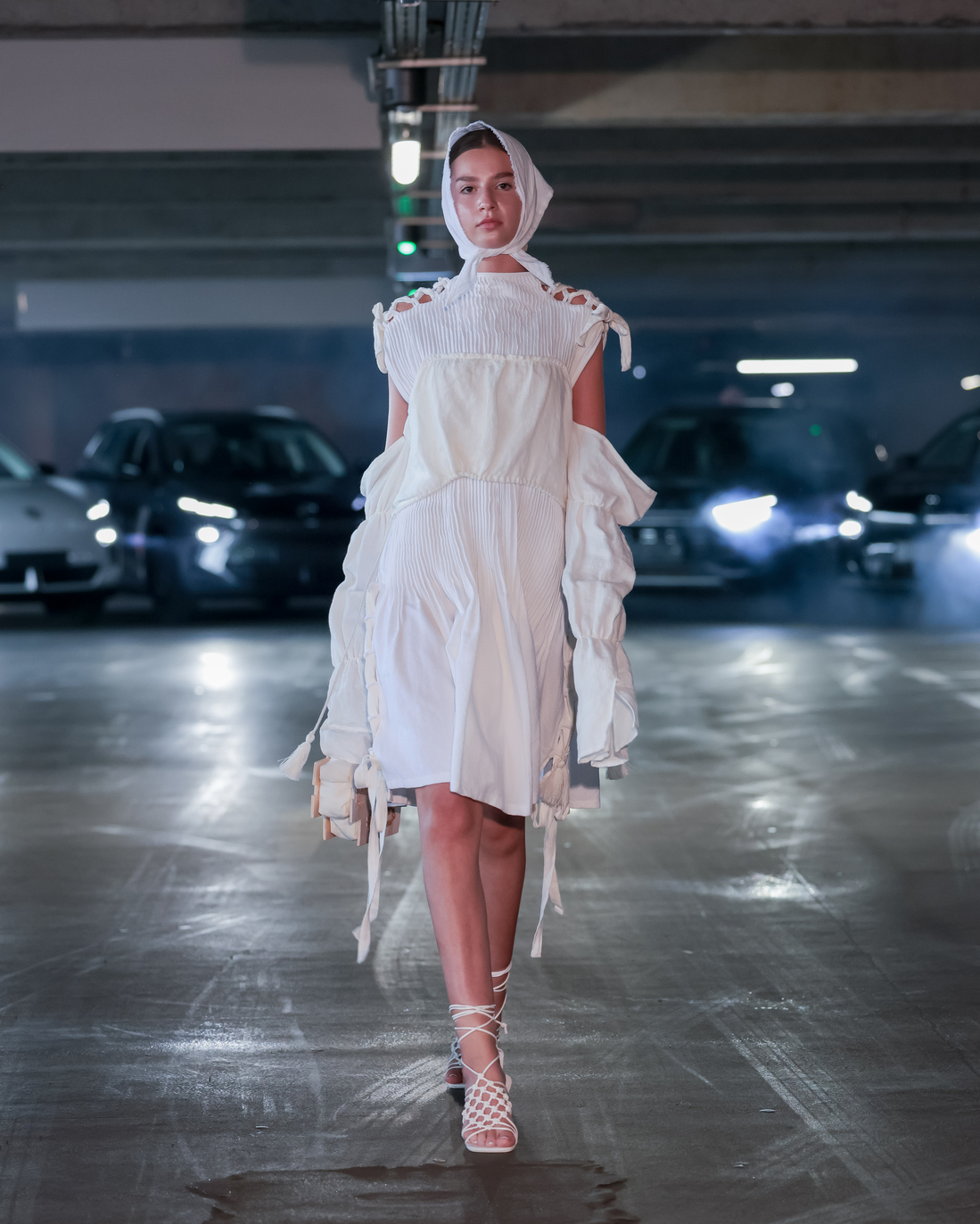
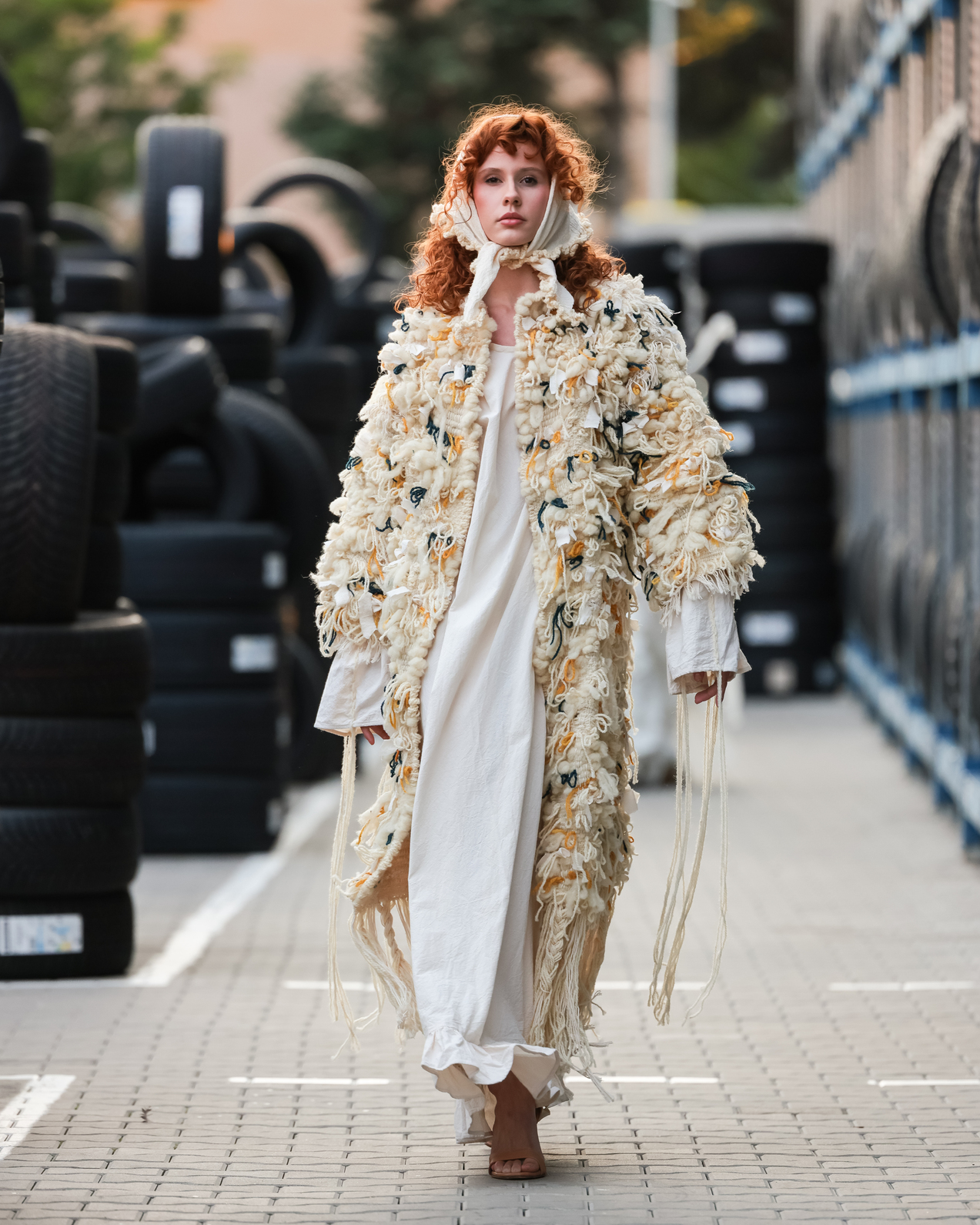
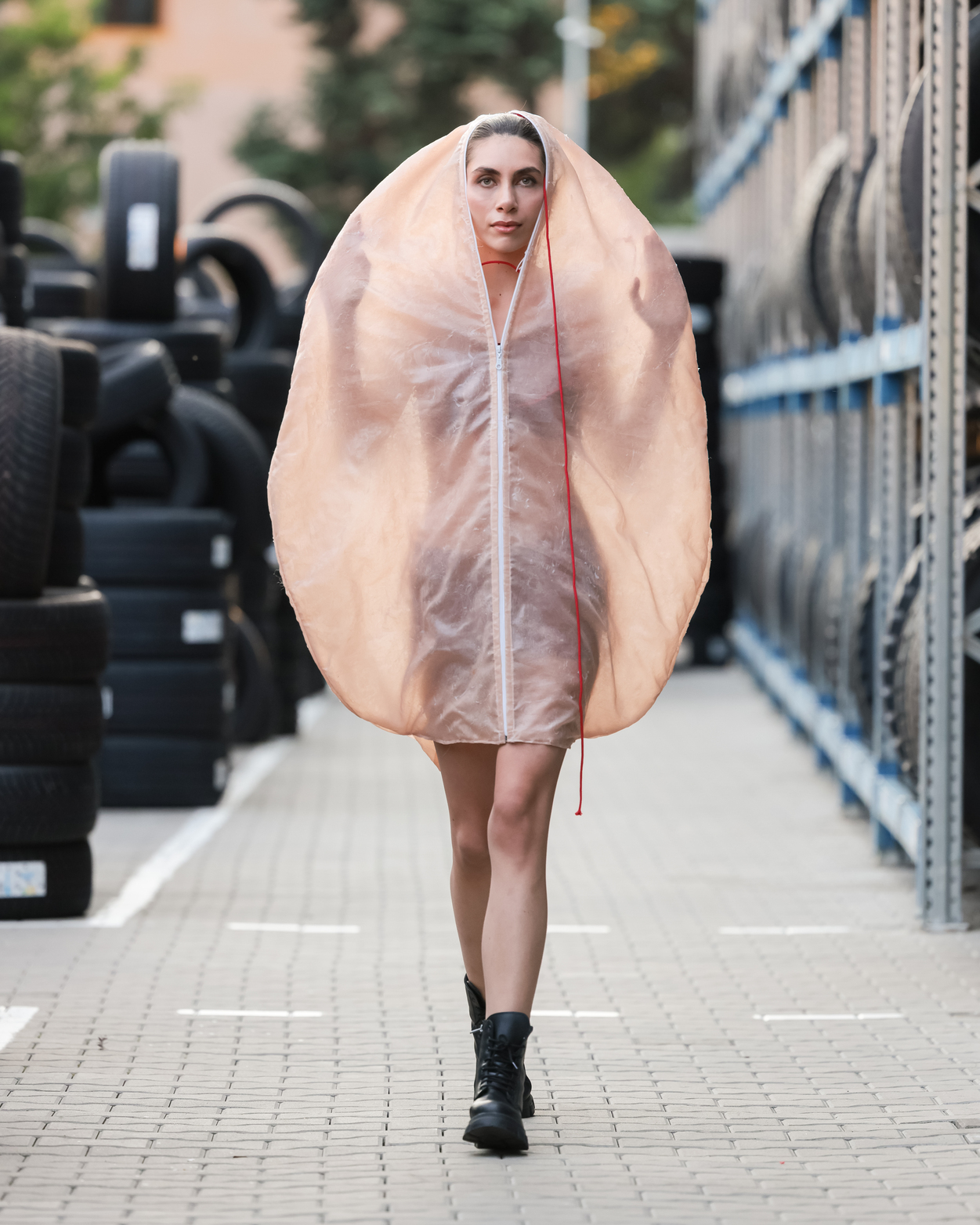
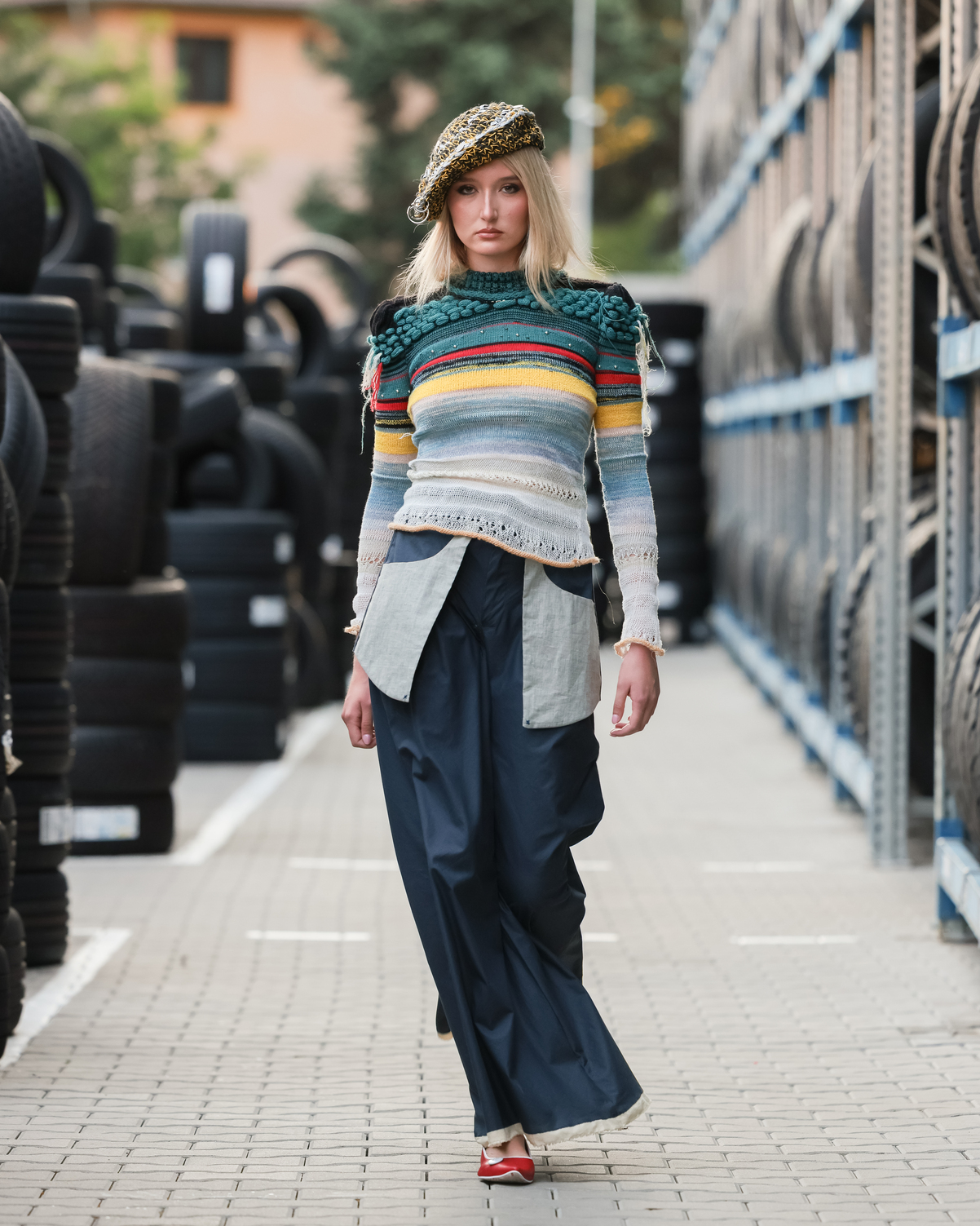
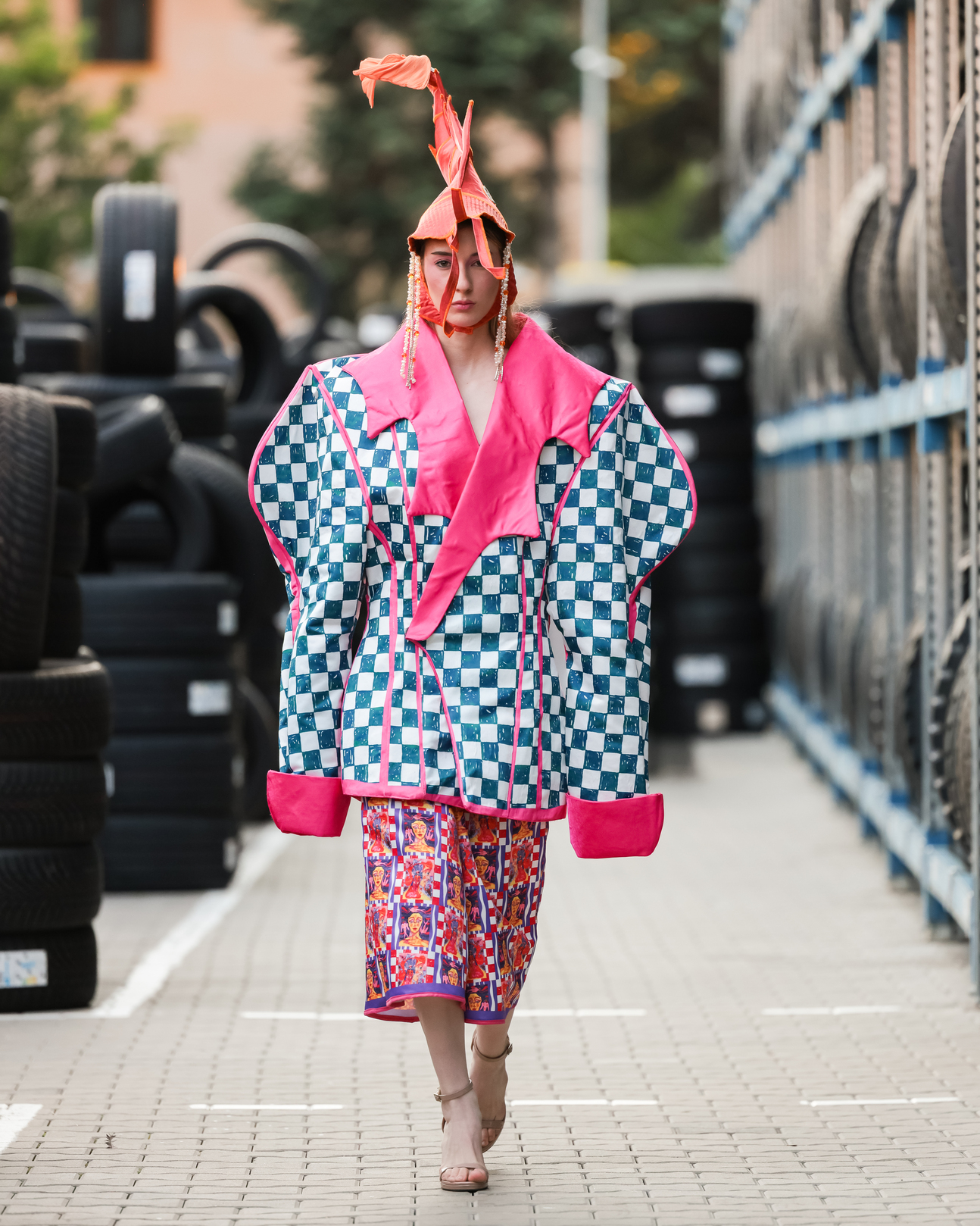
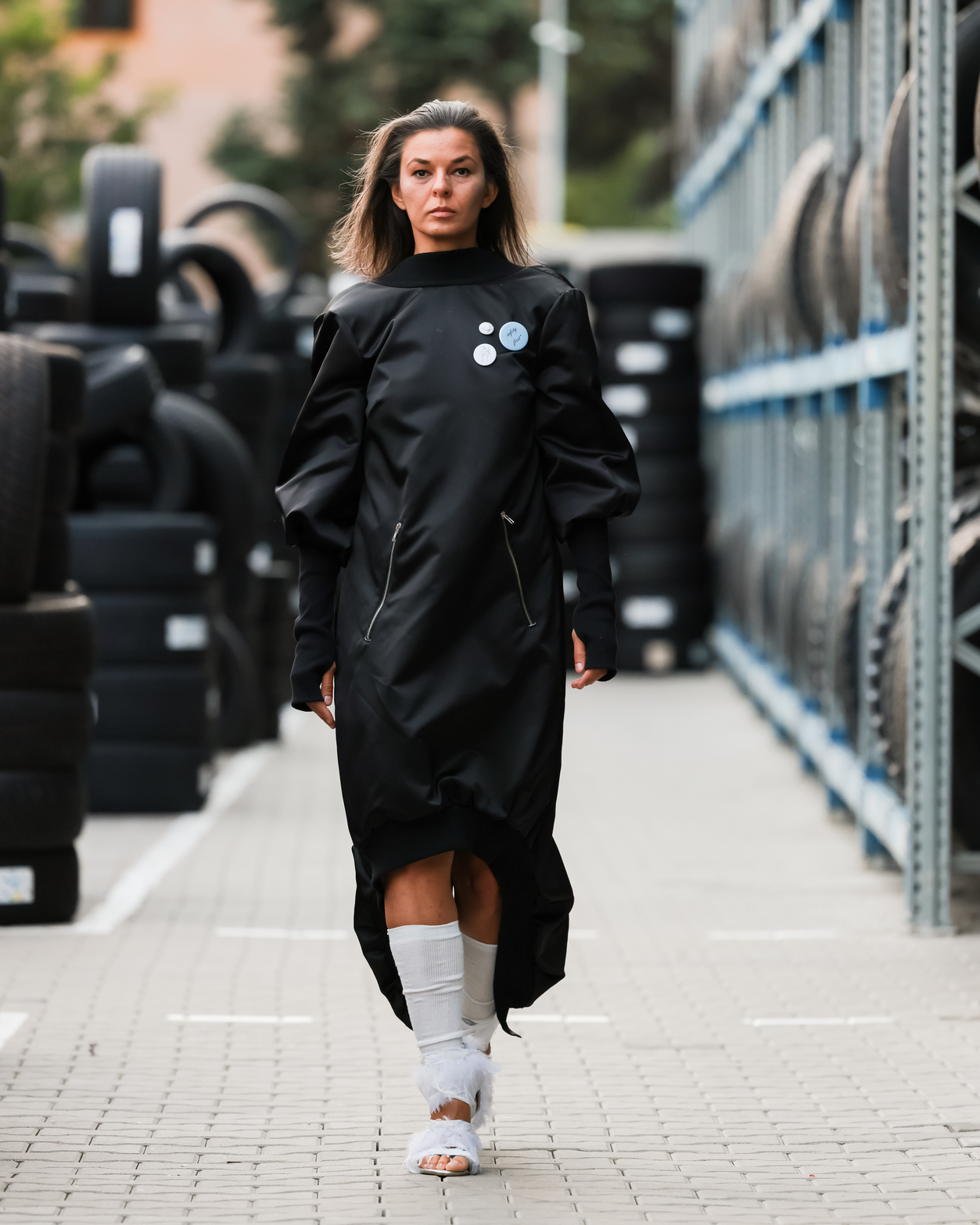
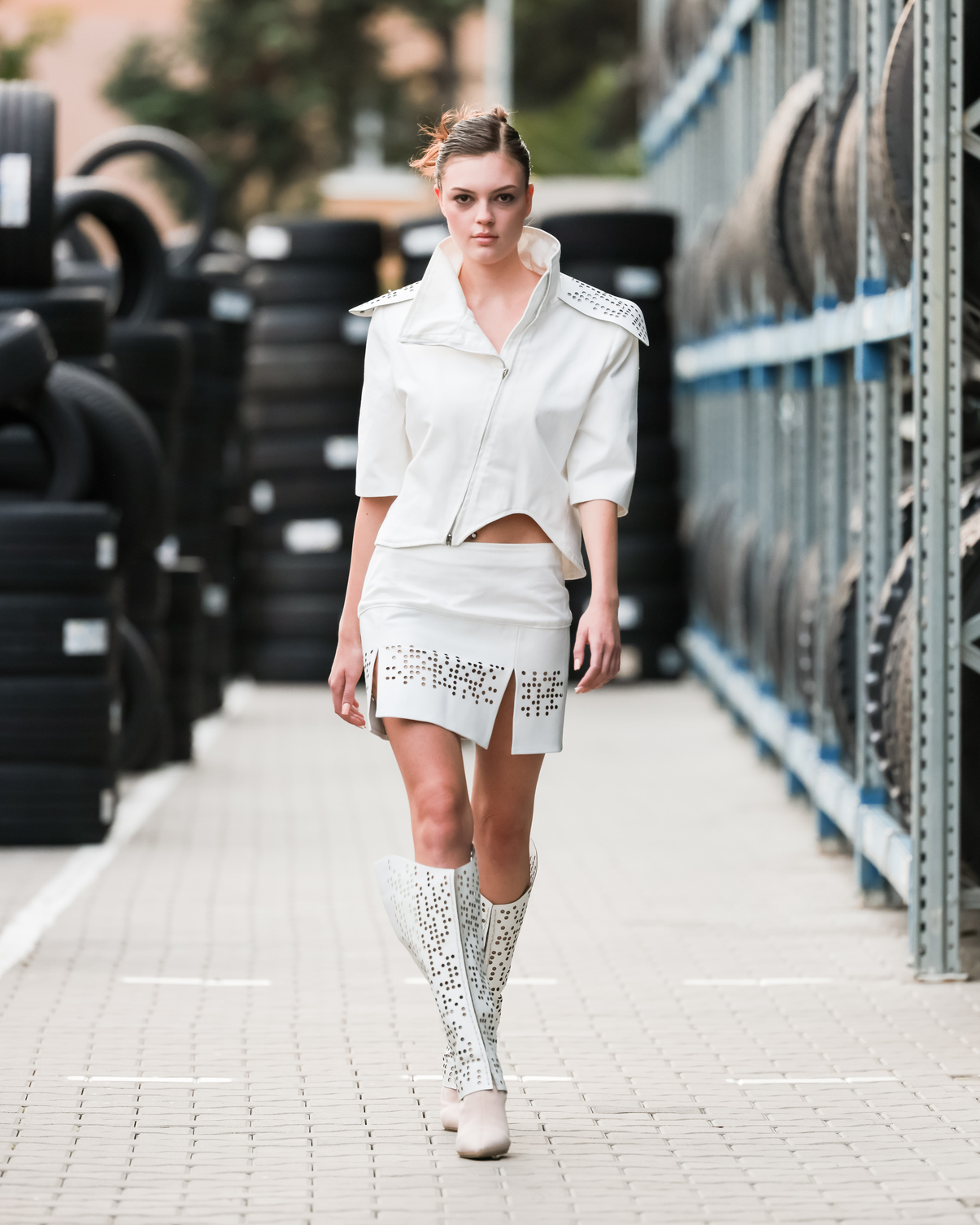
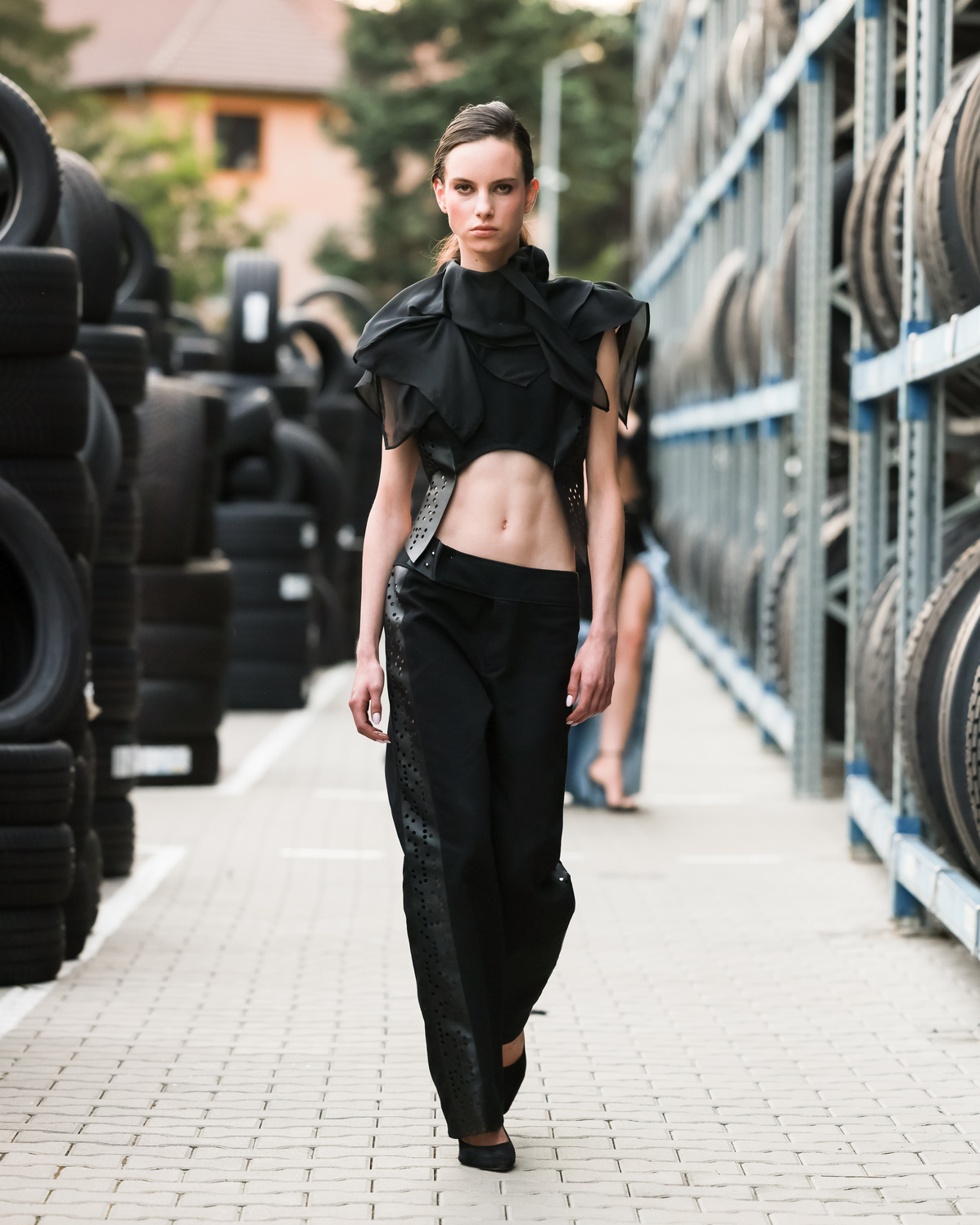
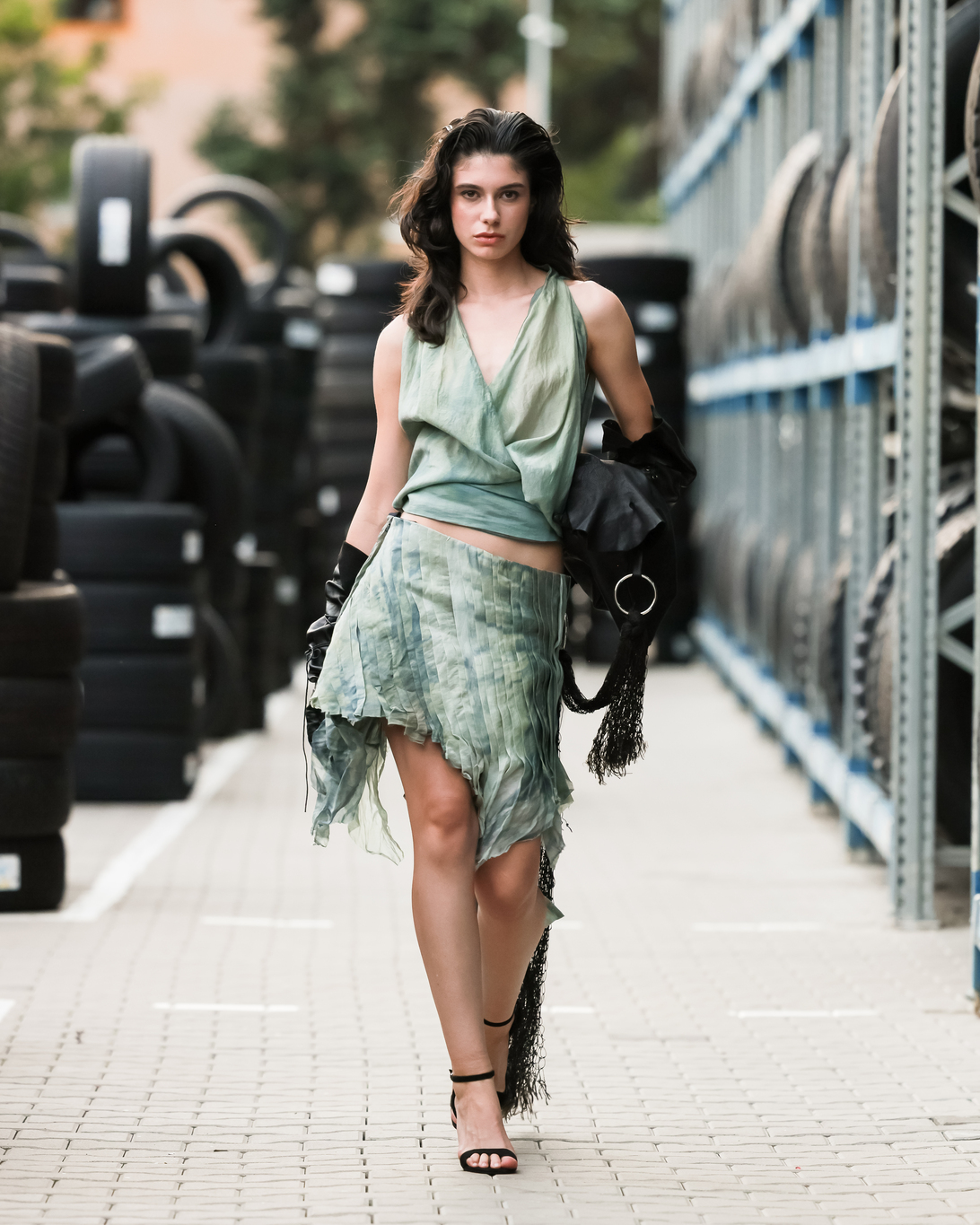
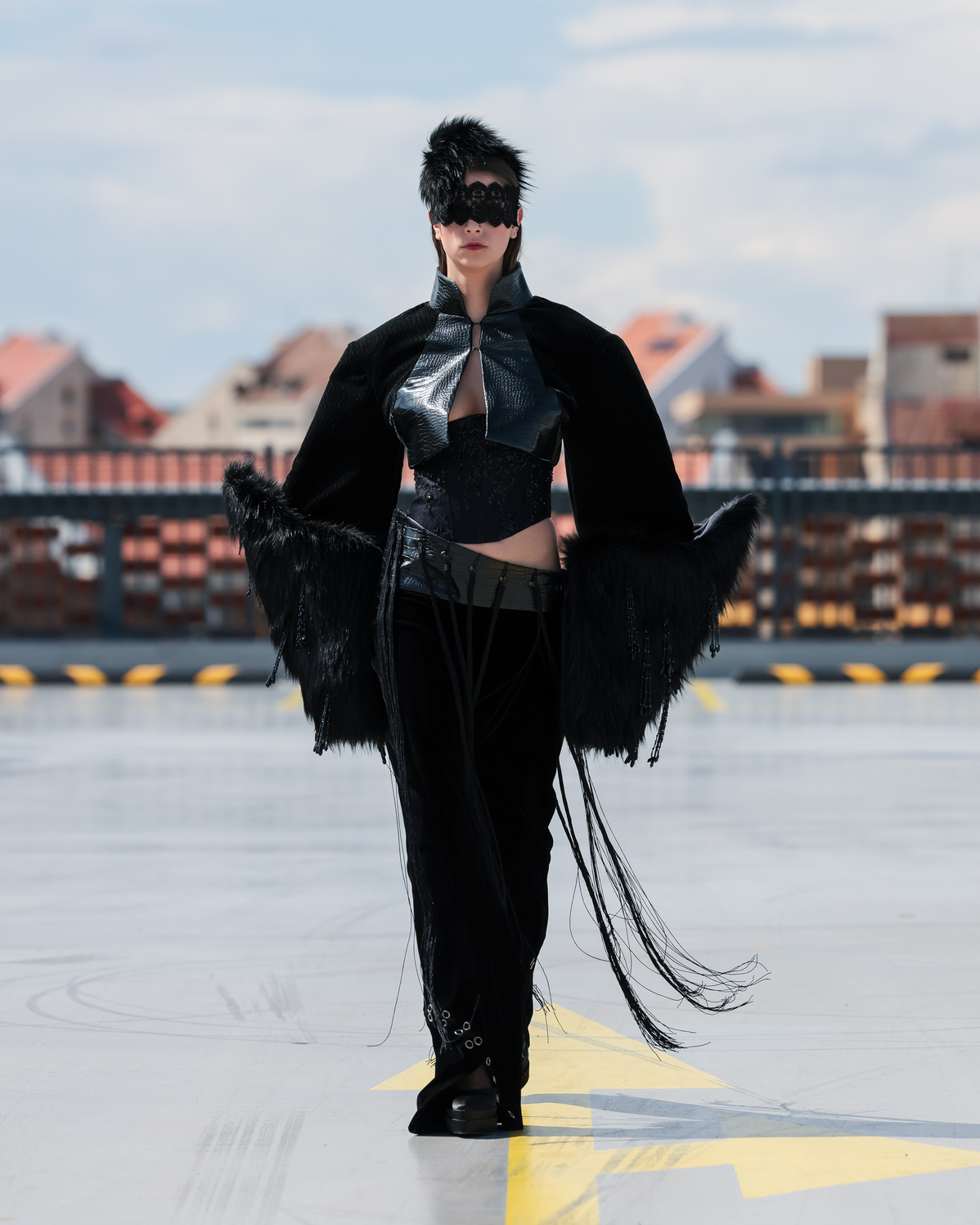
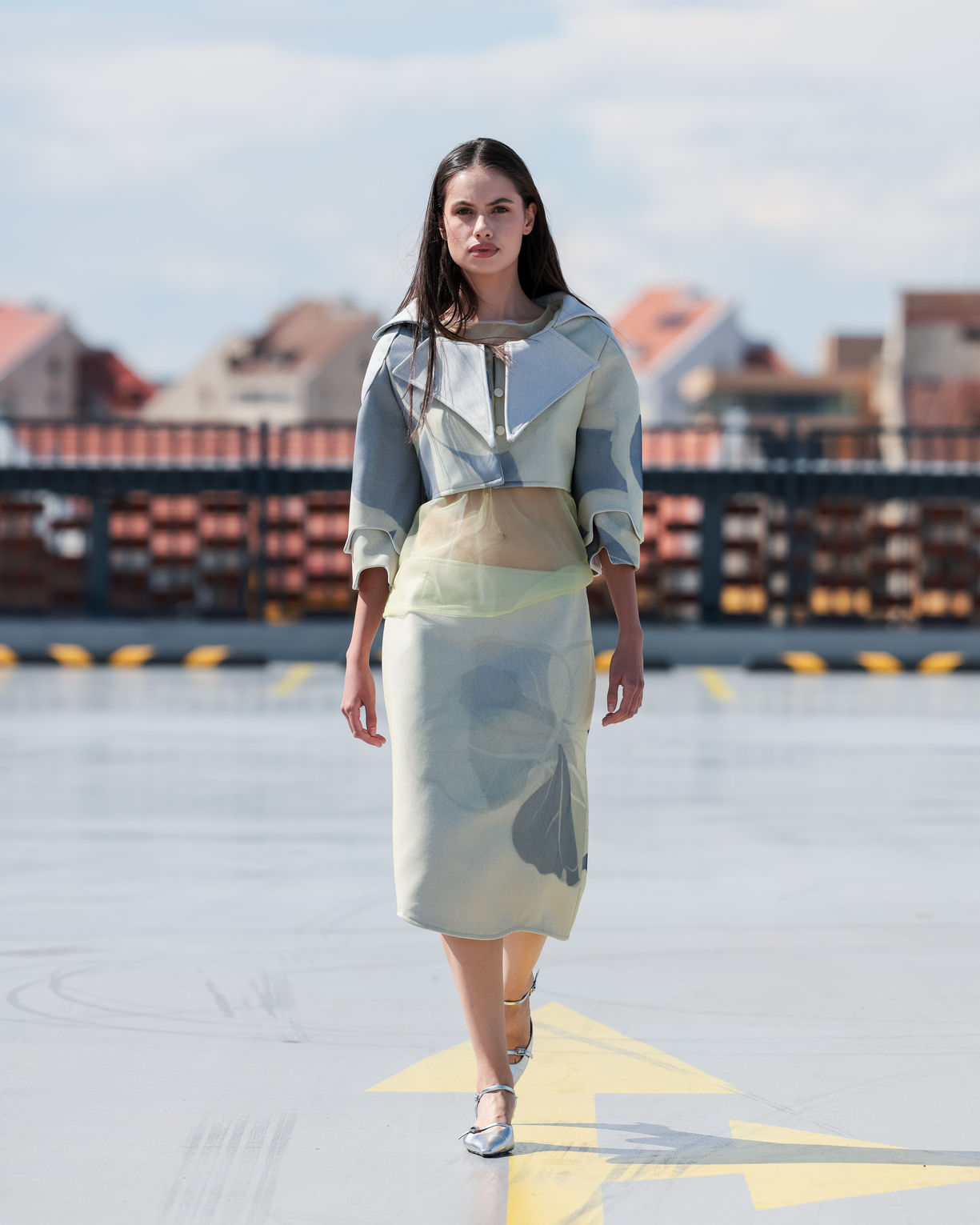
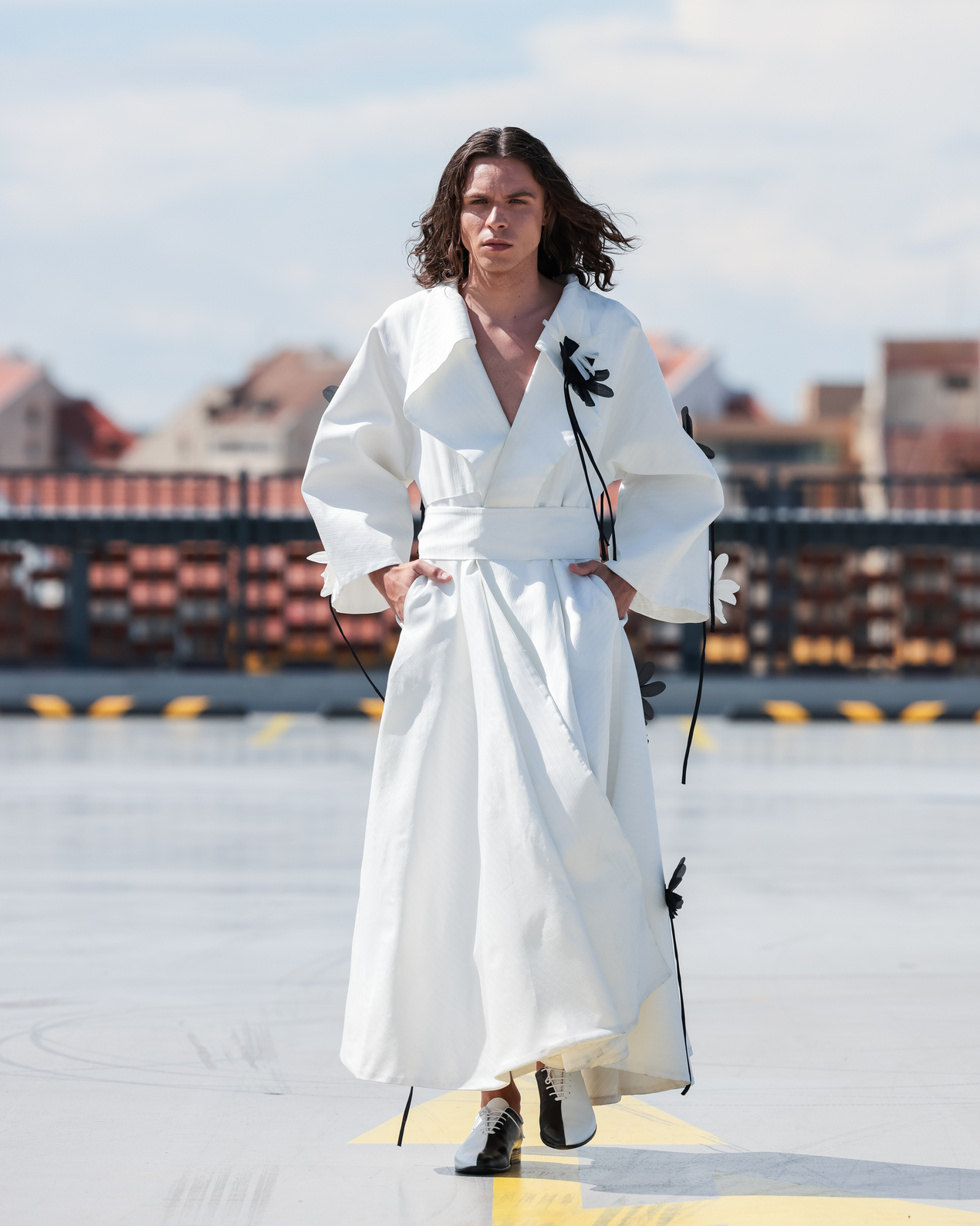
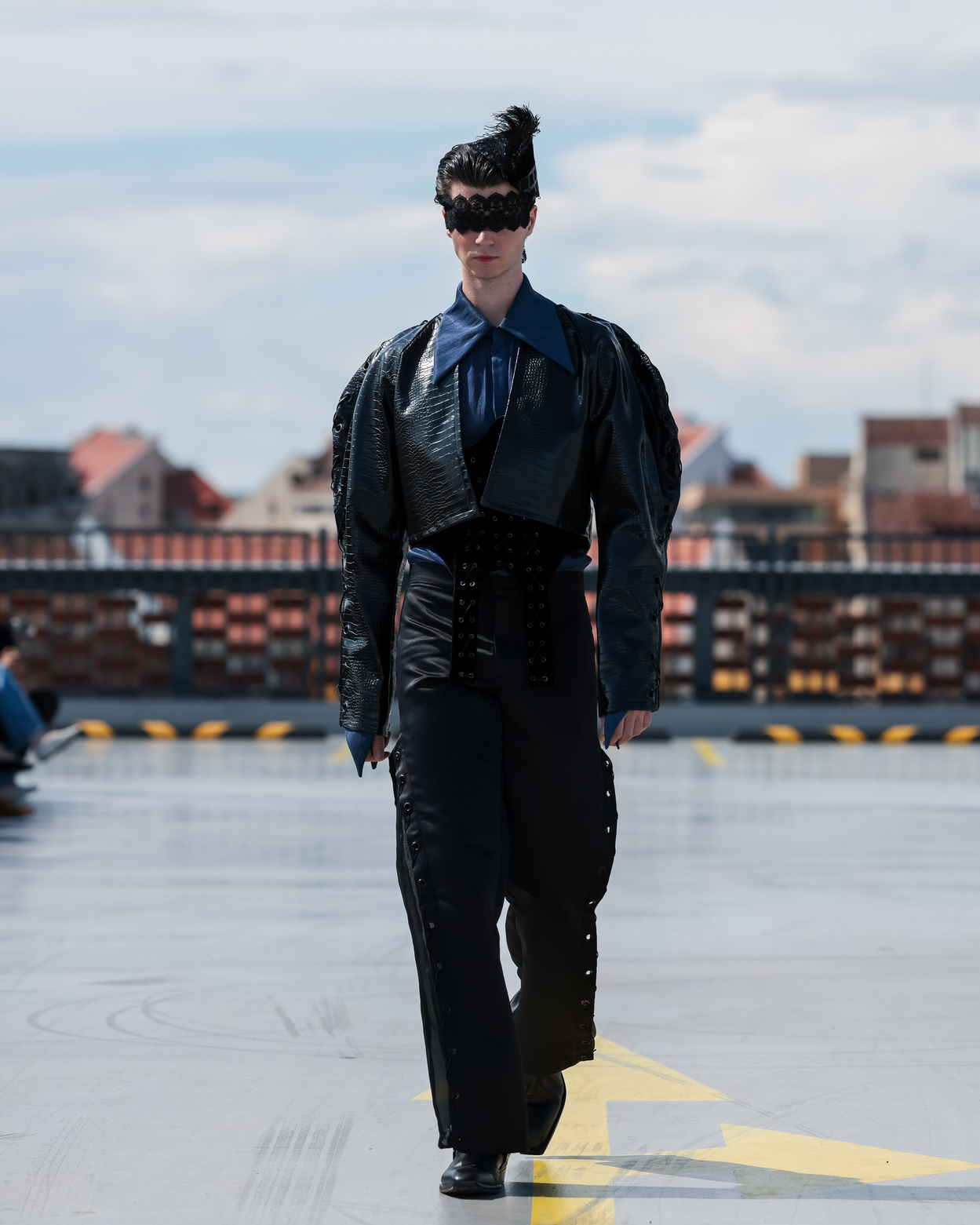
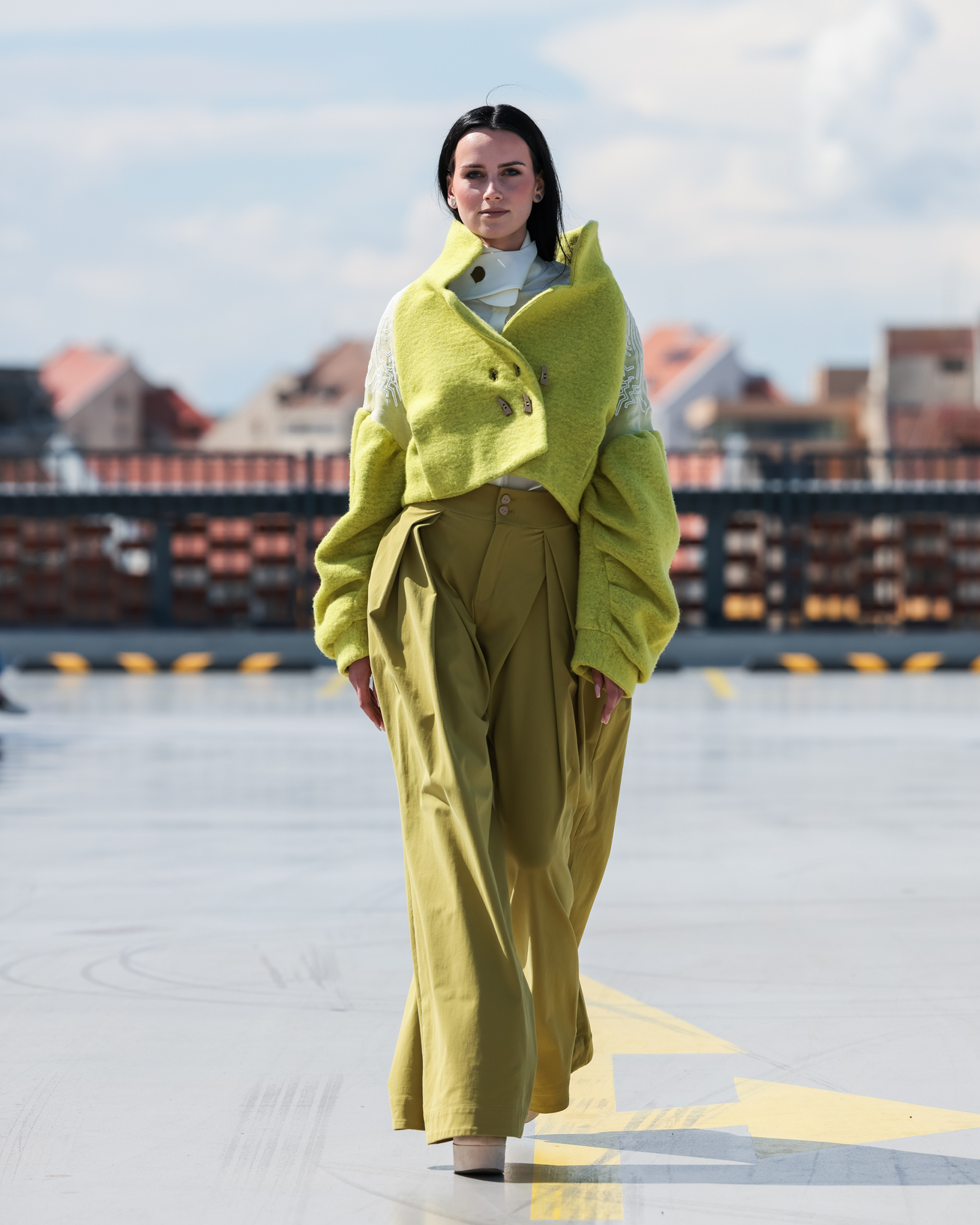
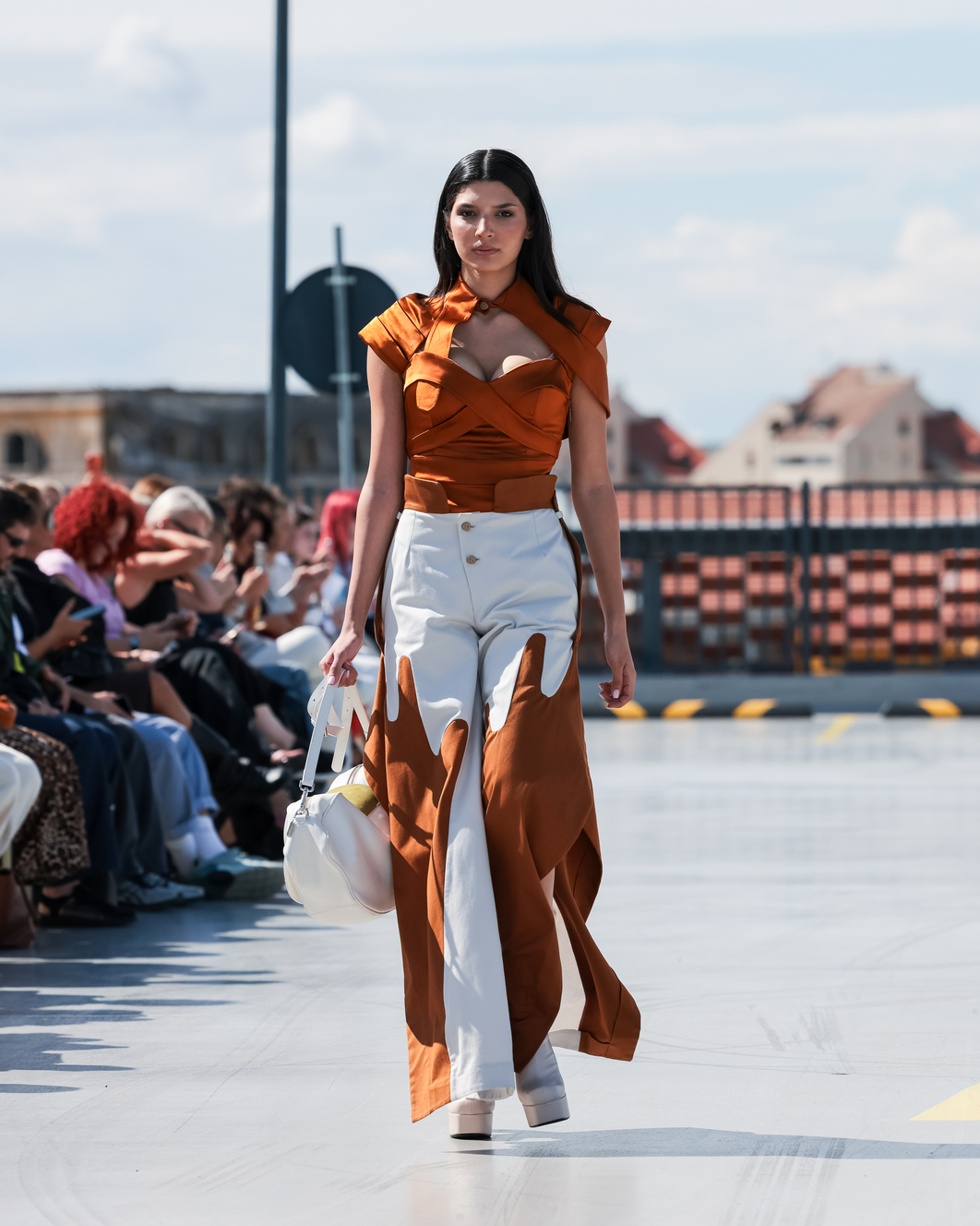
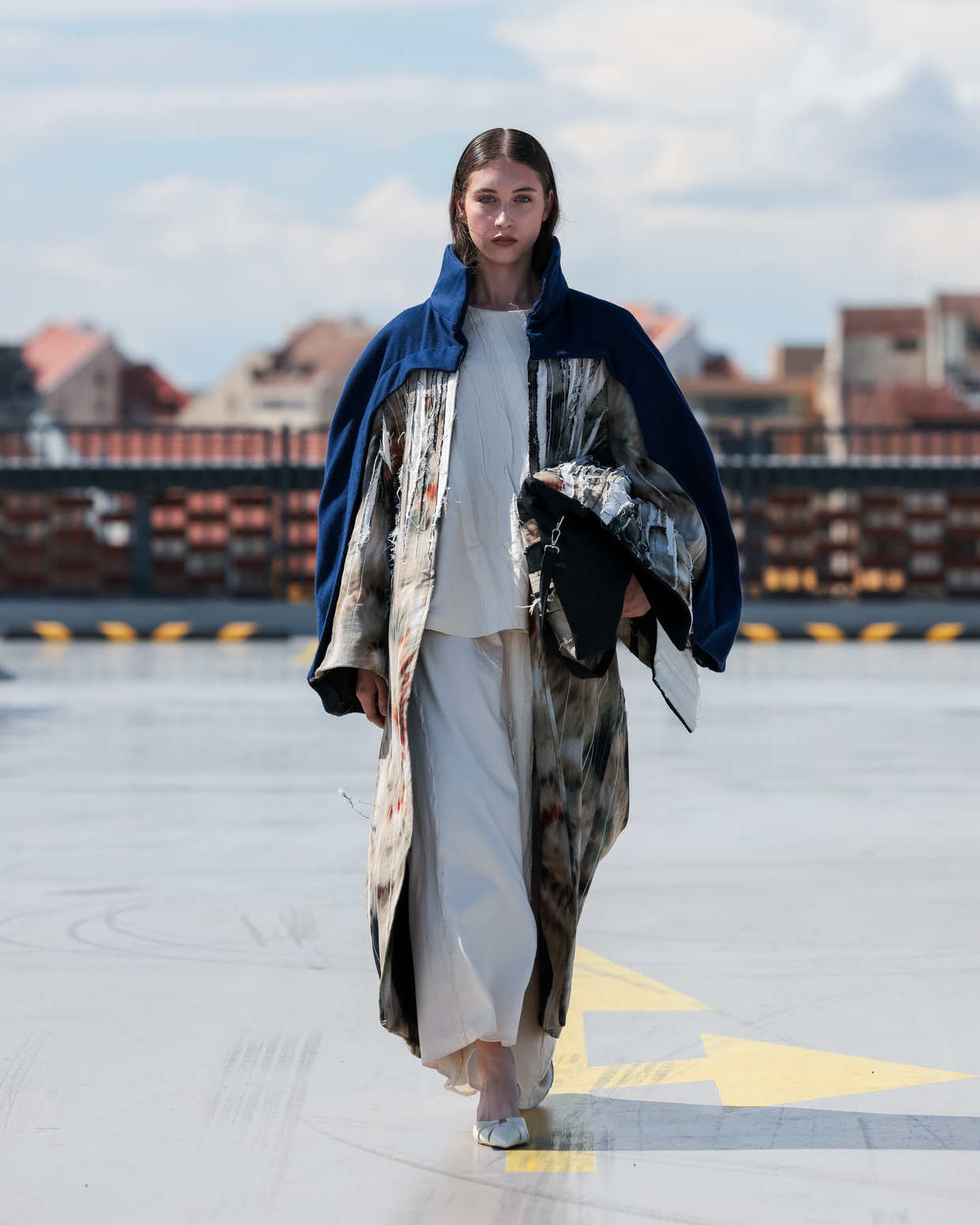
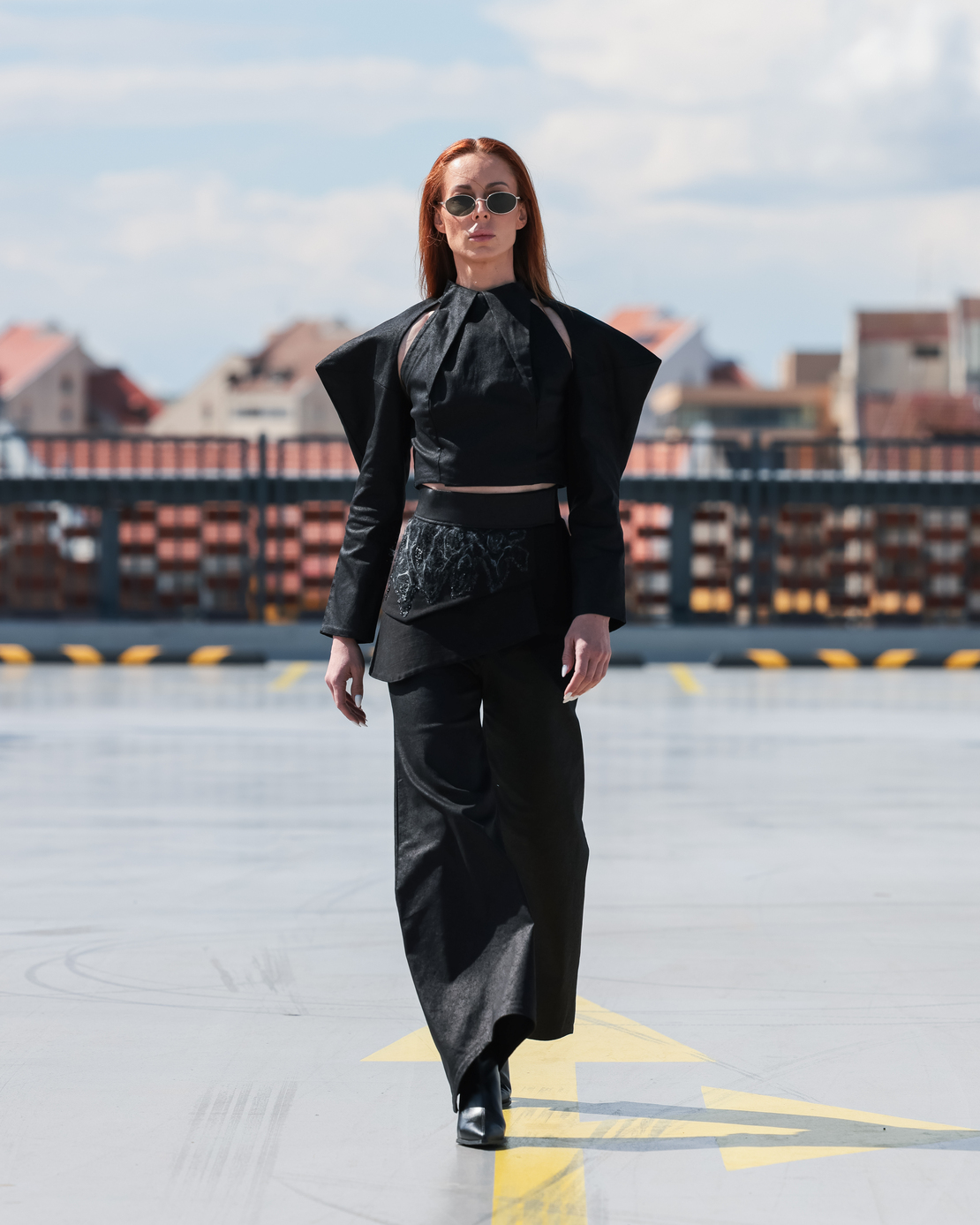
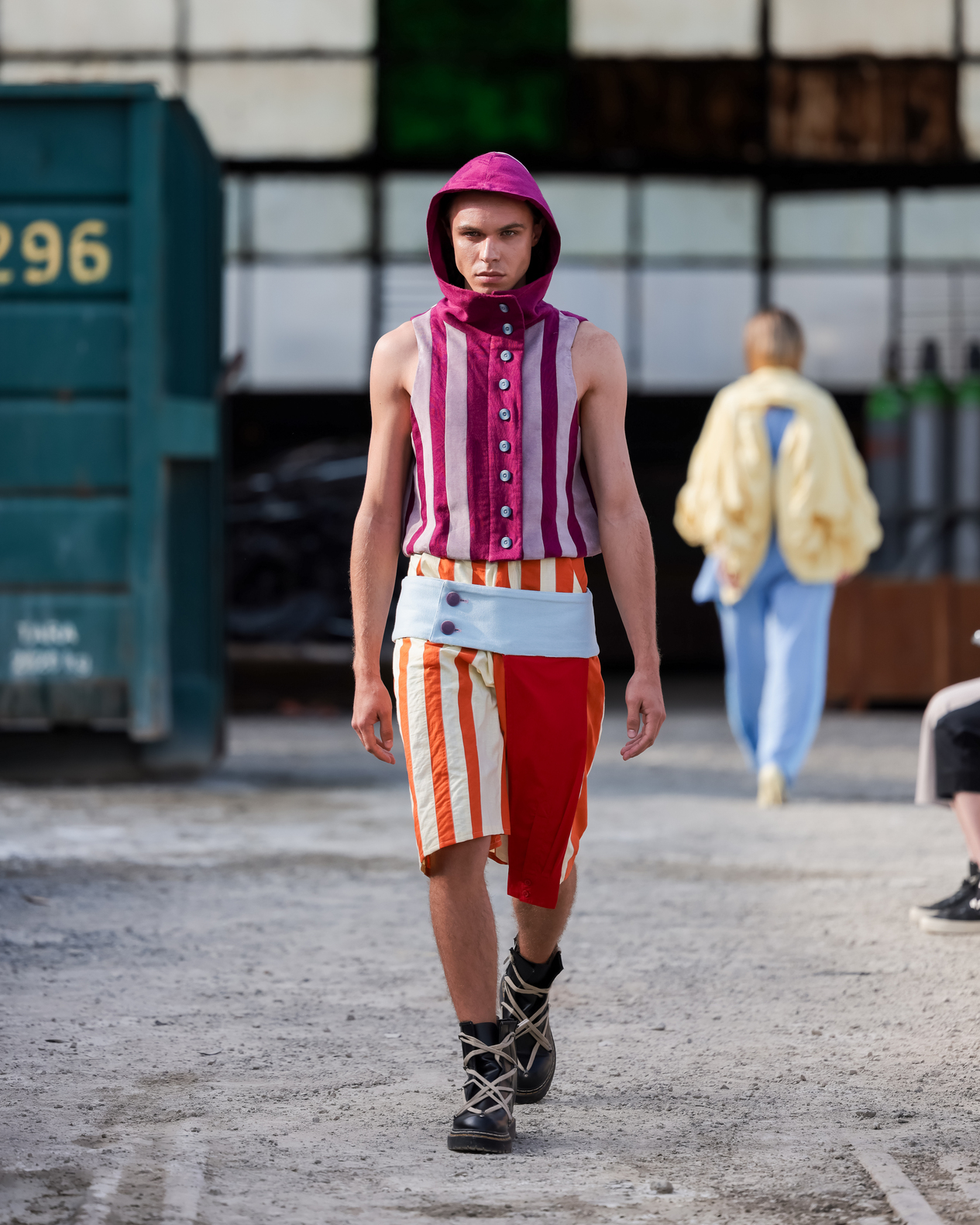
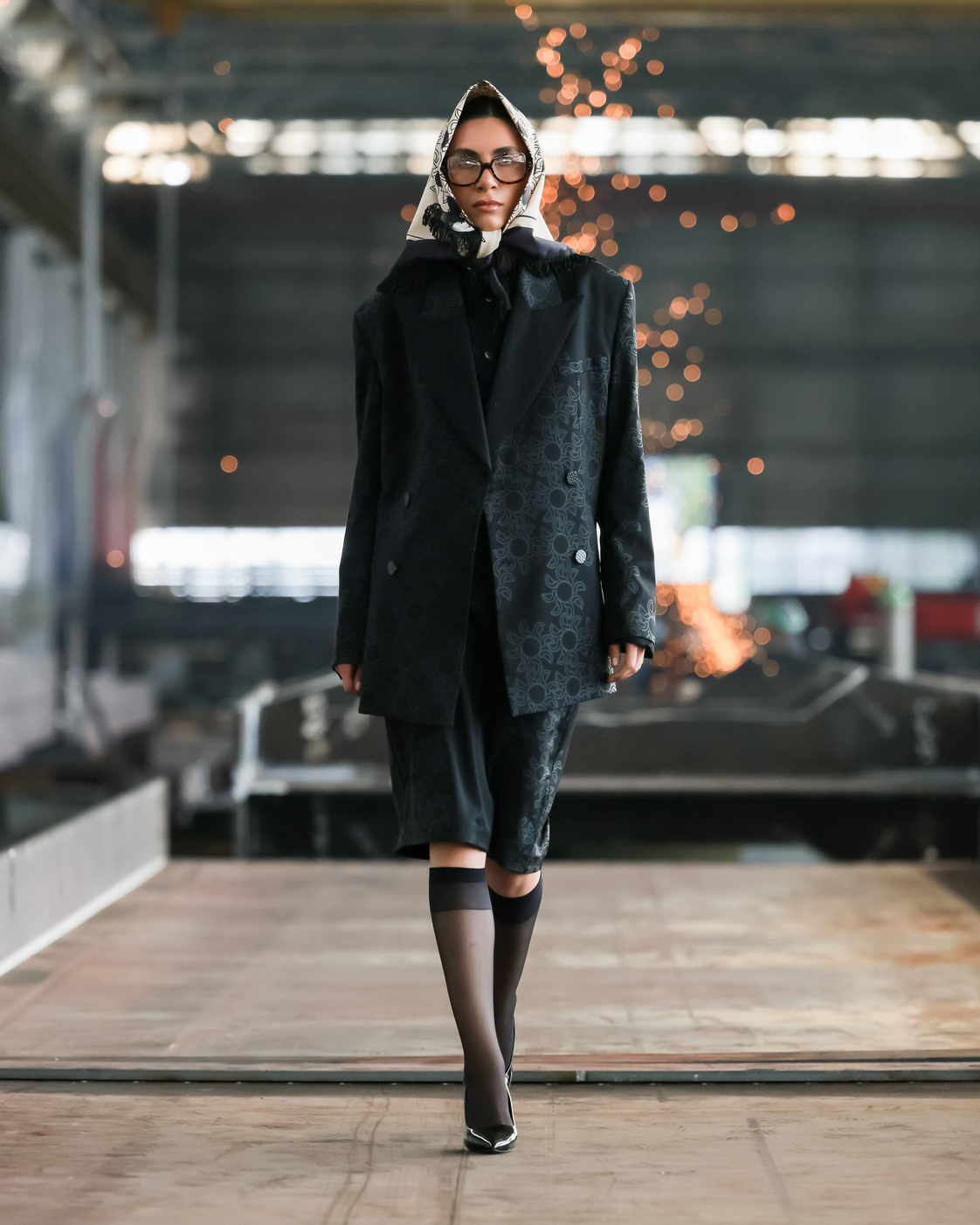
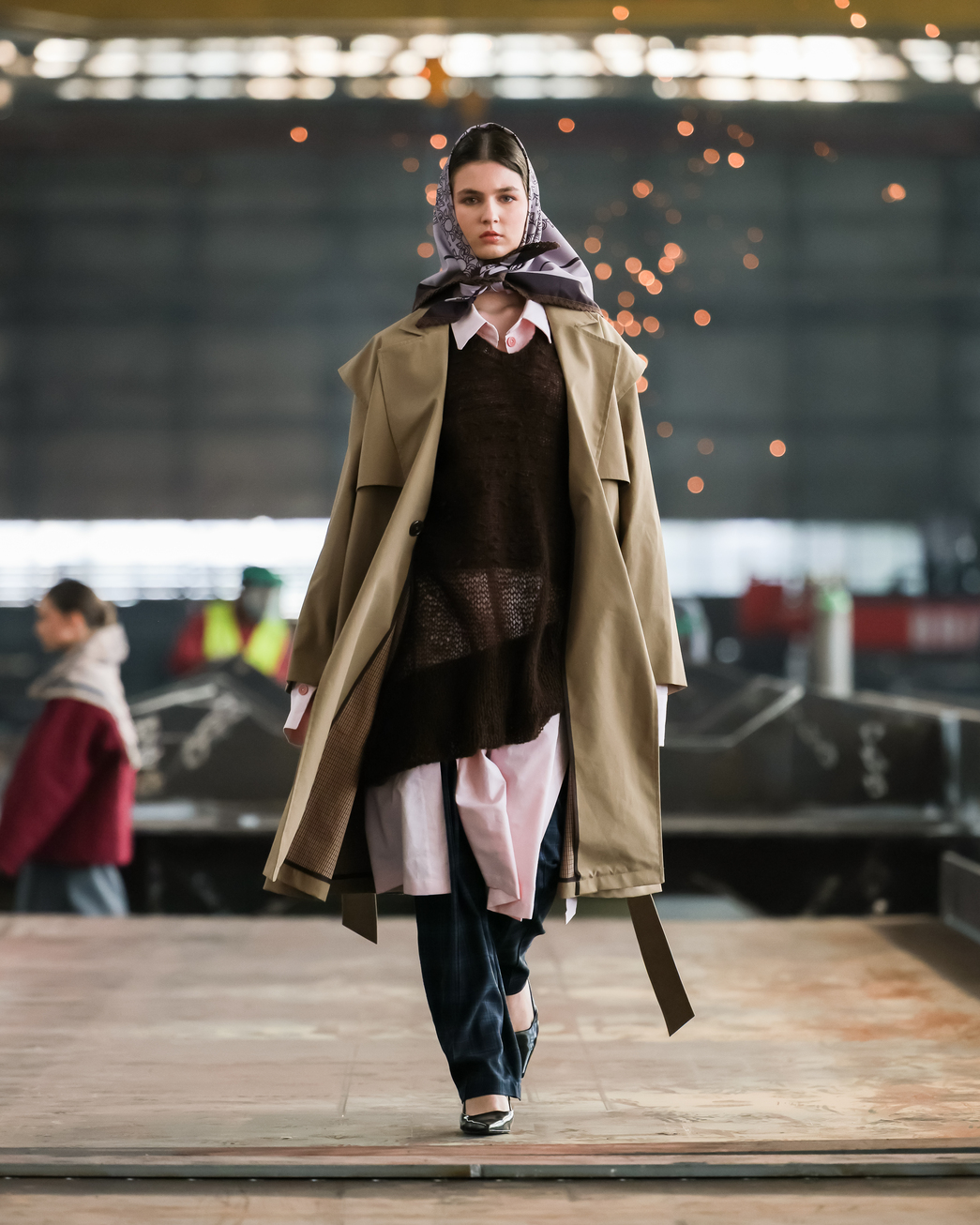
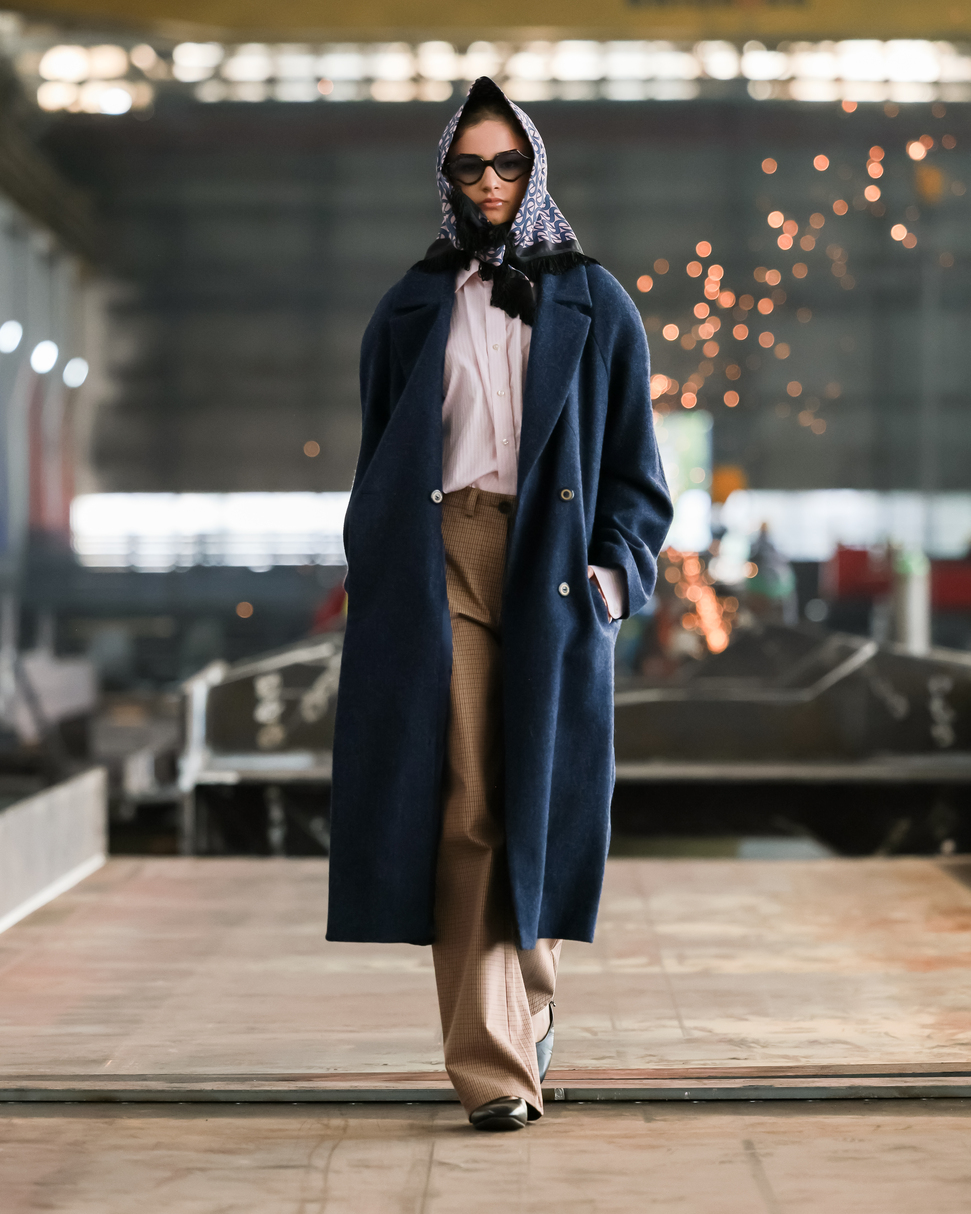
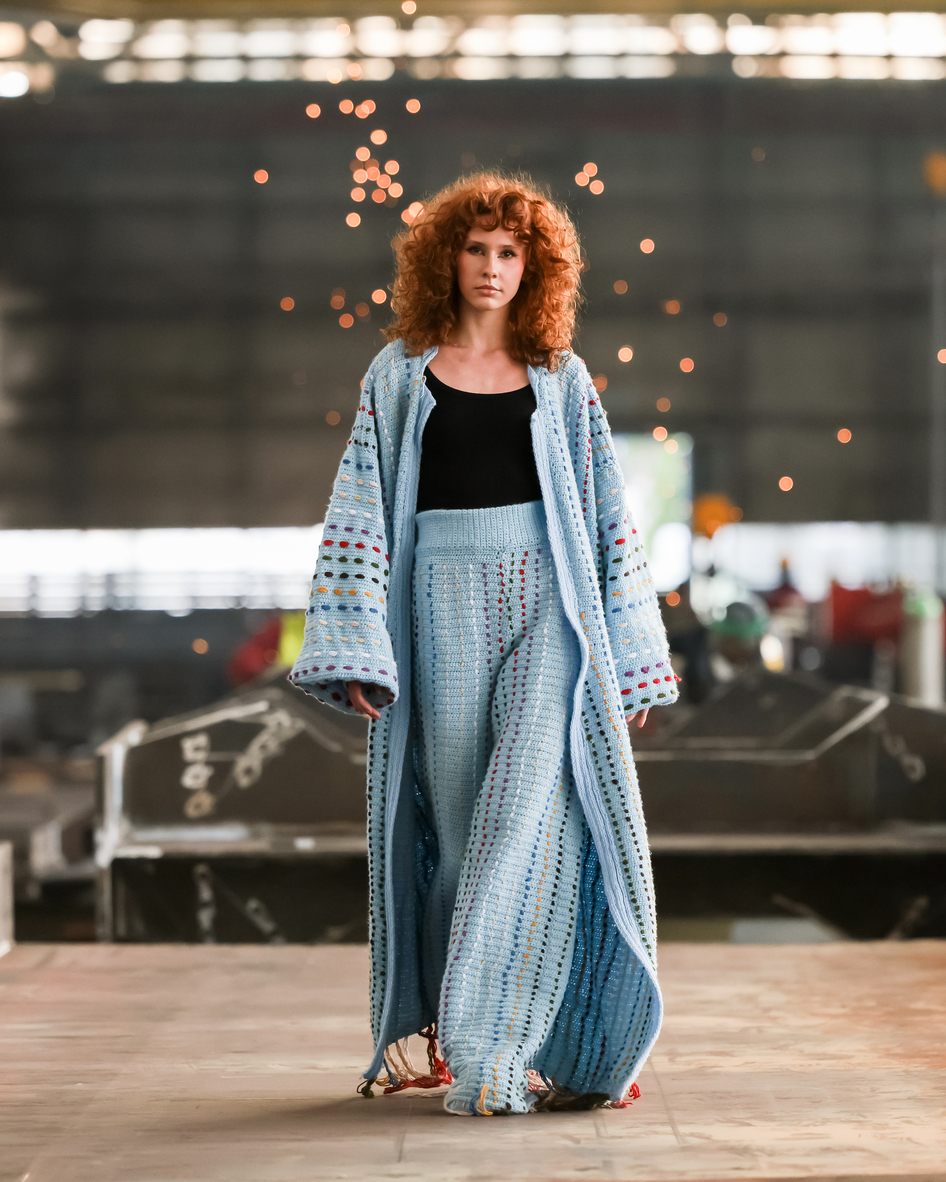
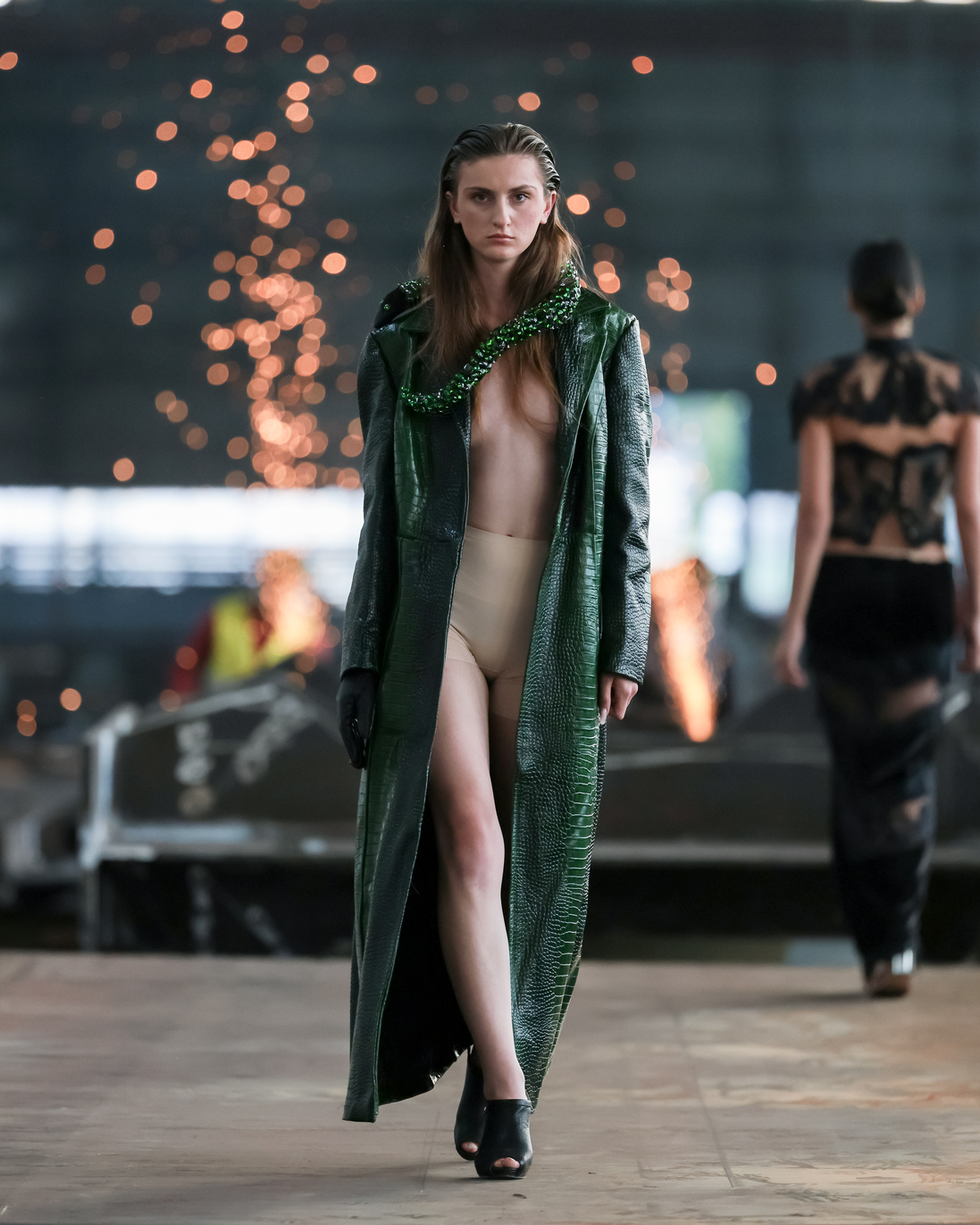
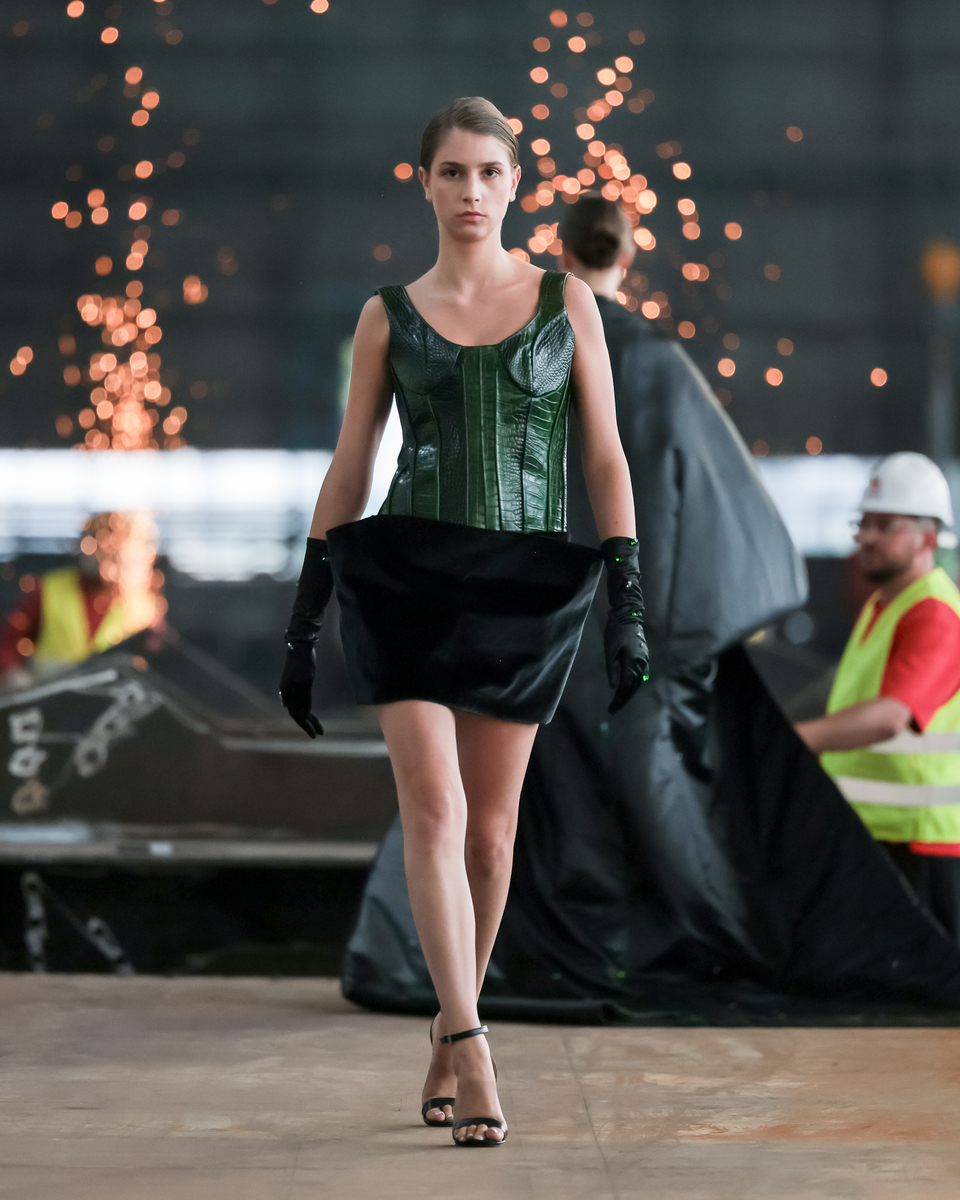
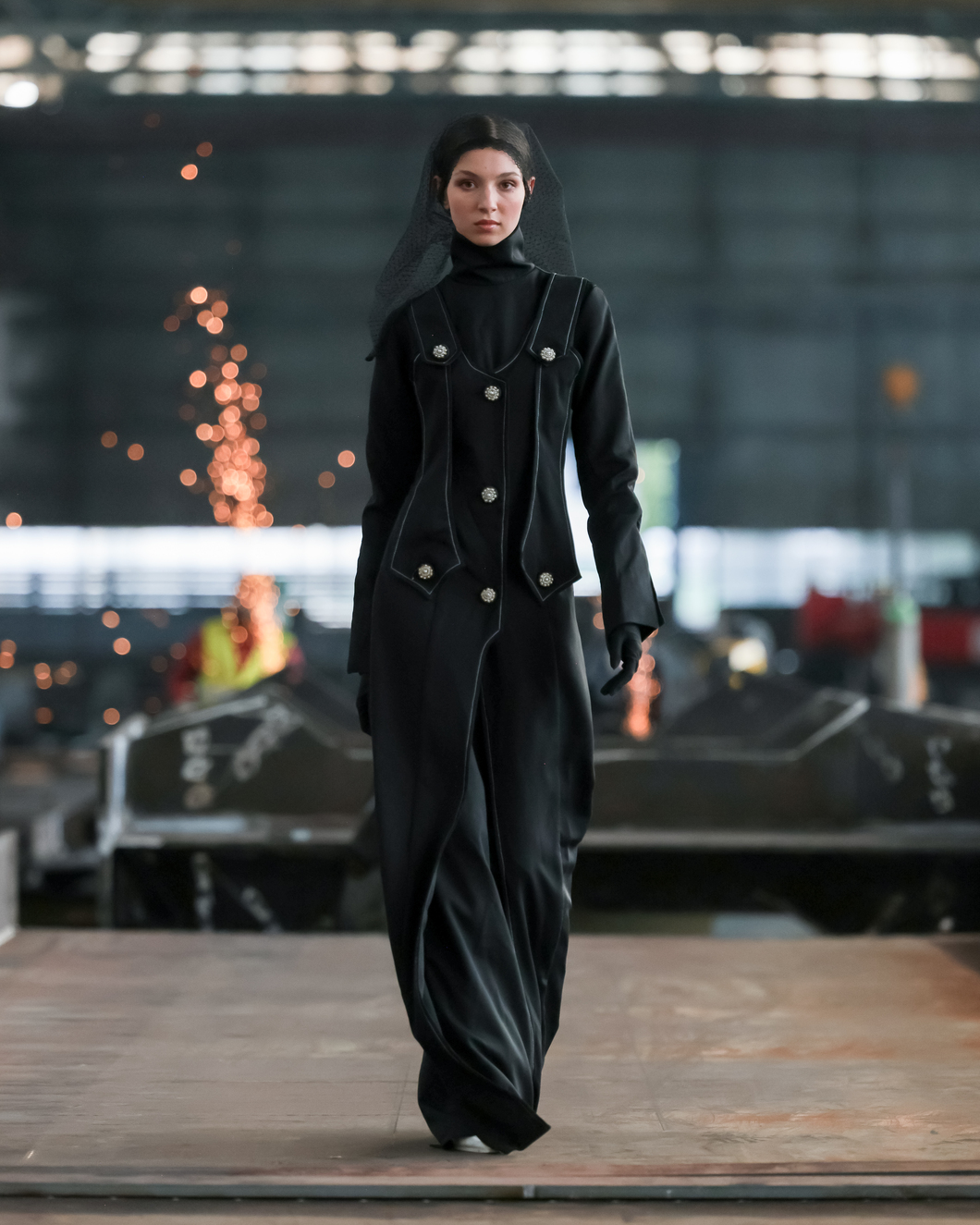
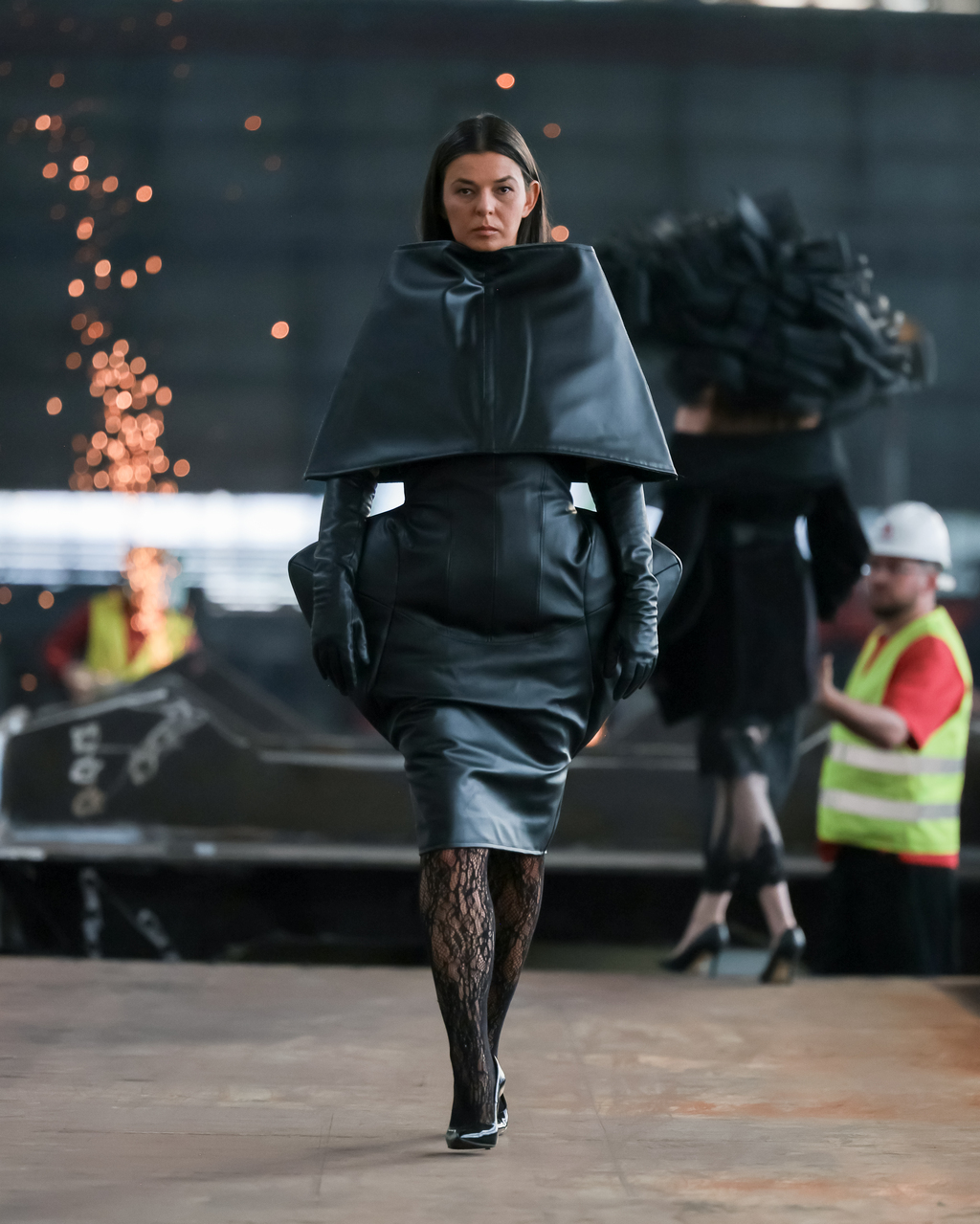
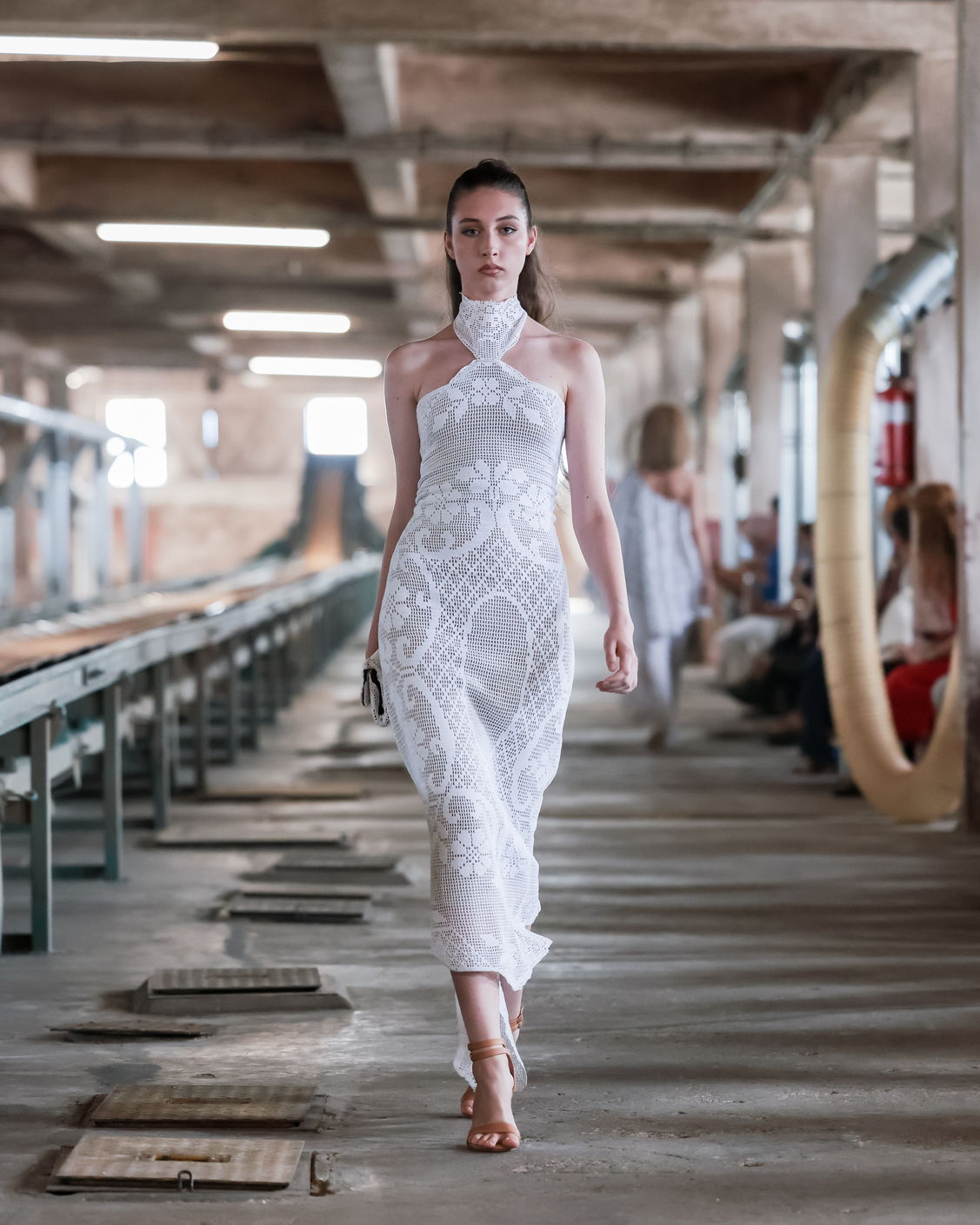
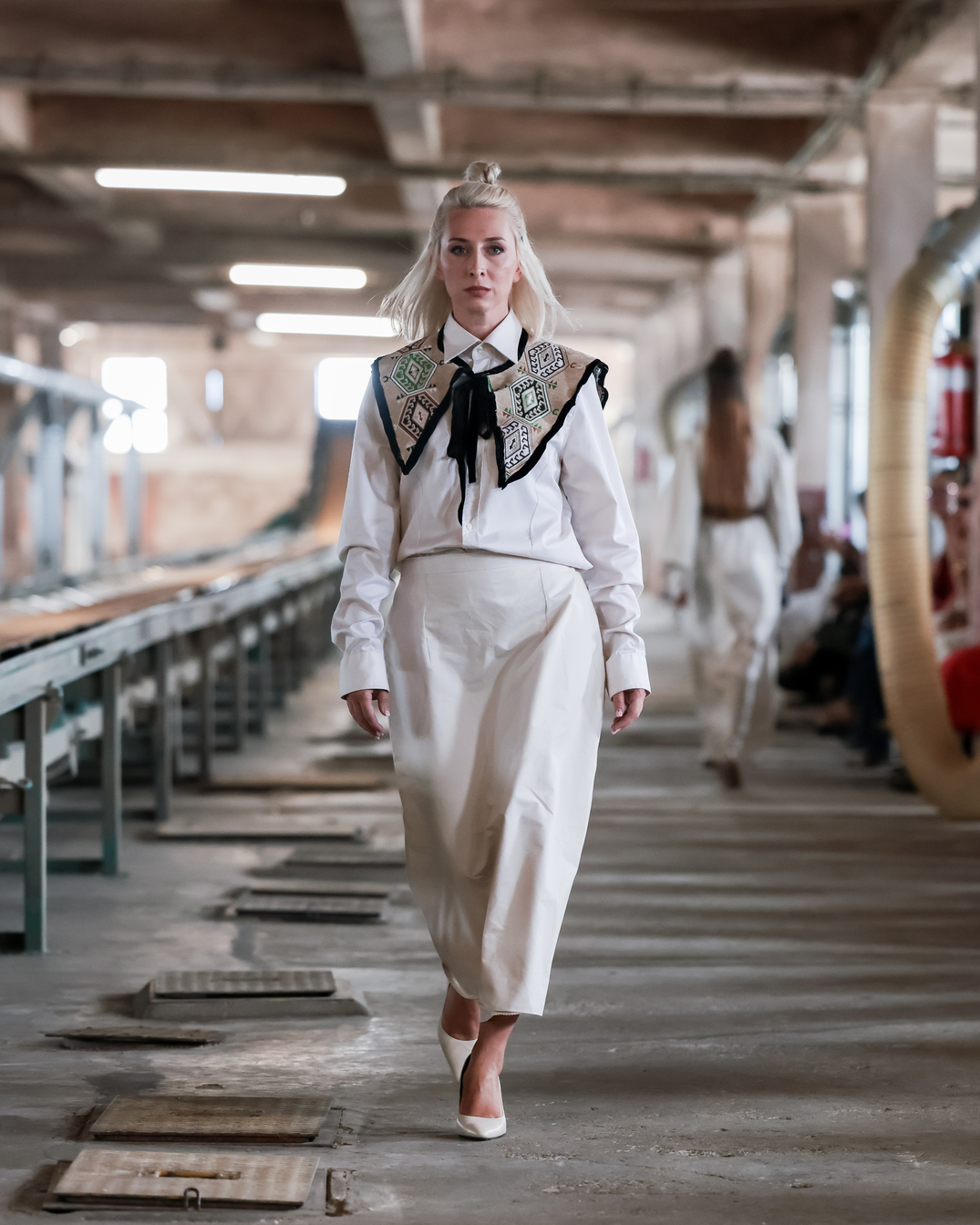
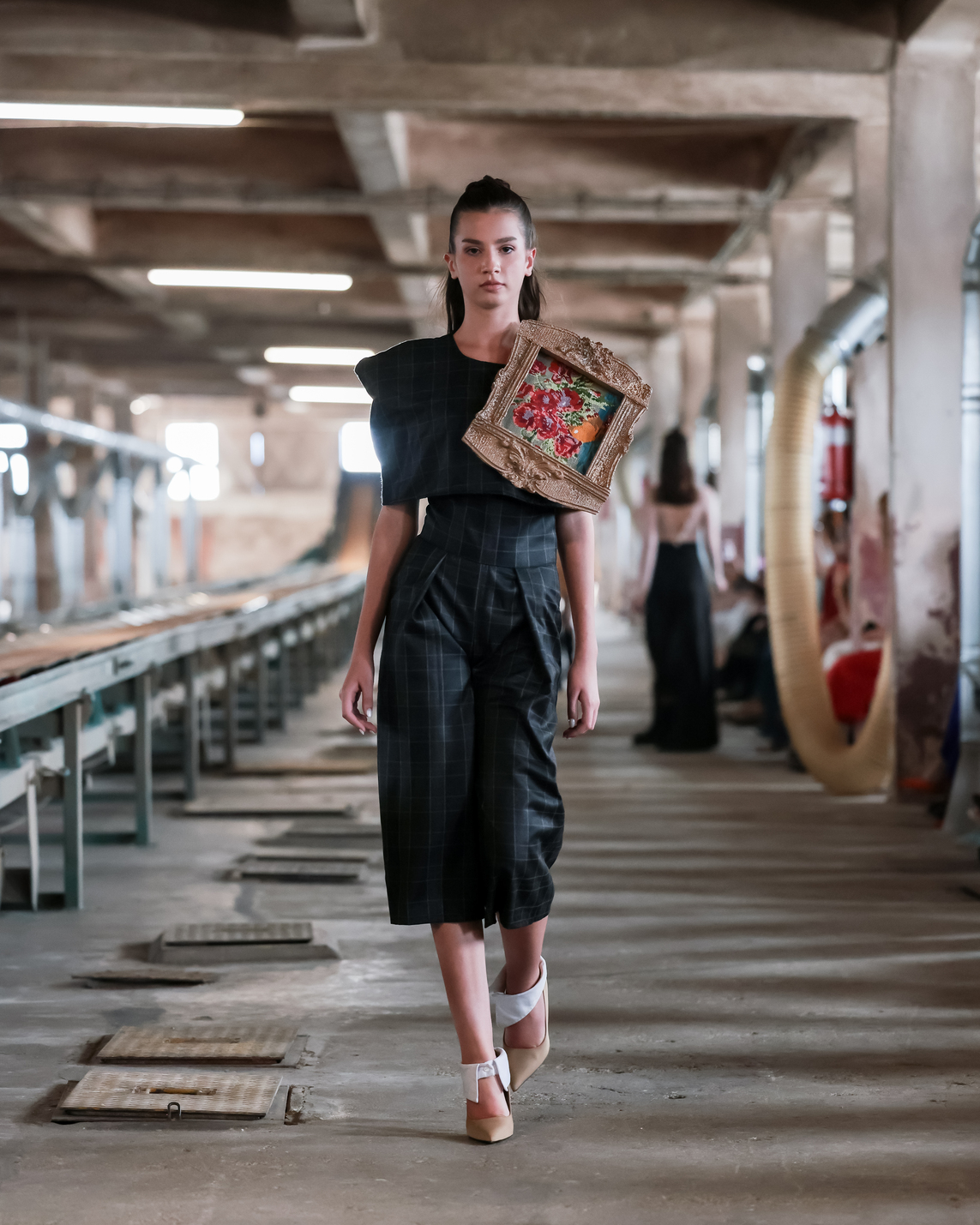
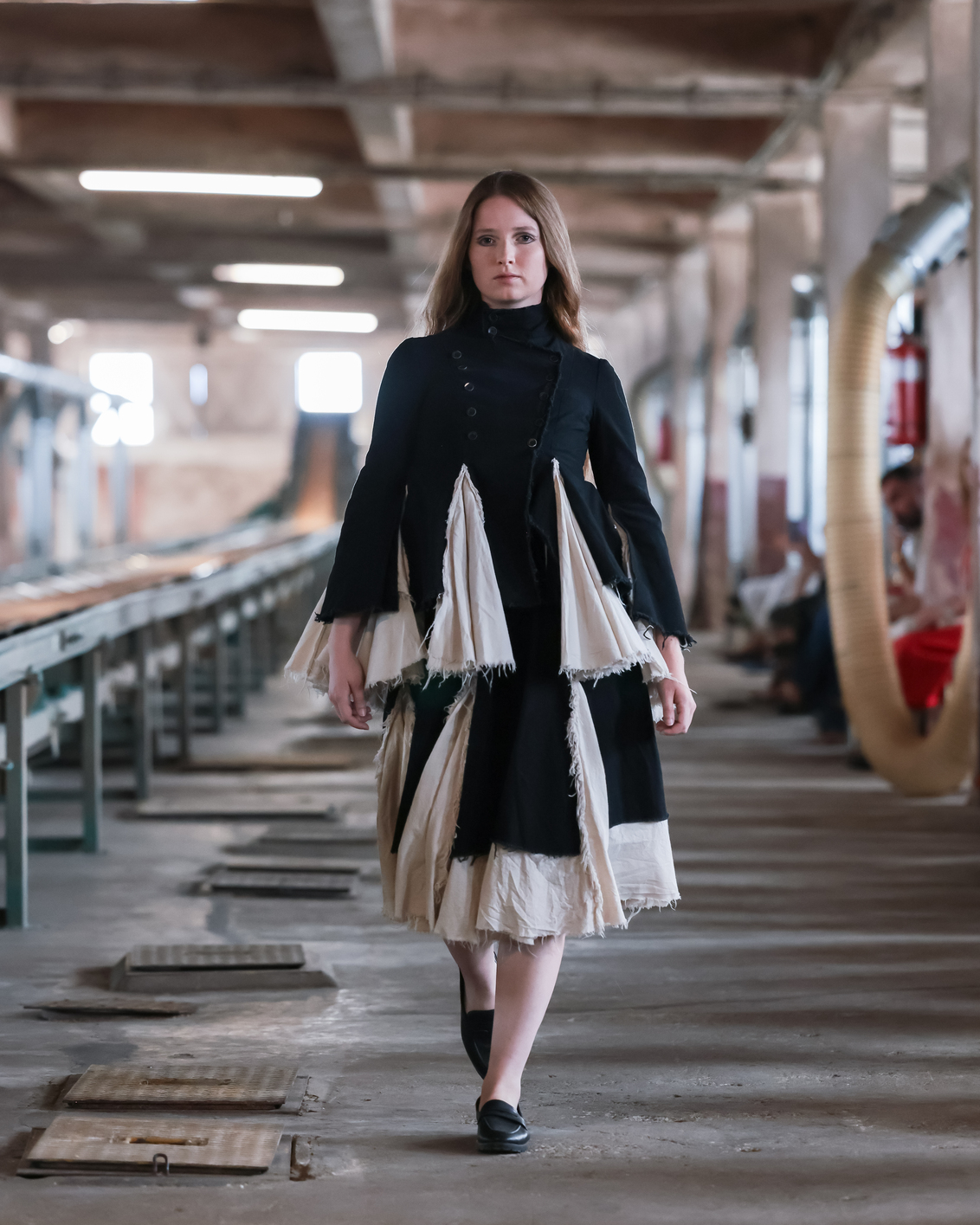
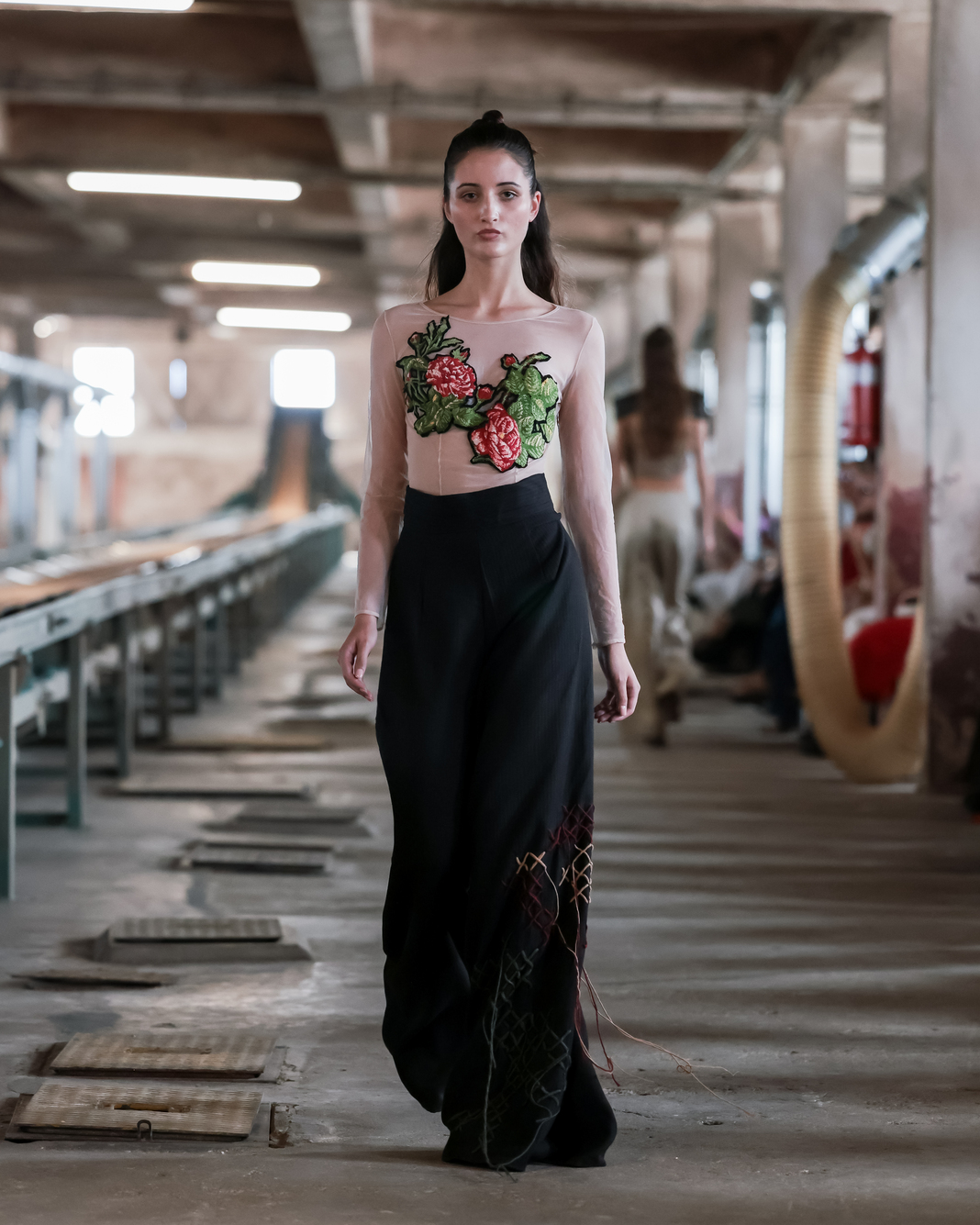
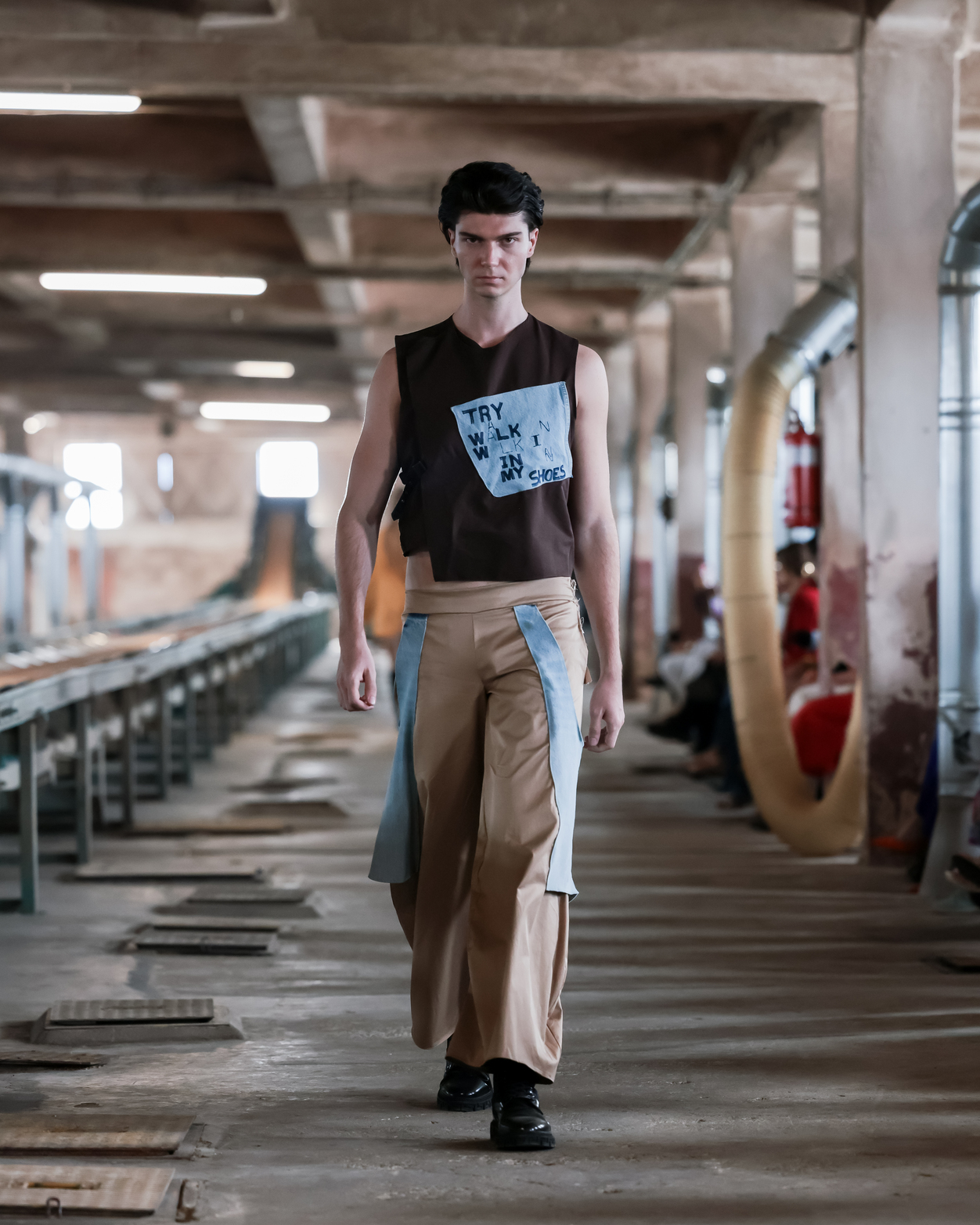
True to the concept that made it famous, Feeric Fashion Week once again turned seemingly ordinary spaces into spectacular settings for fashion. The Immersive Museum, Promenada Sibiu, the parking areas of Promenada Sibiu shopping center, industrial halls, the Sigemo tire warehouse, Boromir Mill, Huet Square and partner cultural venues became stages for presentations that showed fashion can engage in dialogue with architecture, industrial heritage and the urban space.
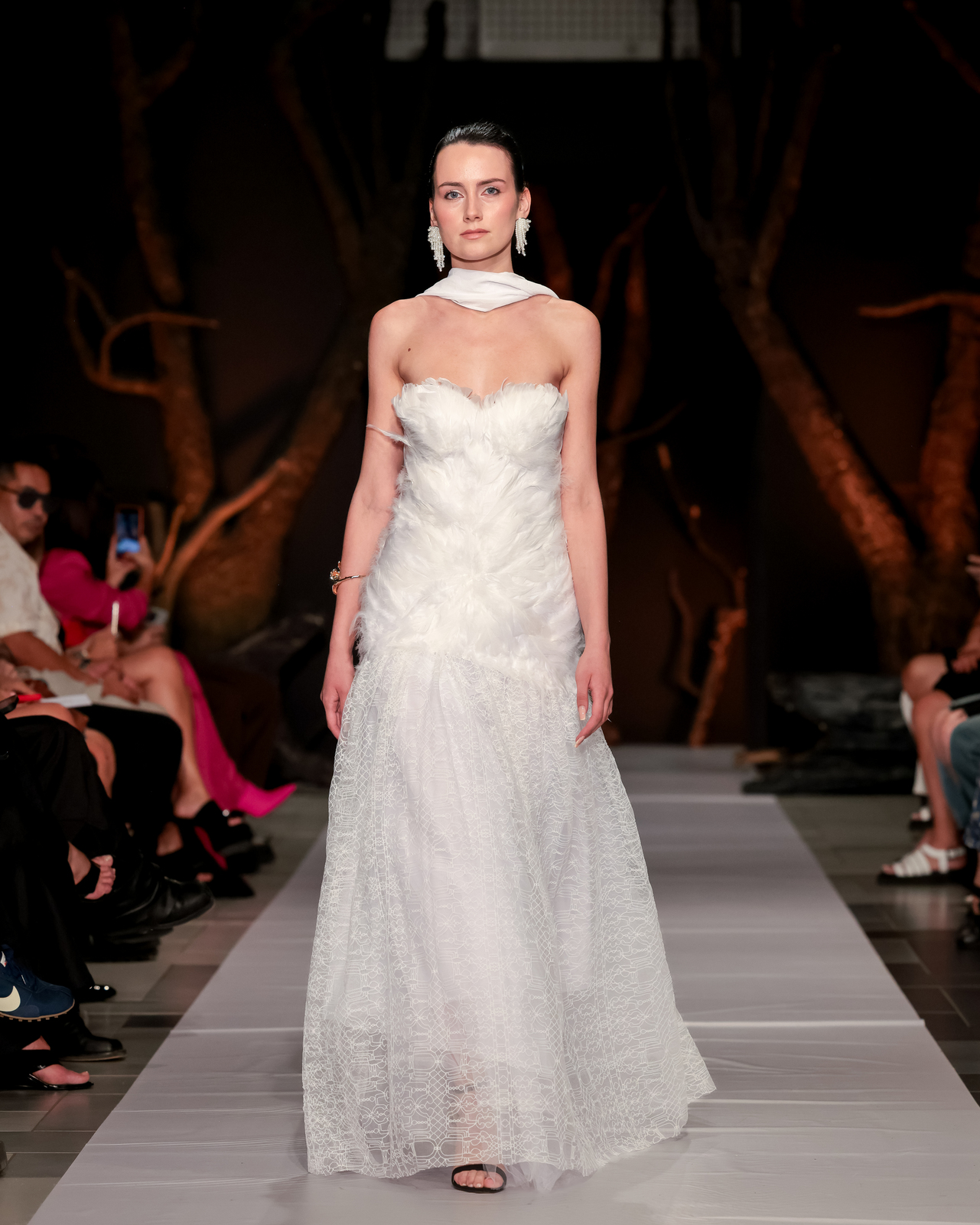
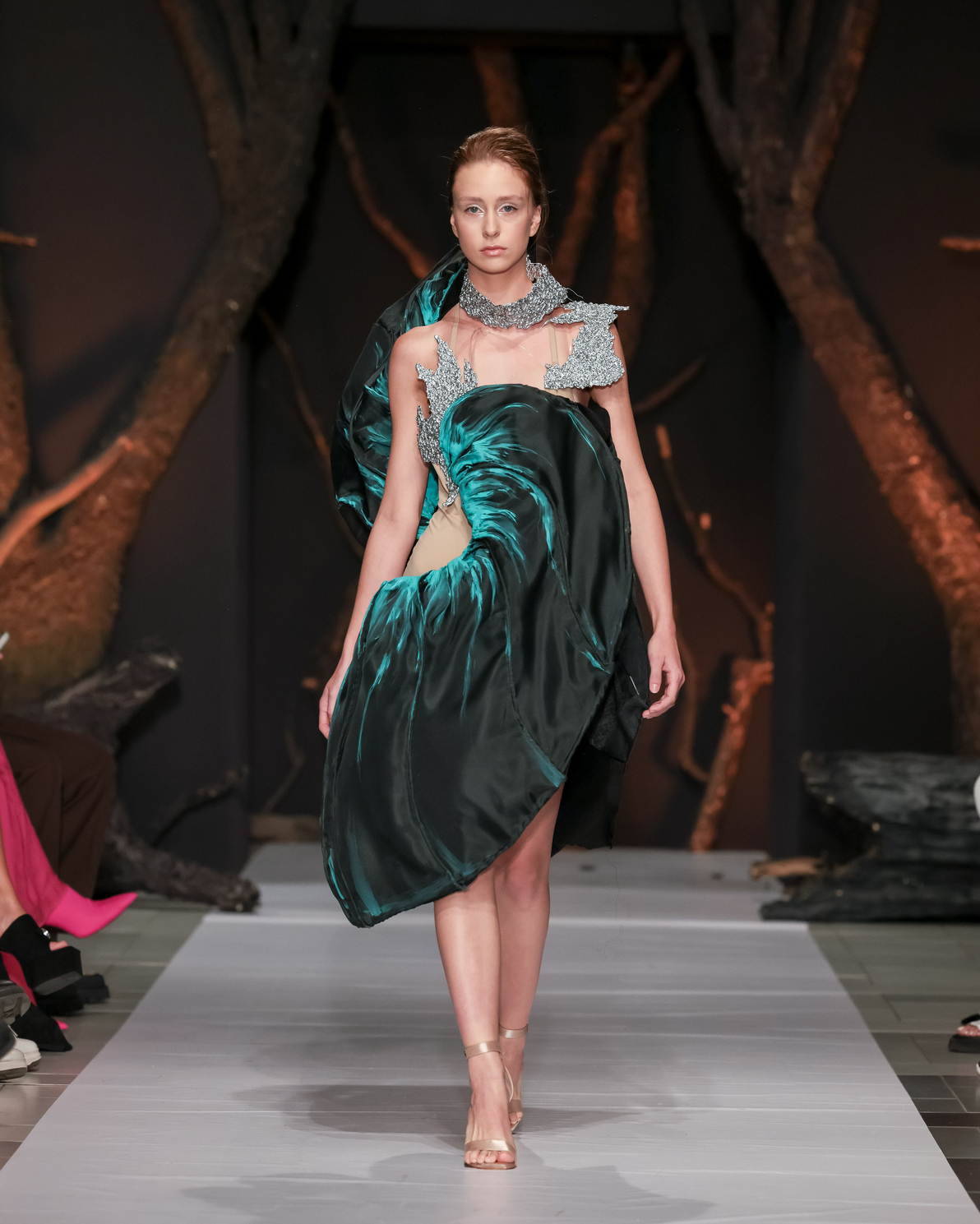
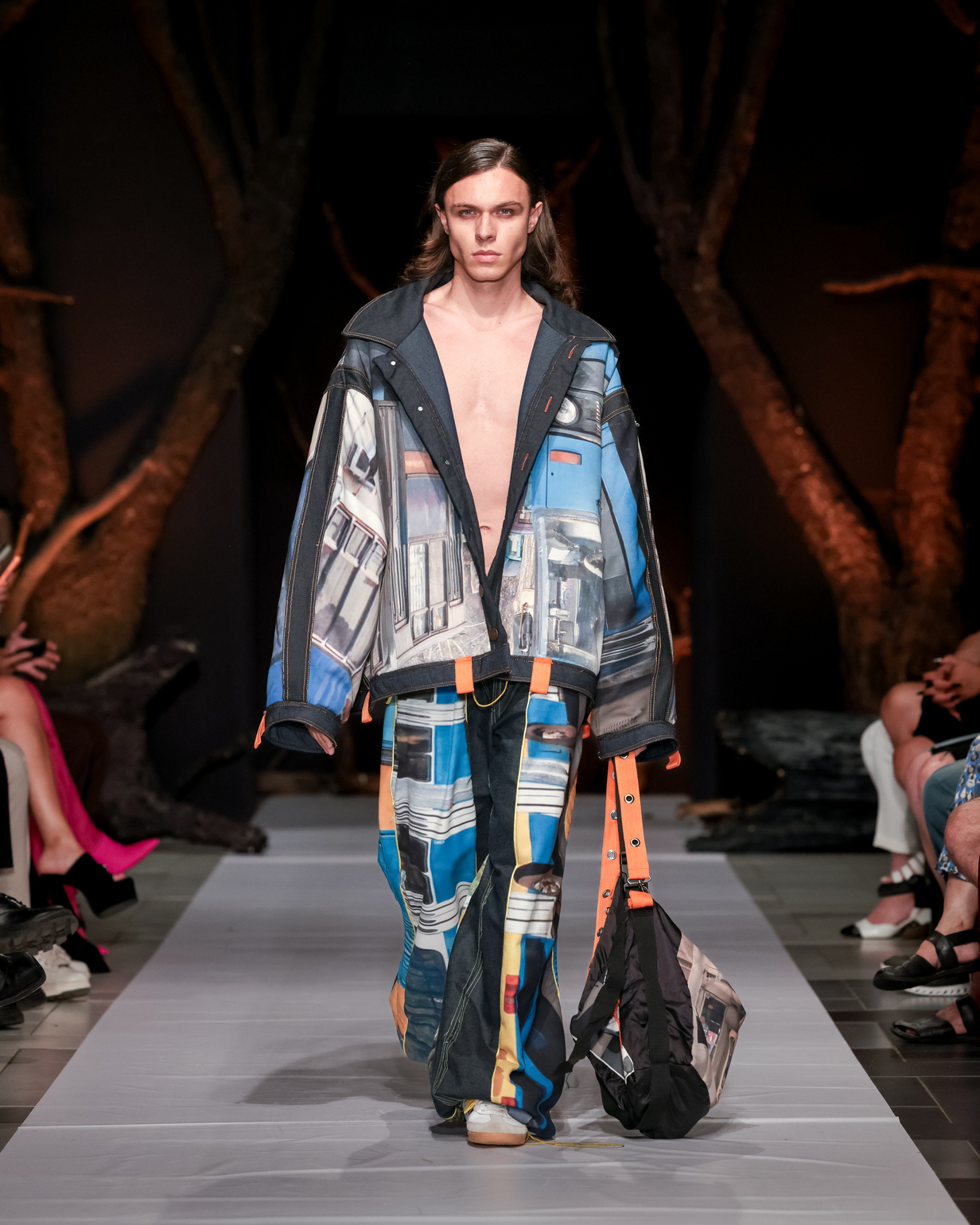
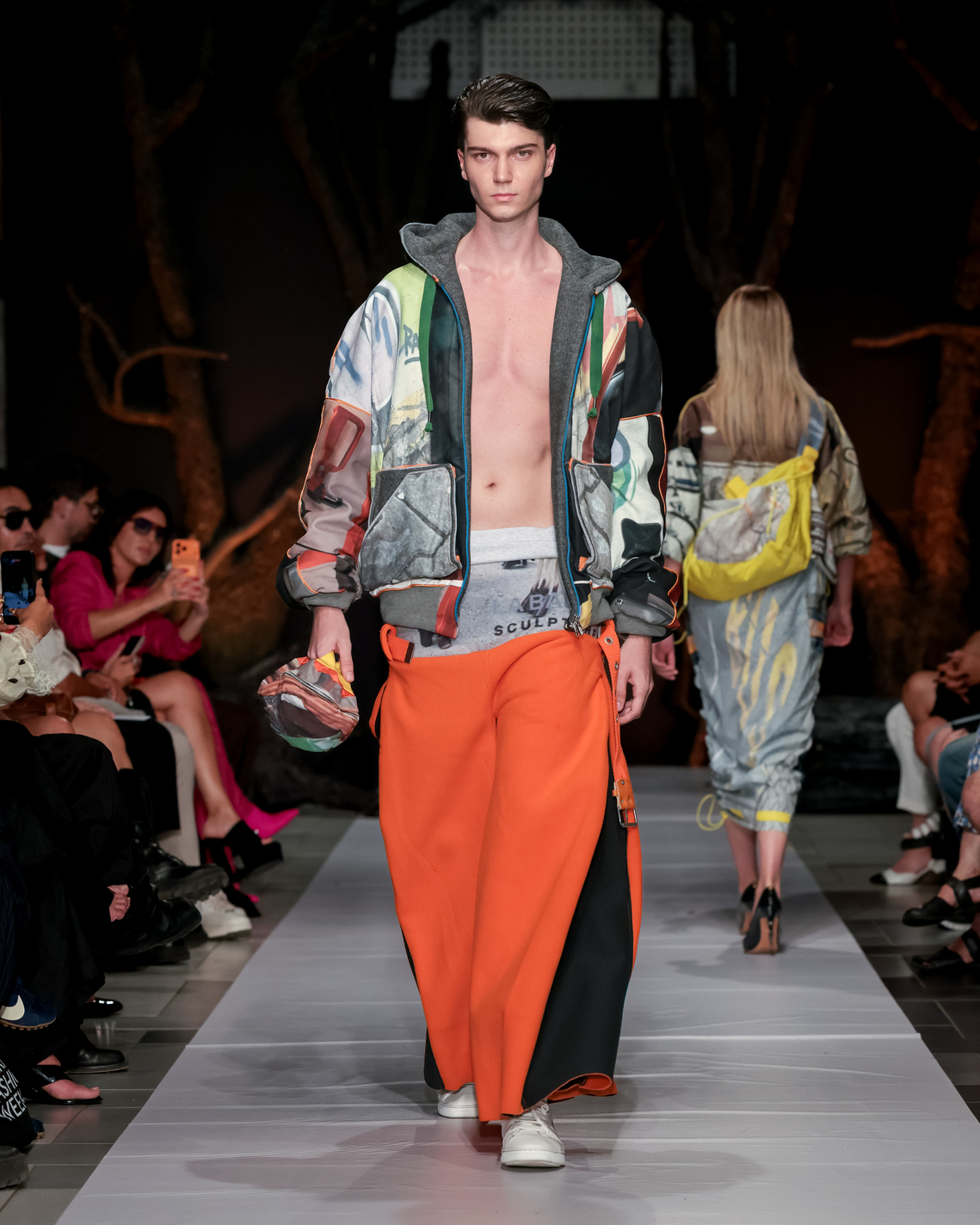
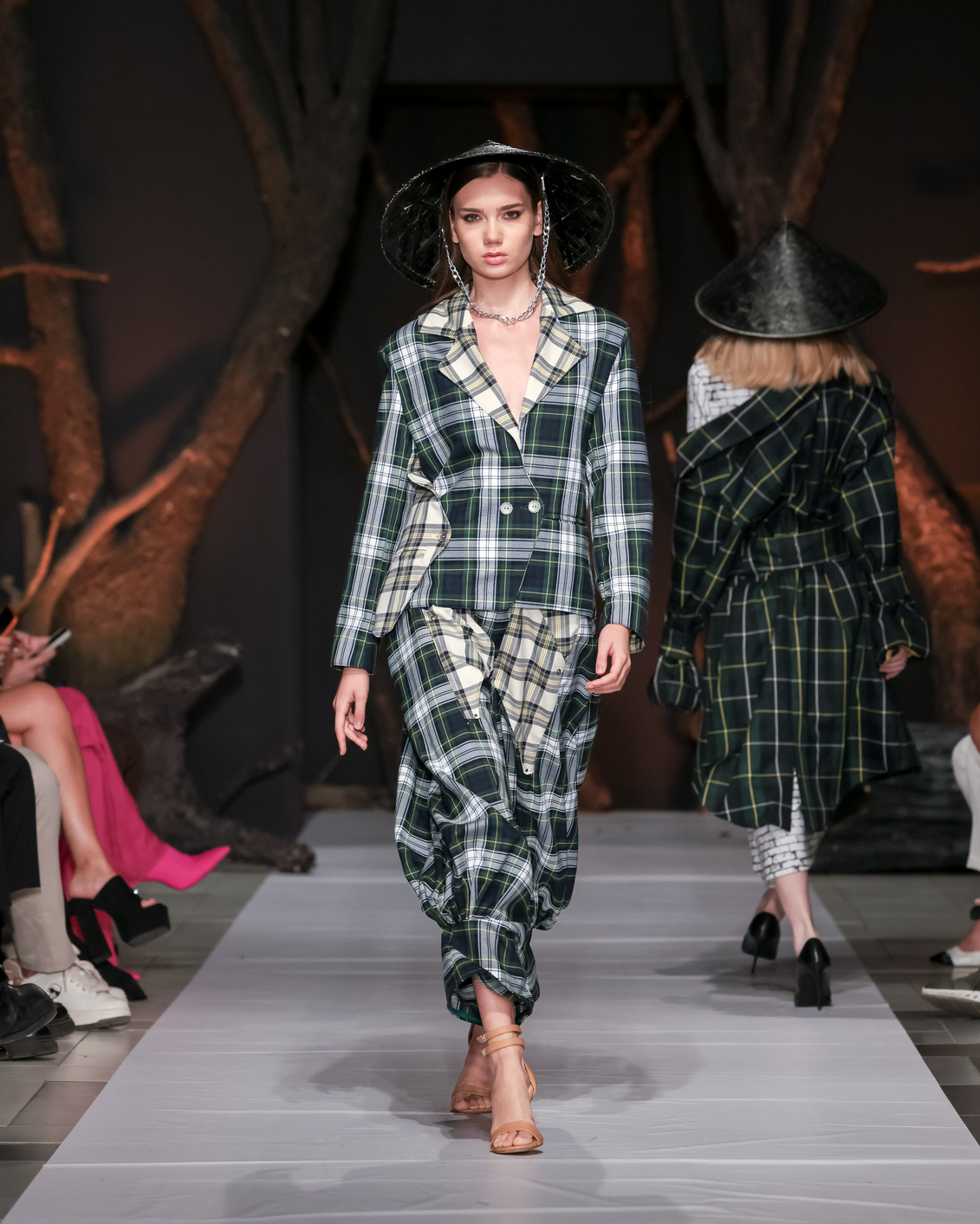
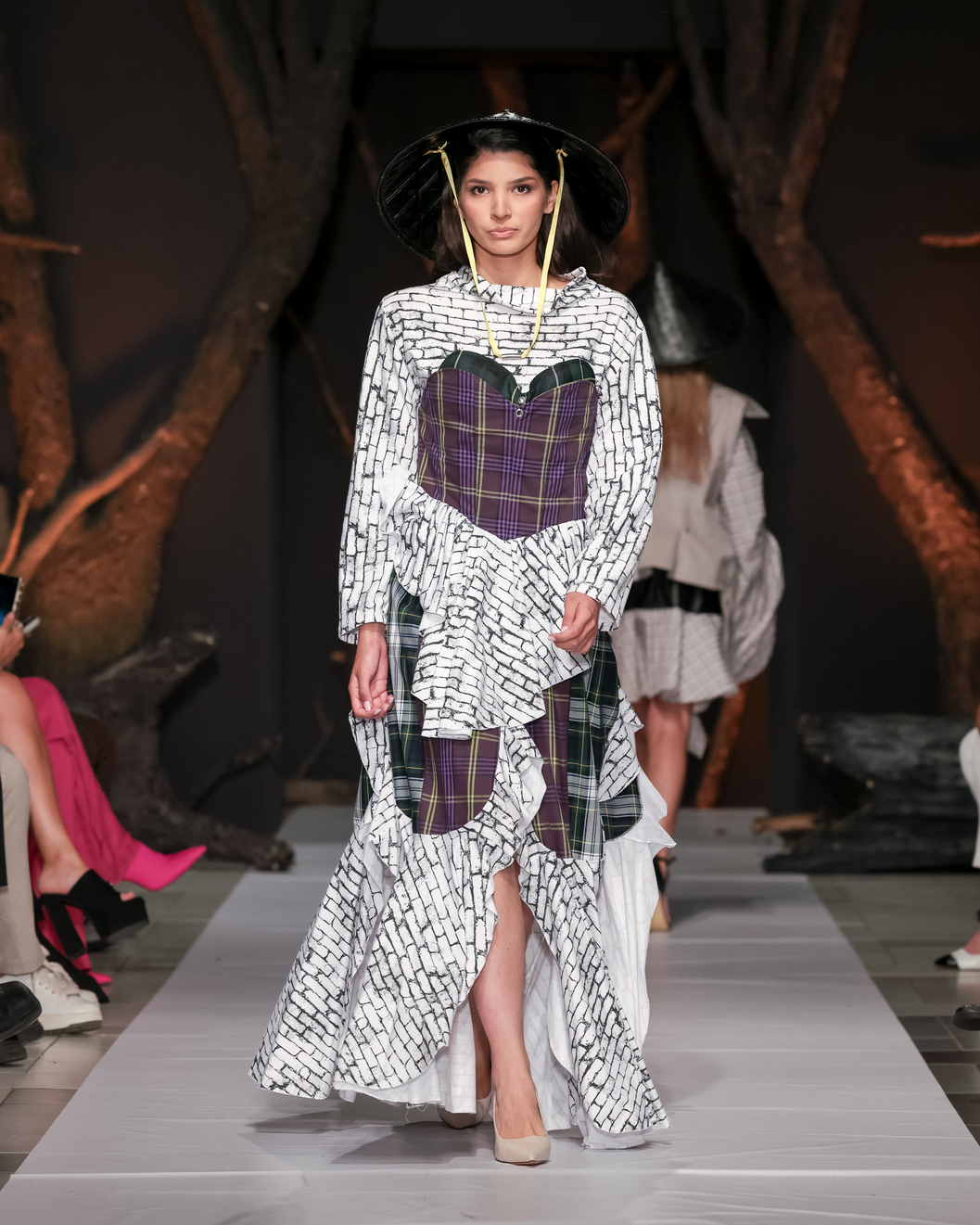
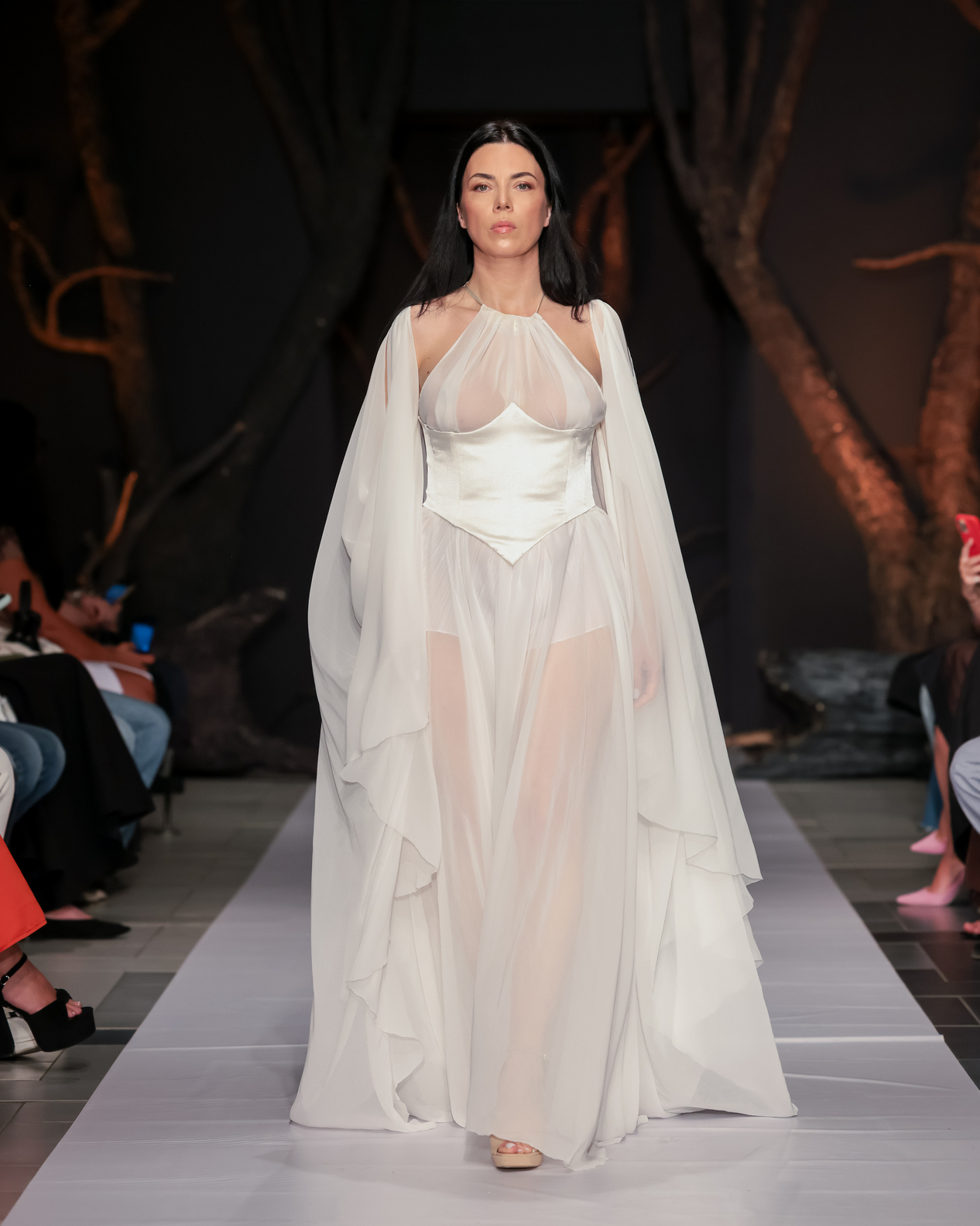
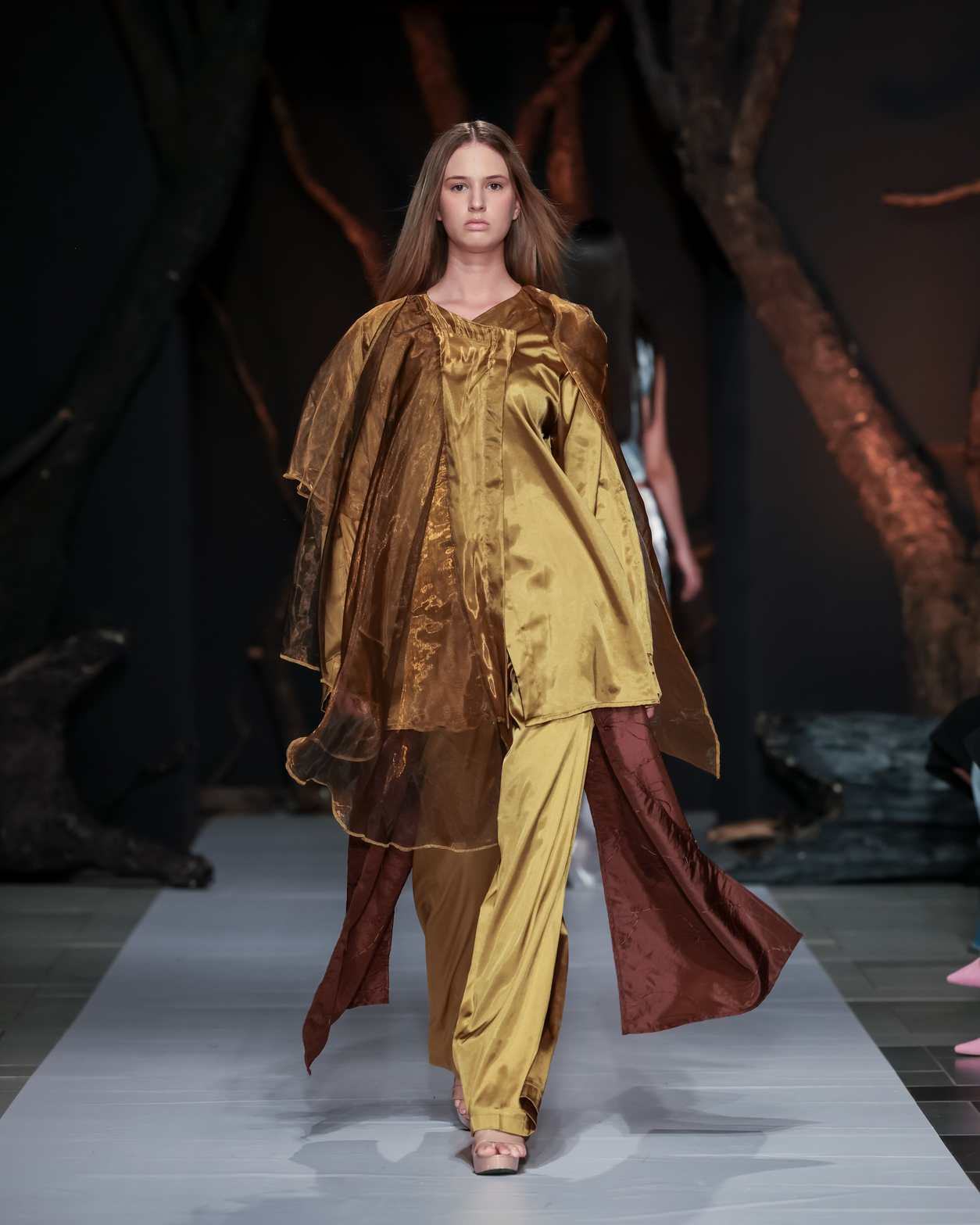
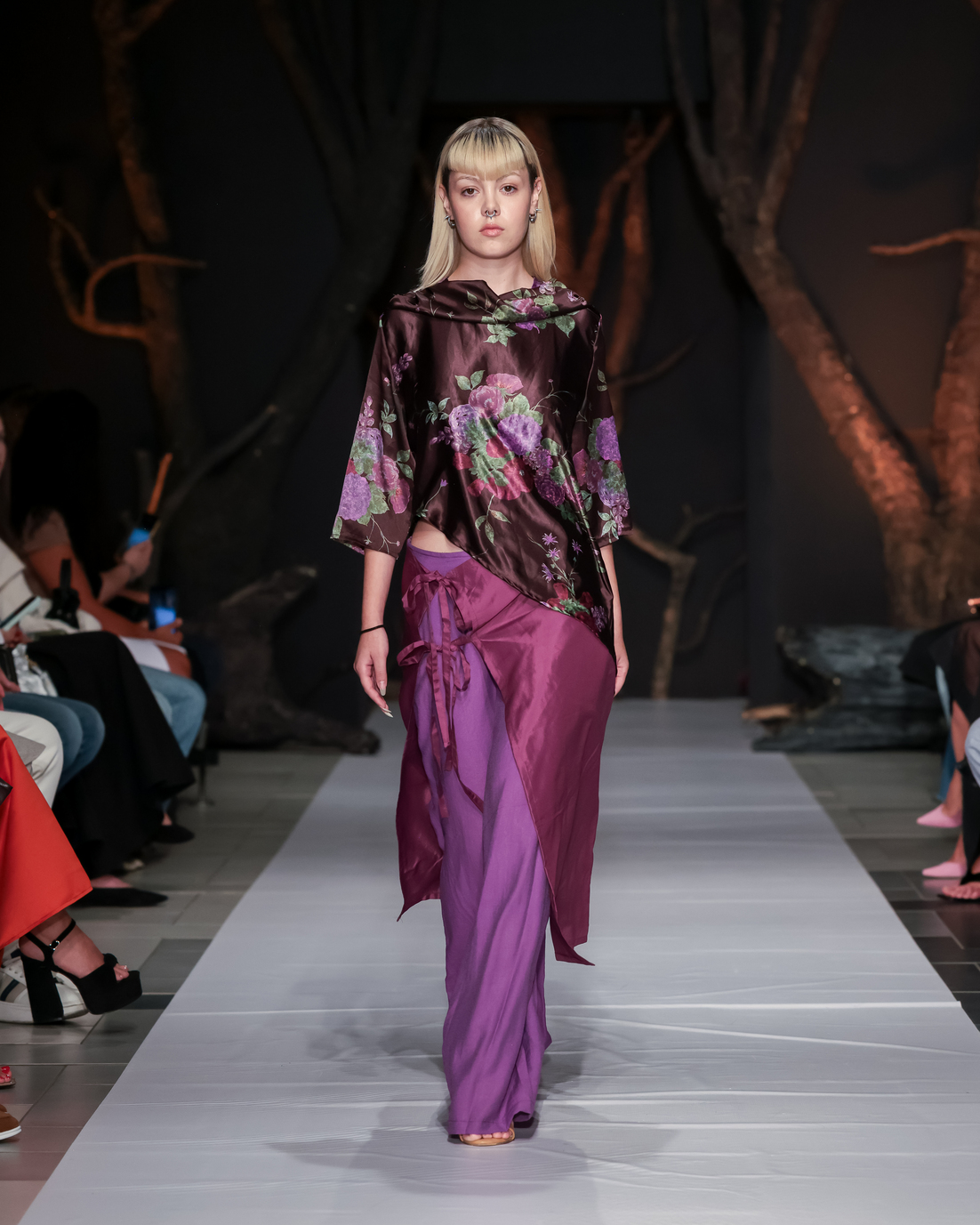
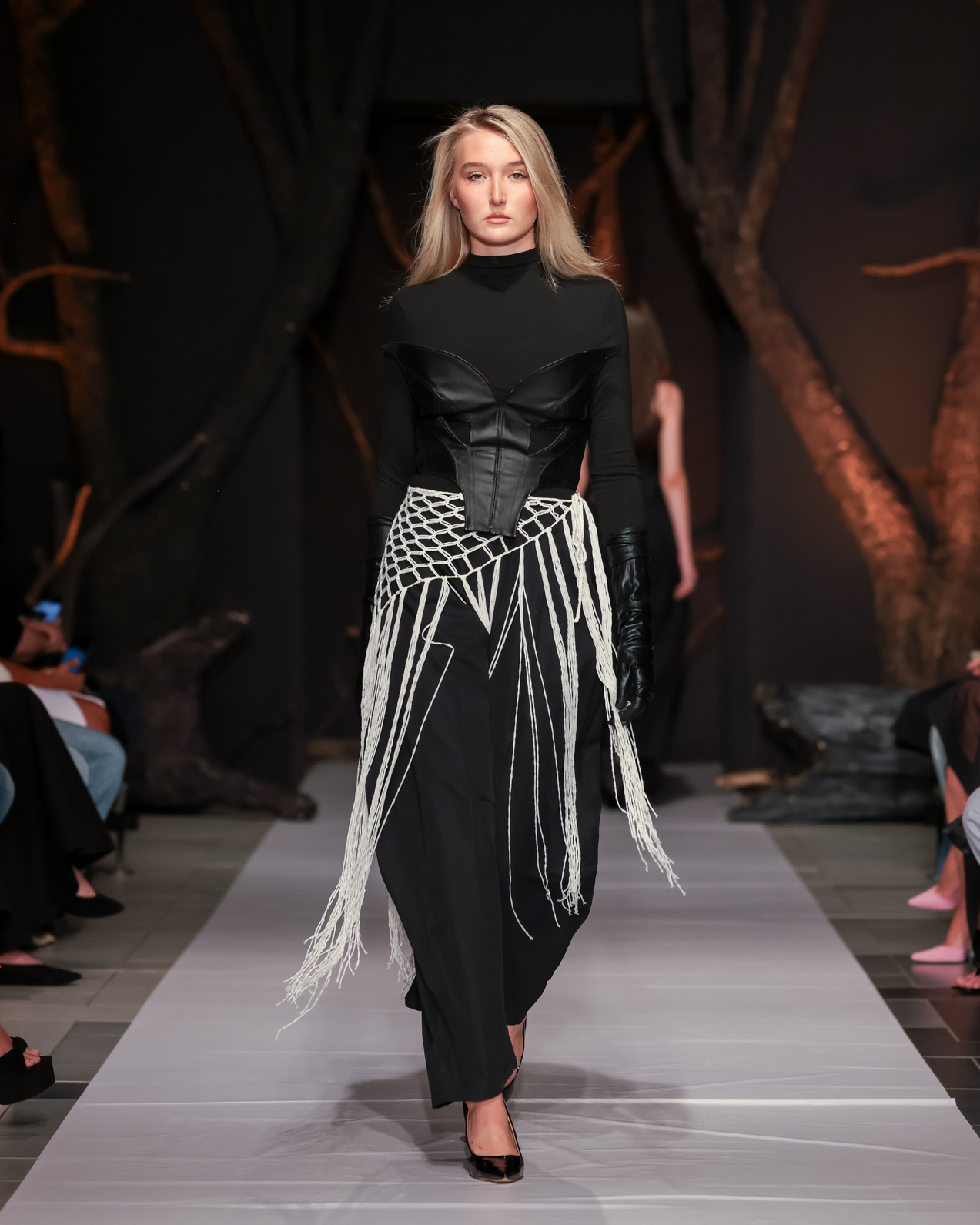
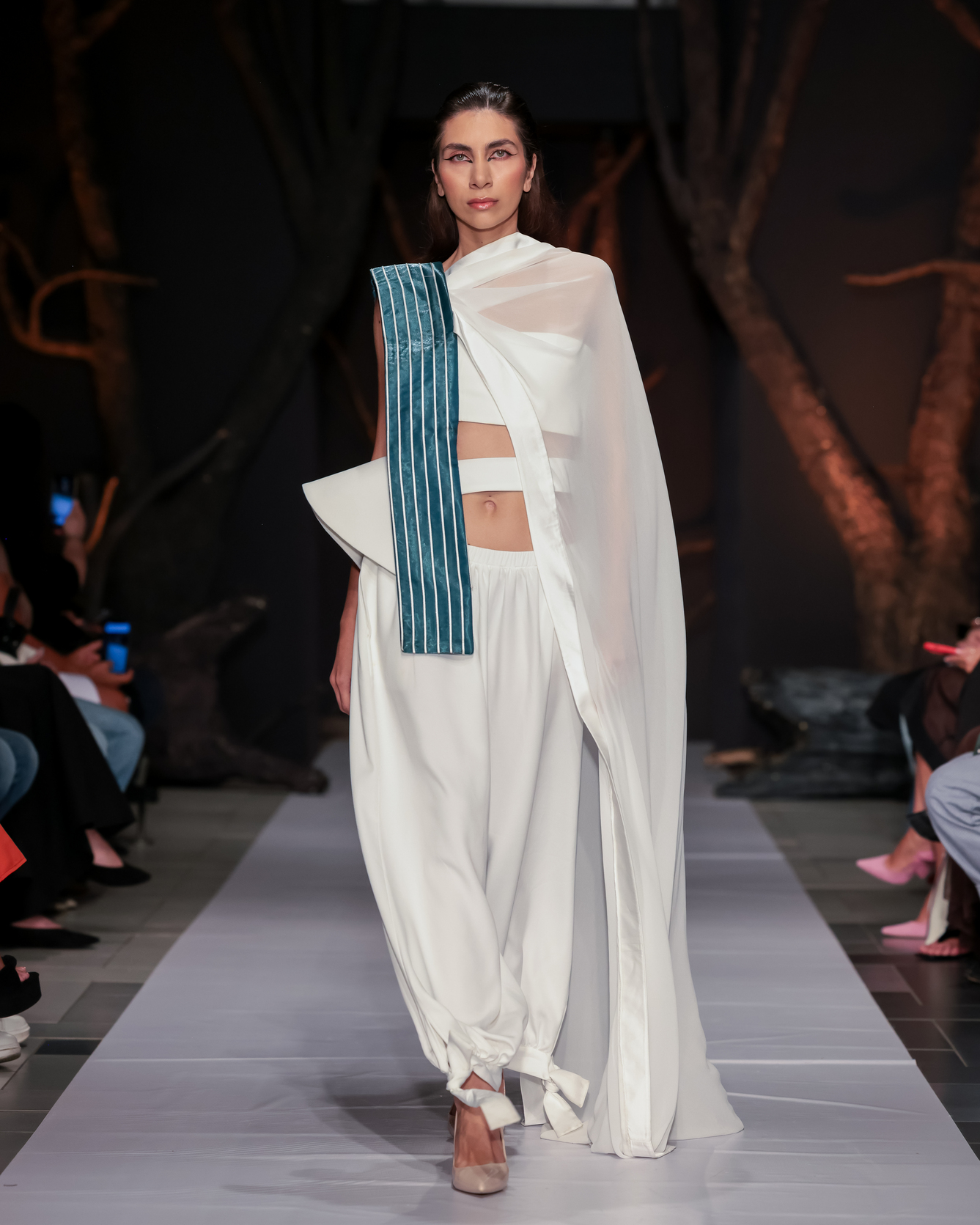
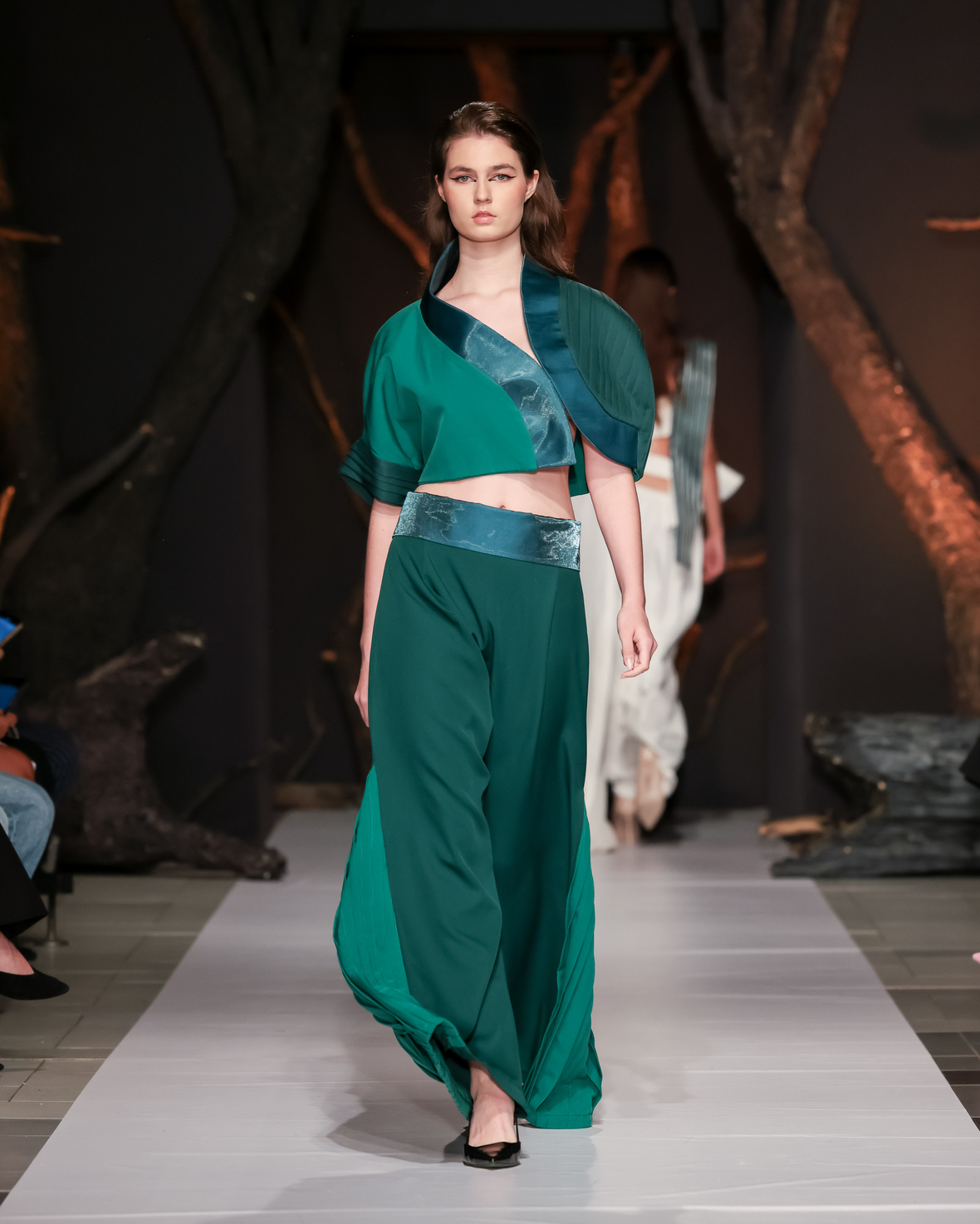
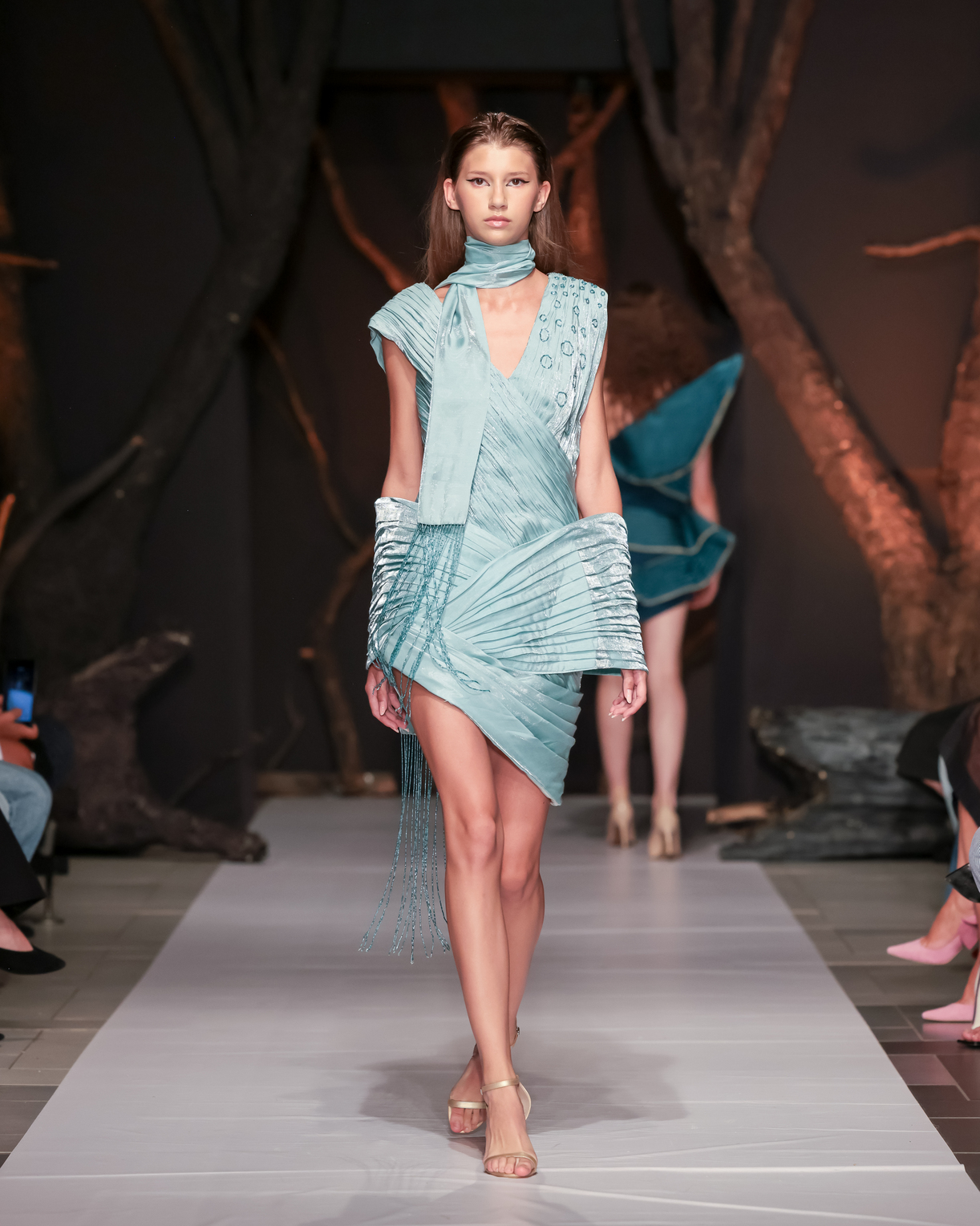
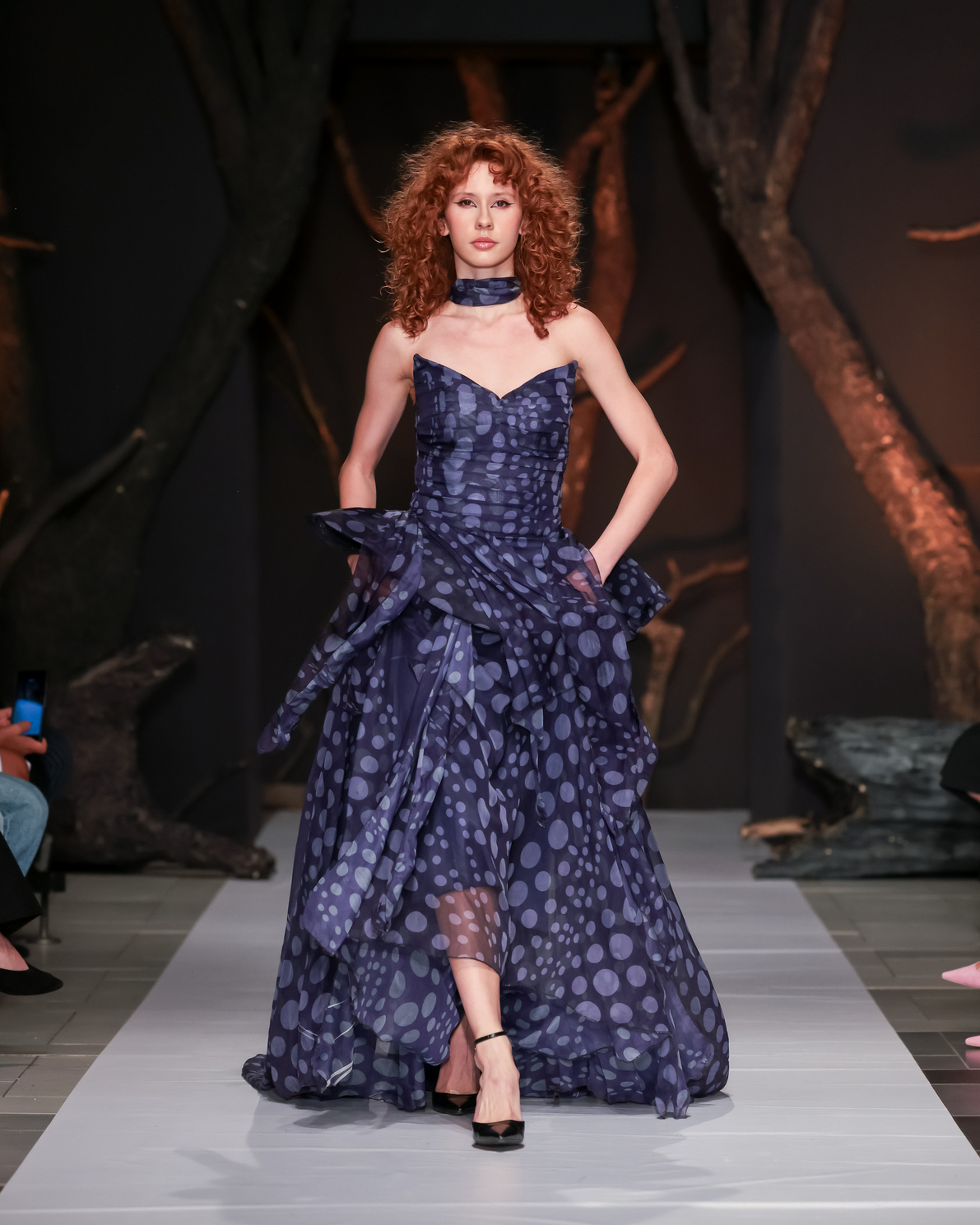
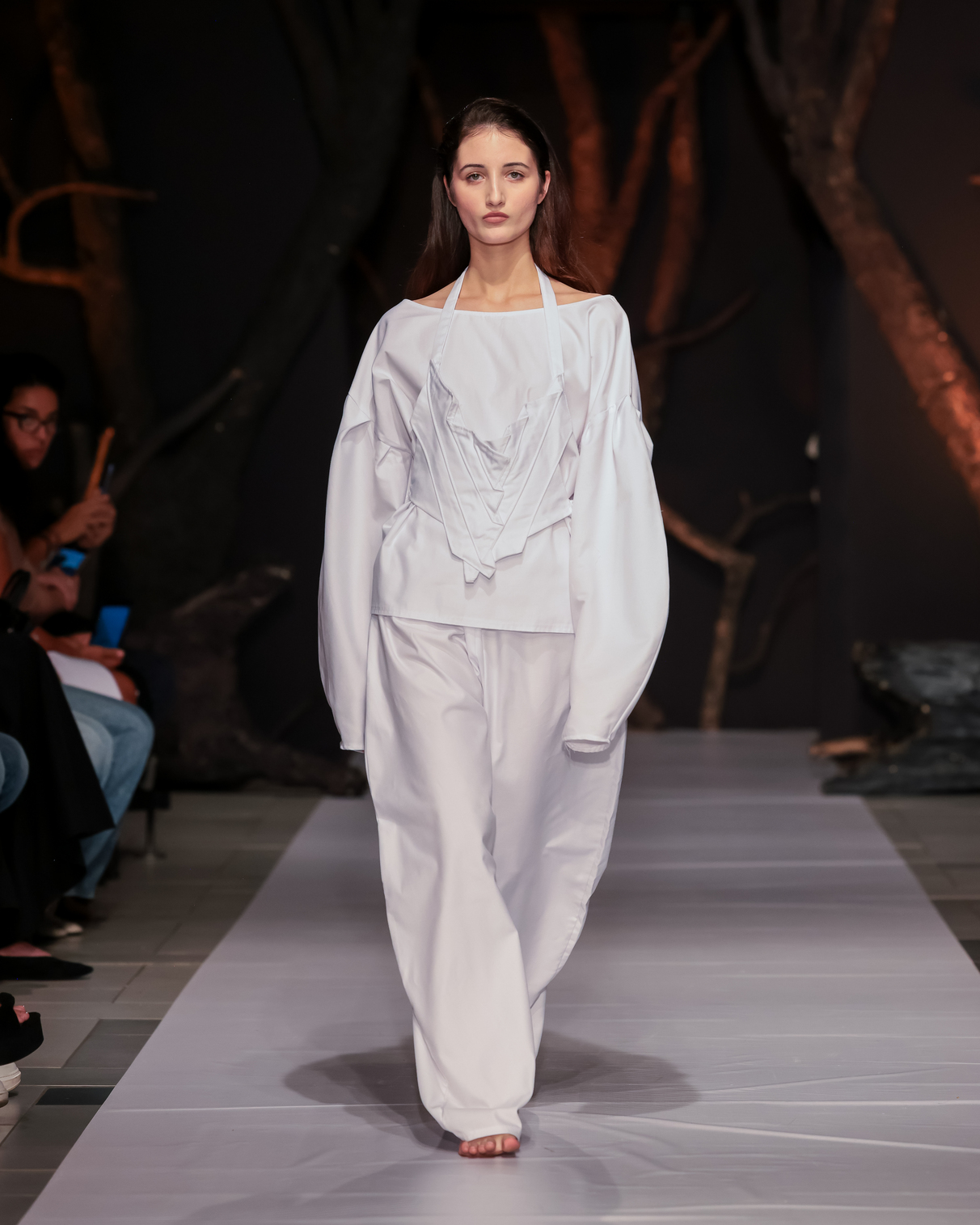
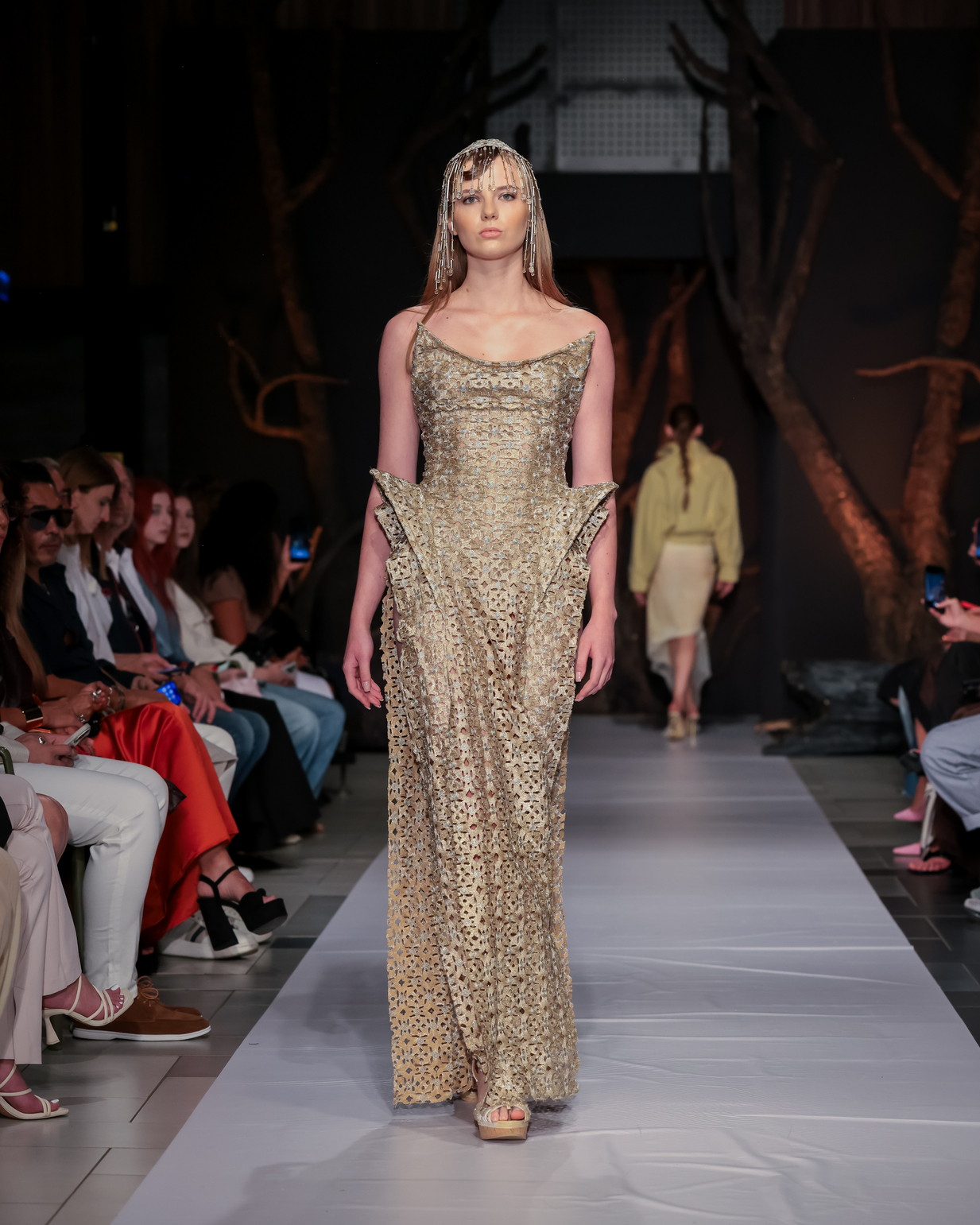
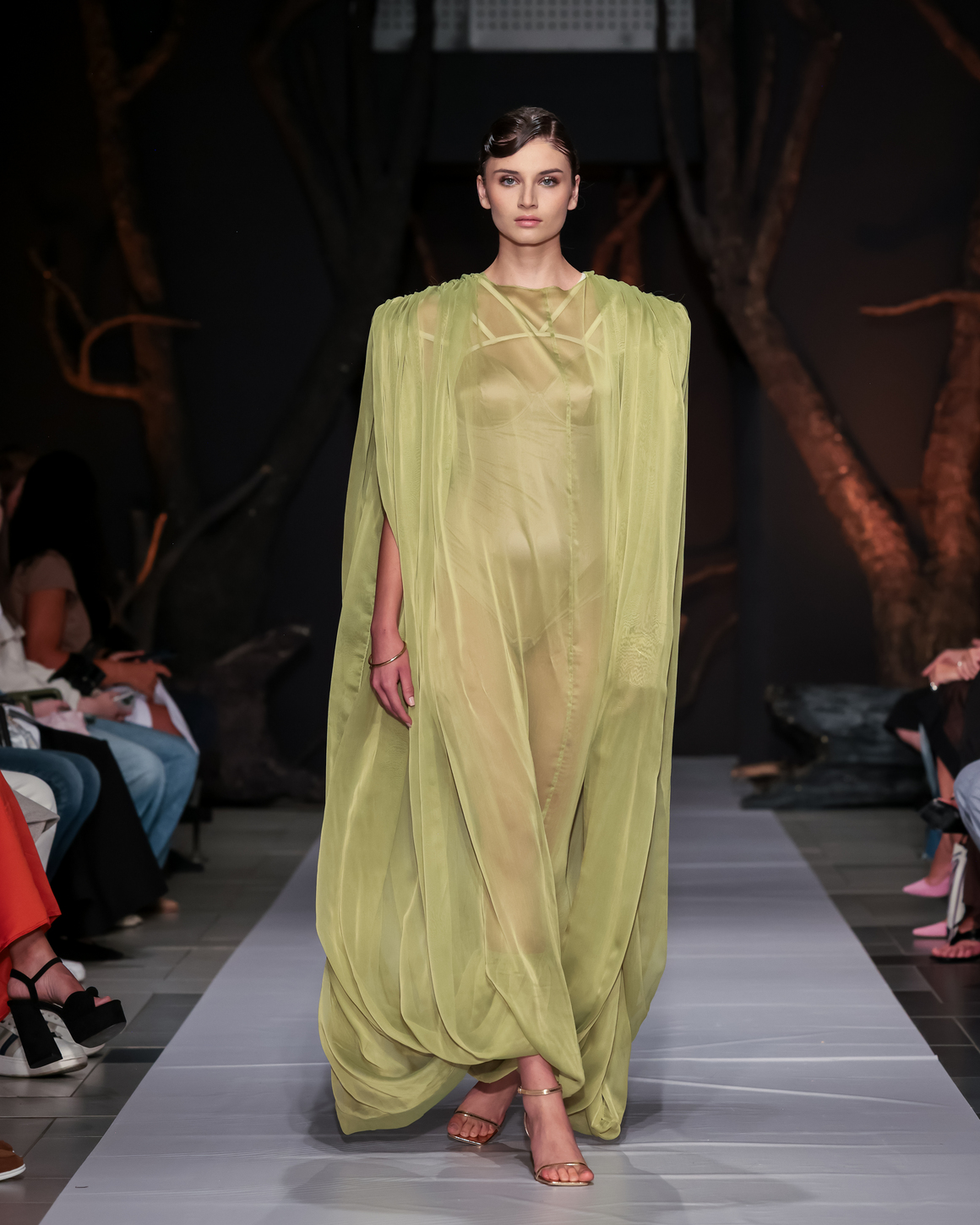
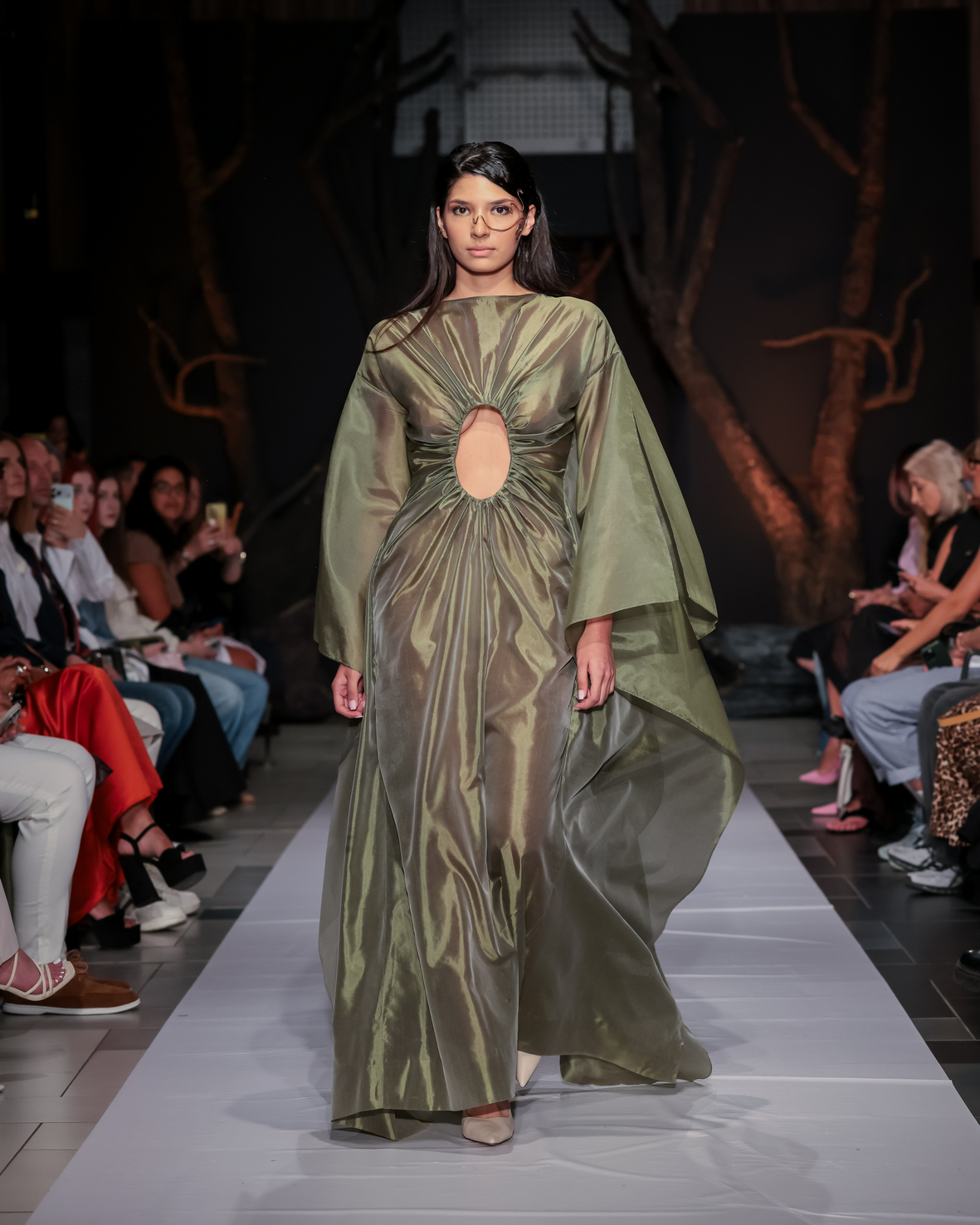
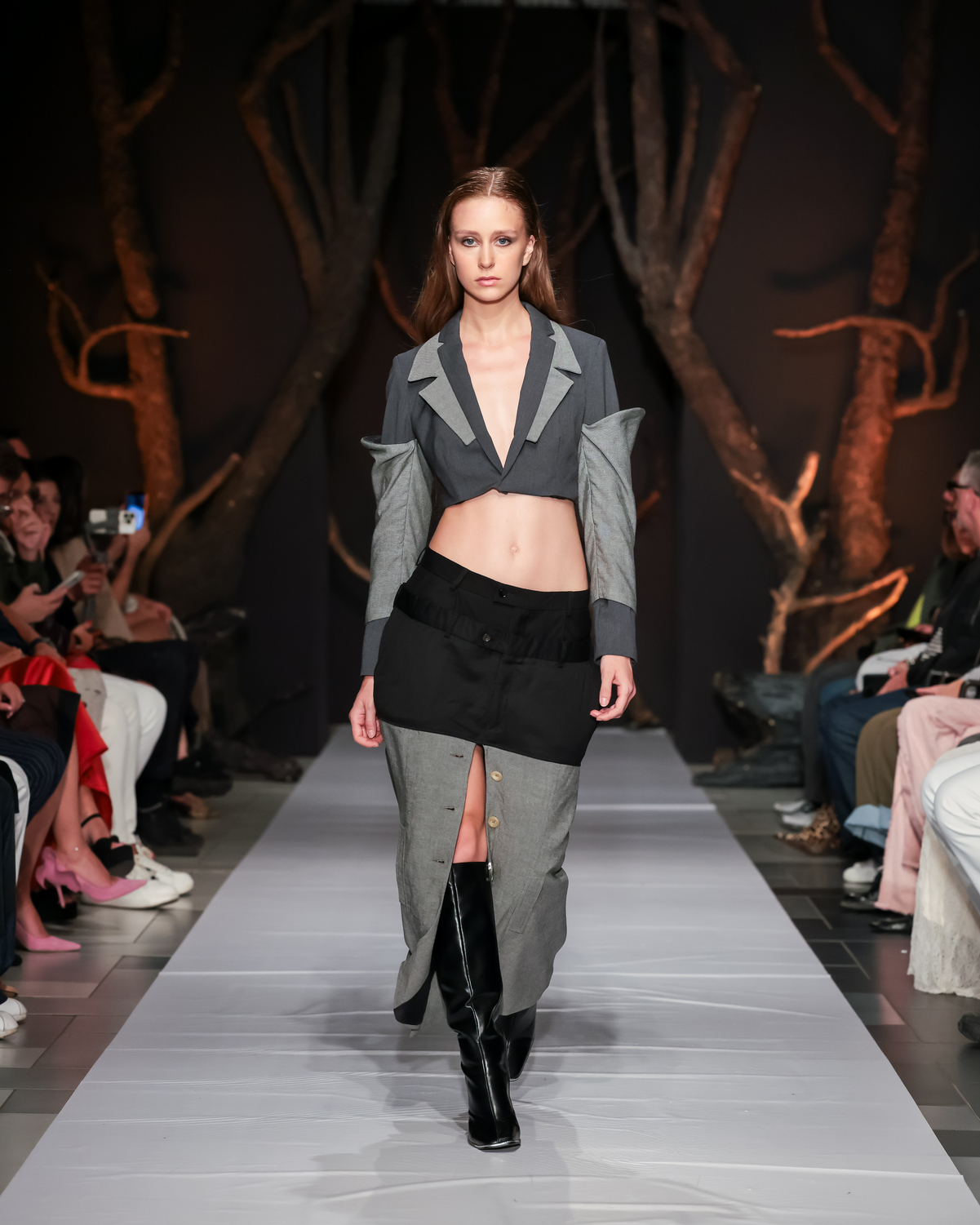
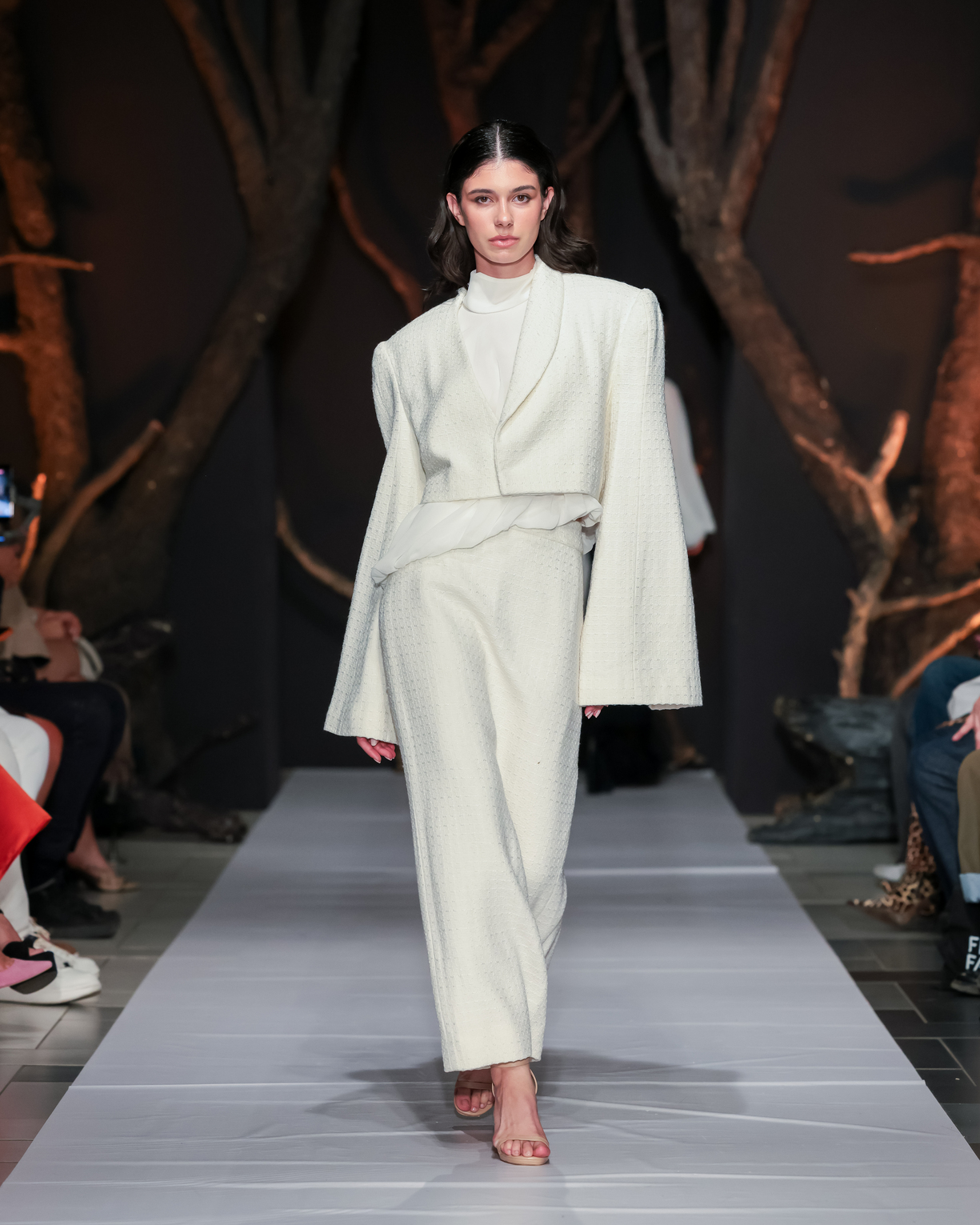
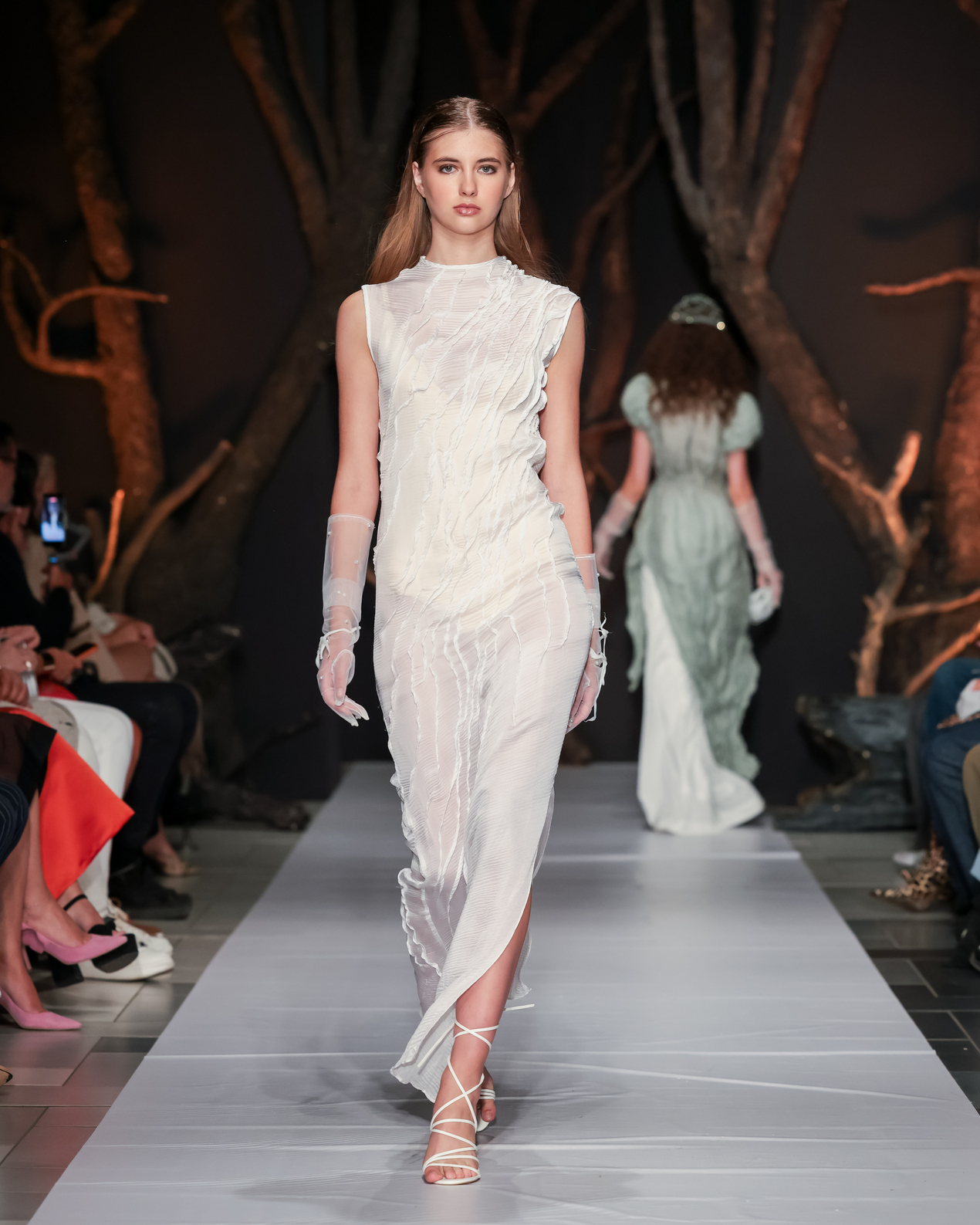
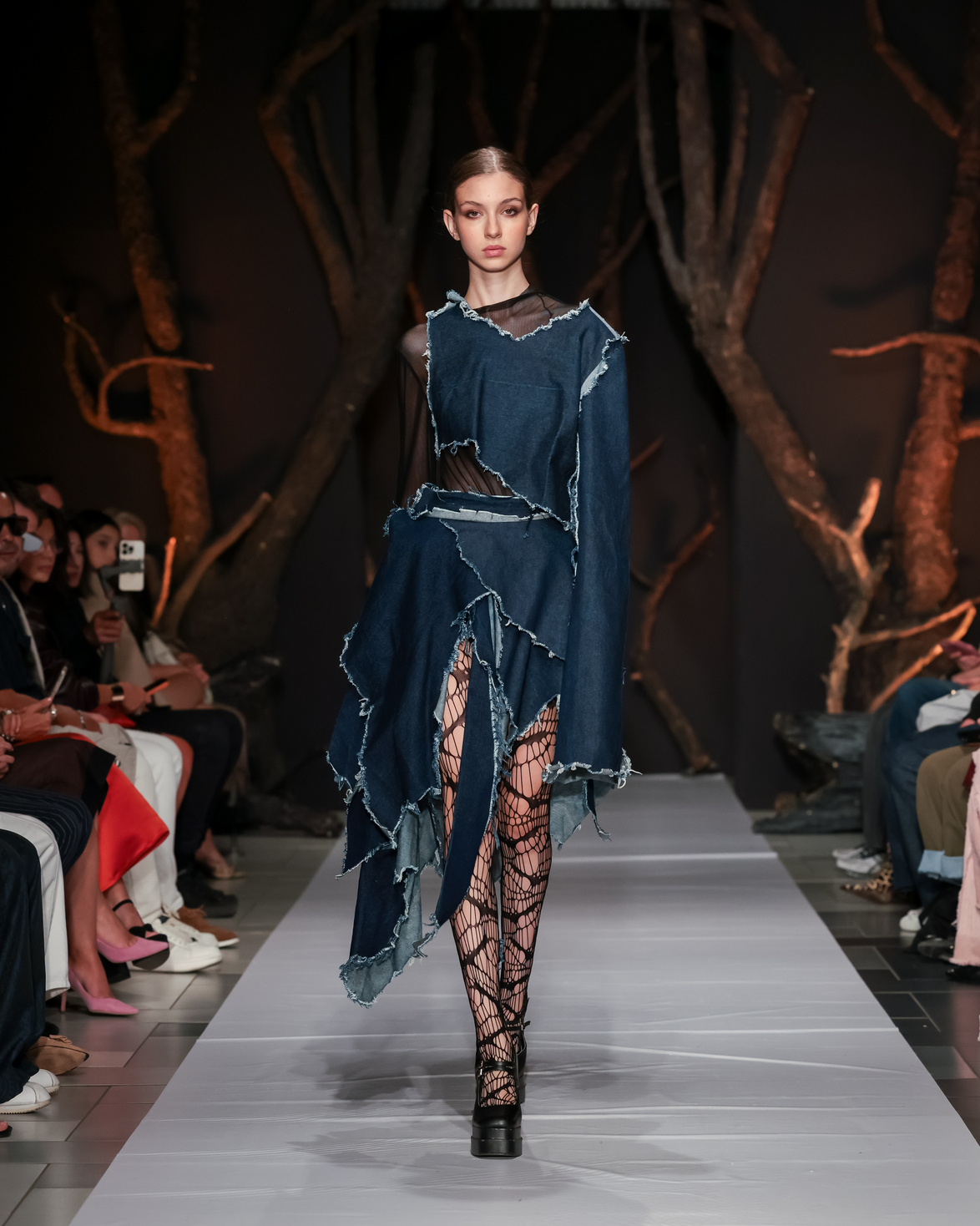
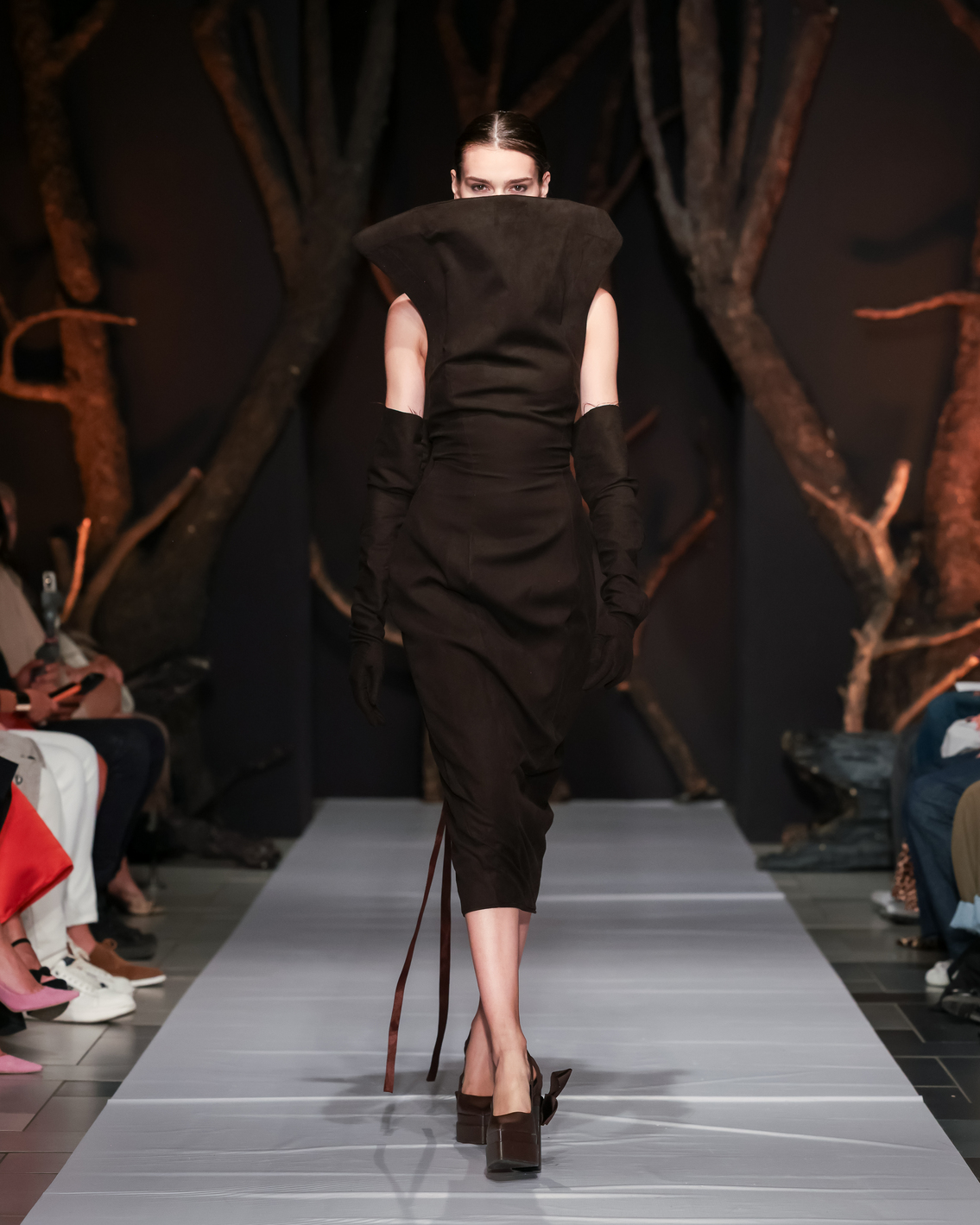
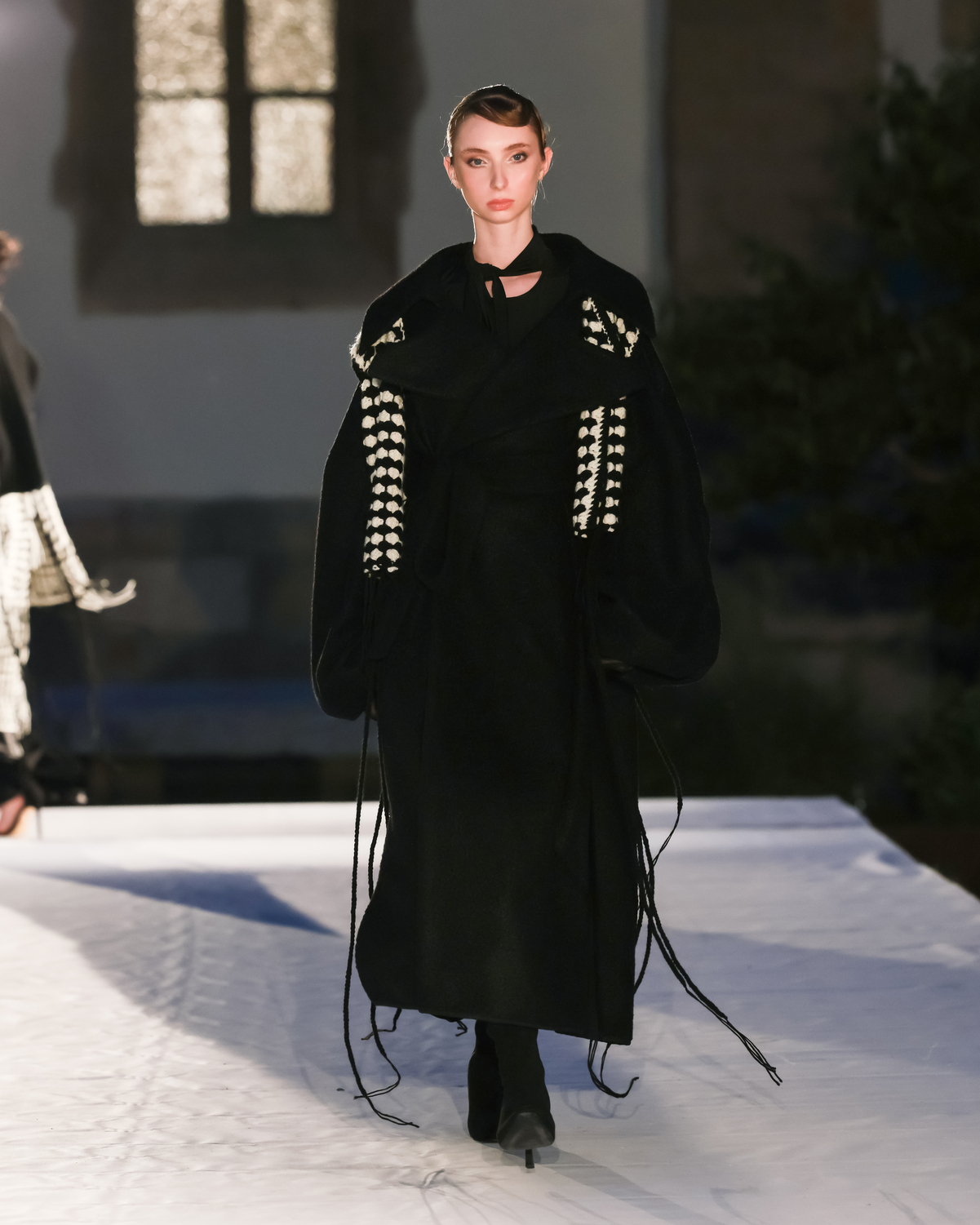
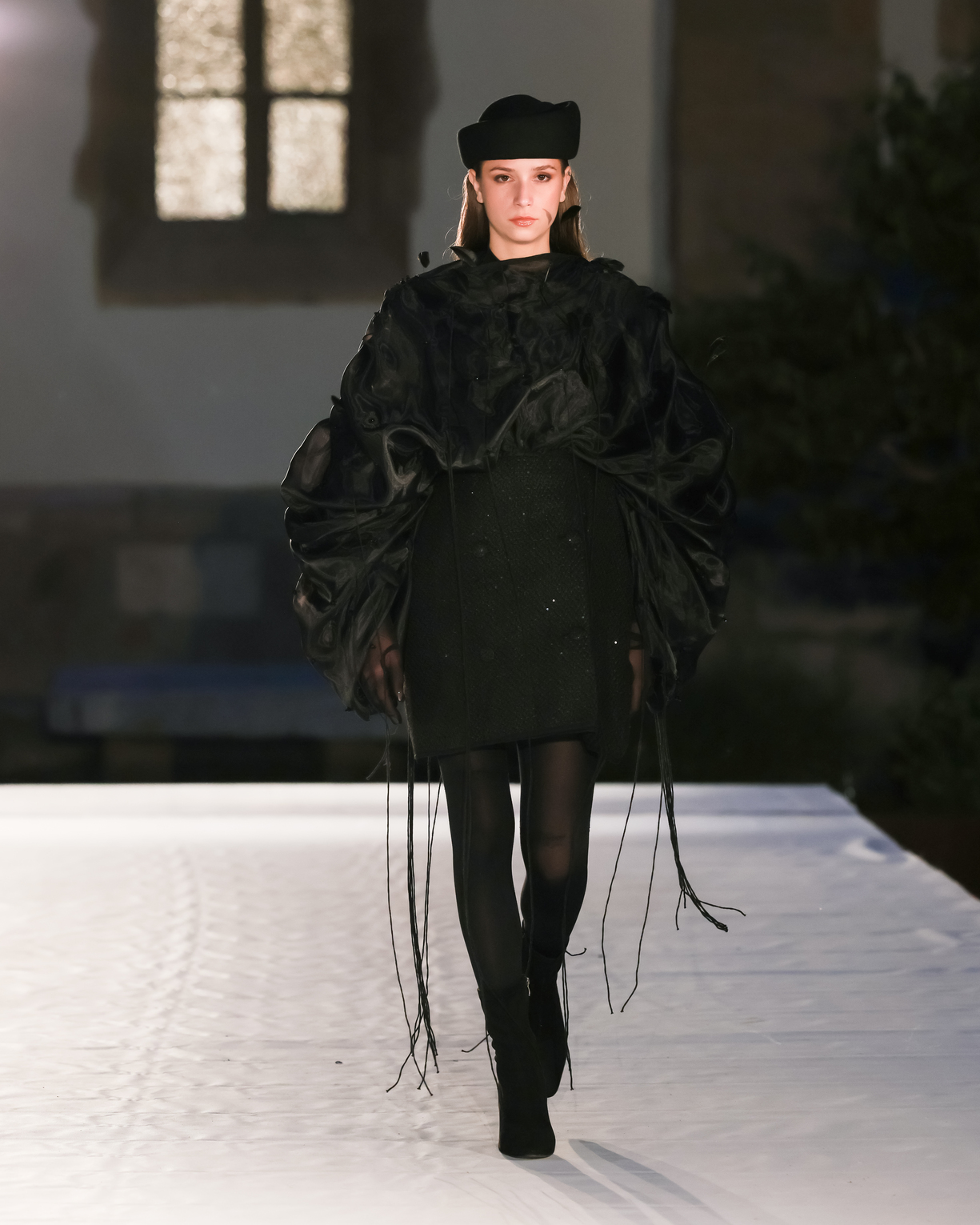
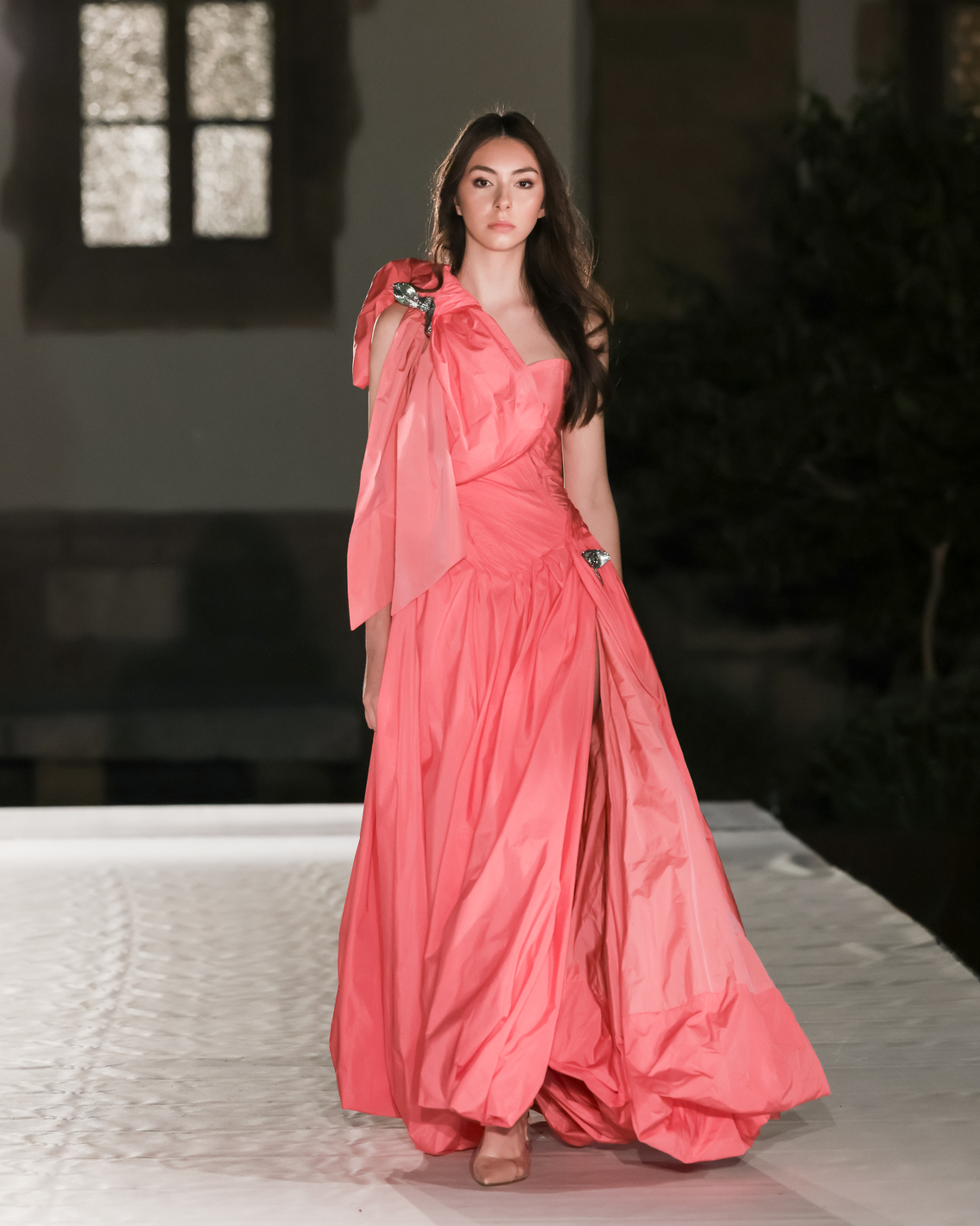
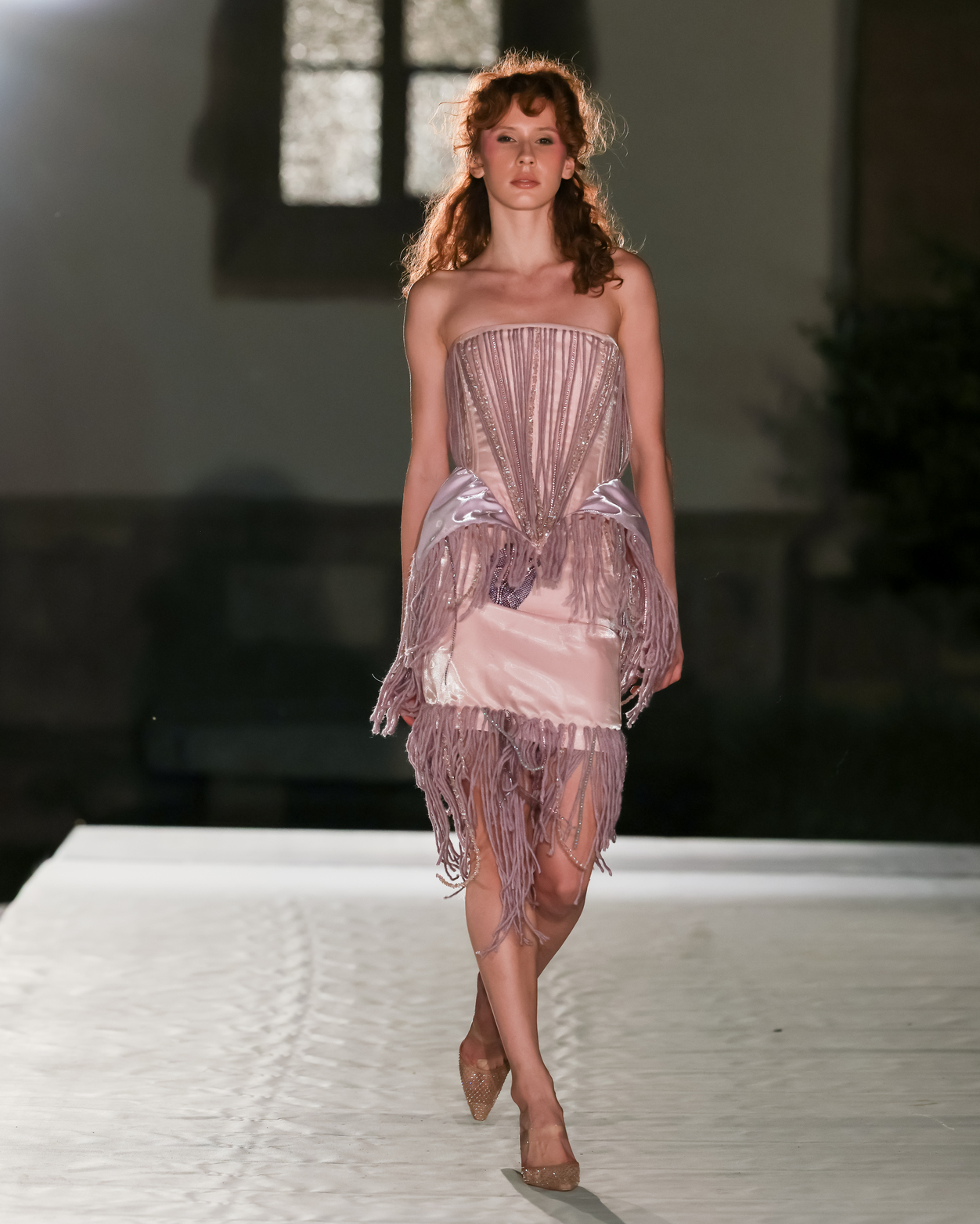
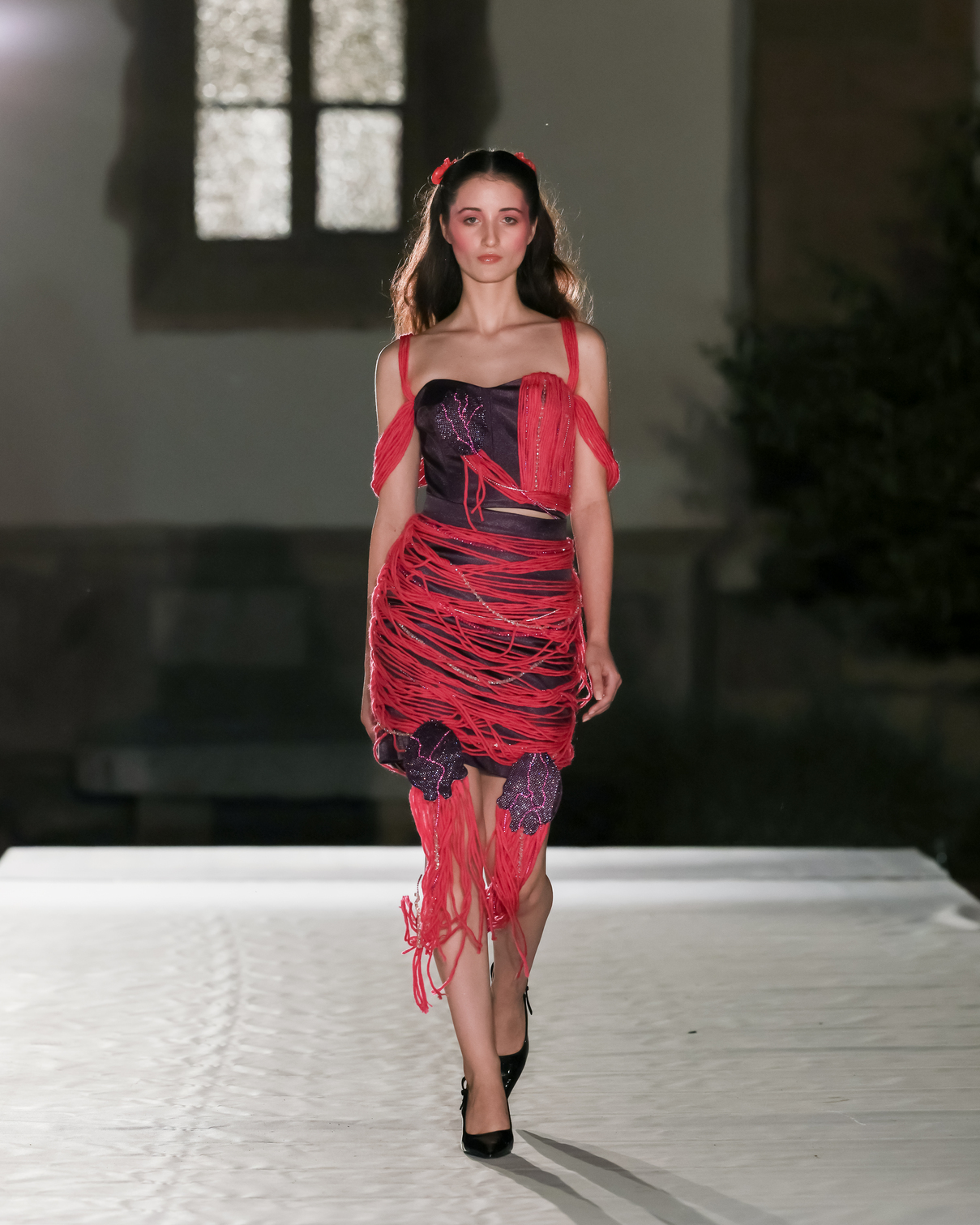
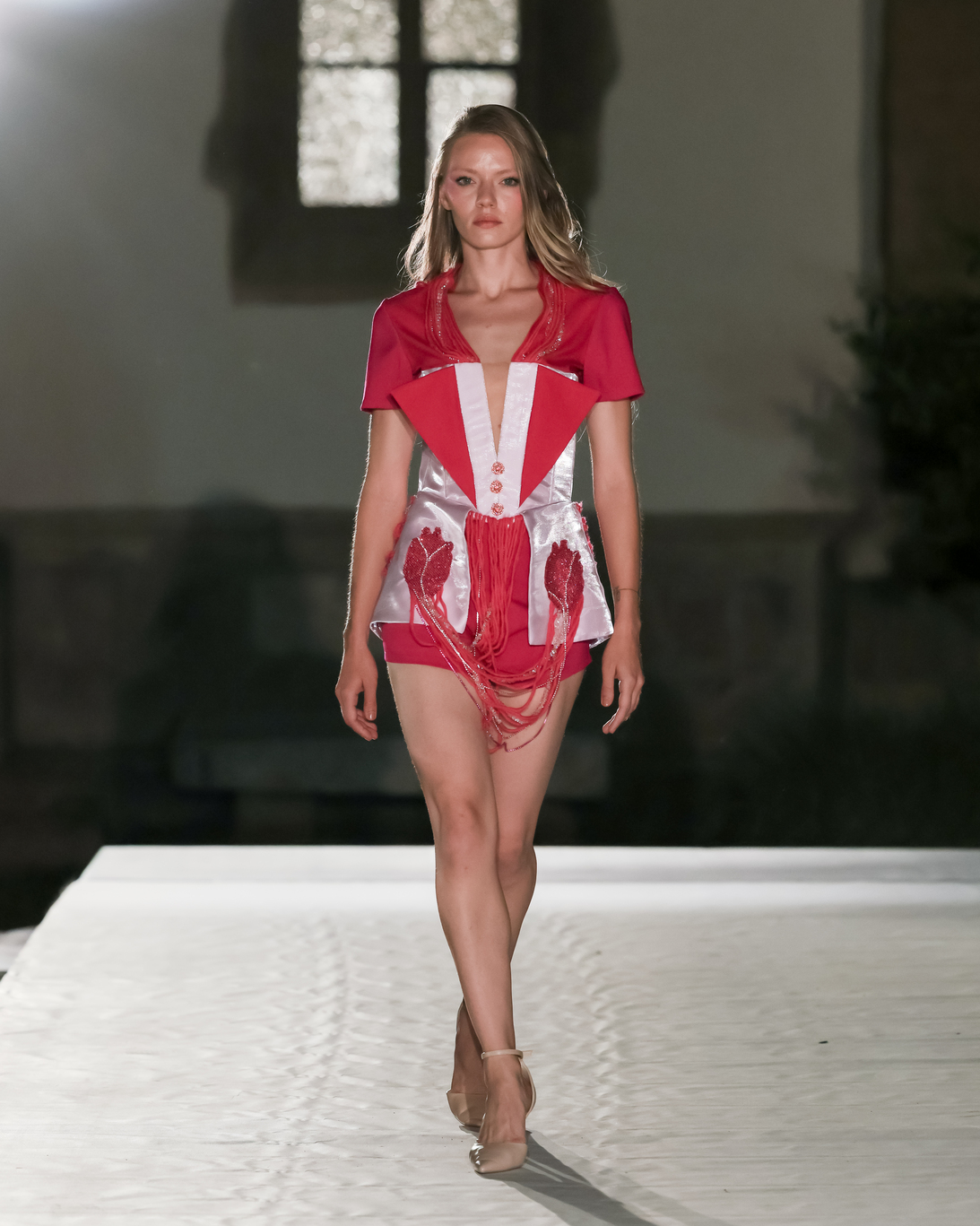
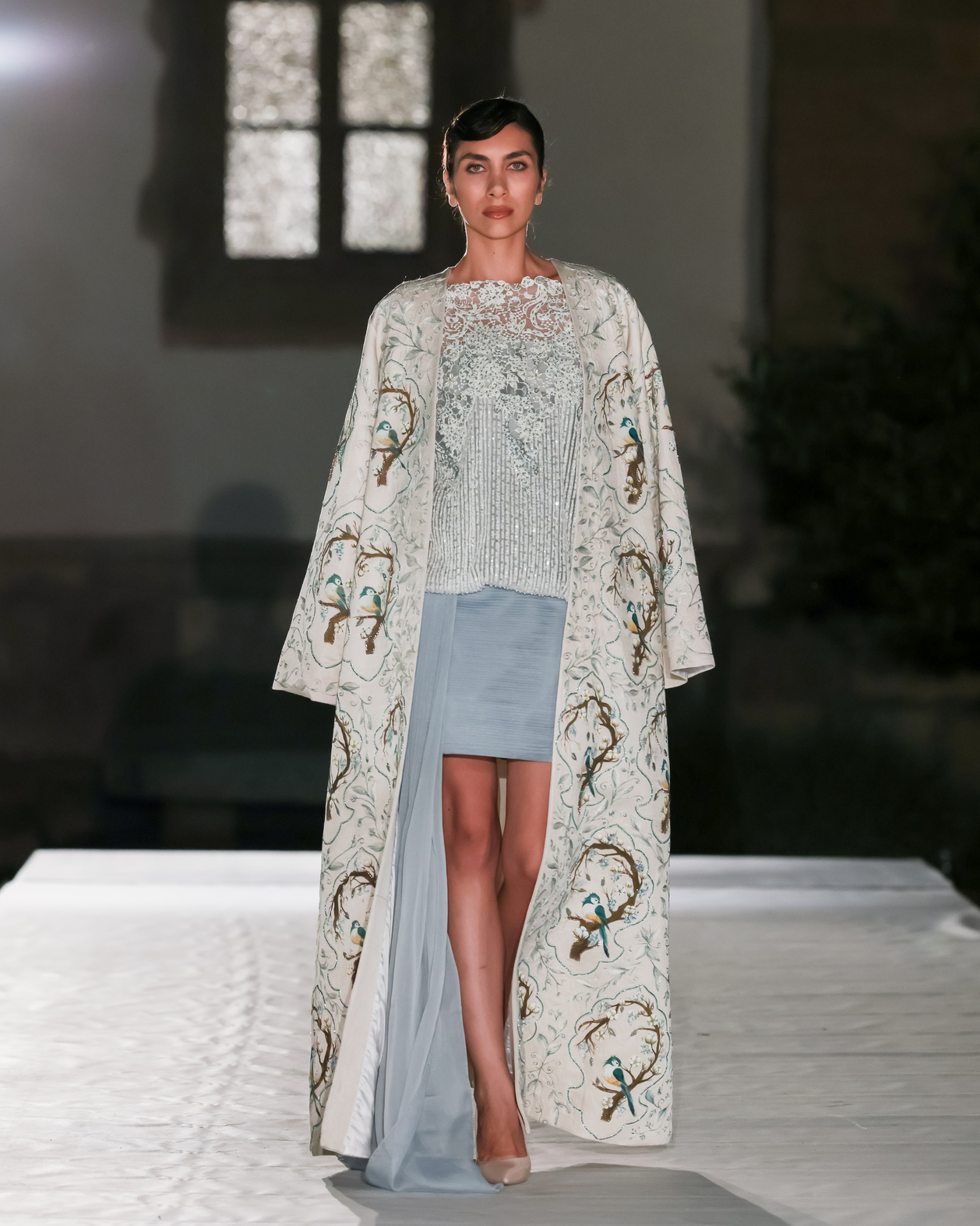
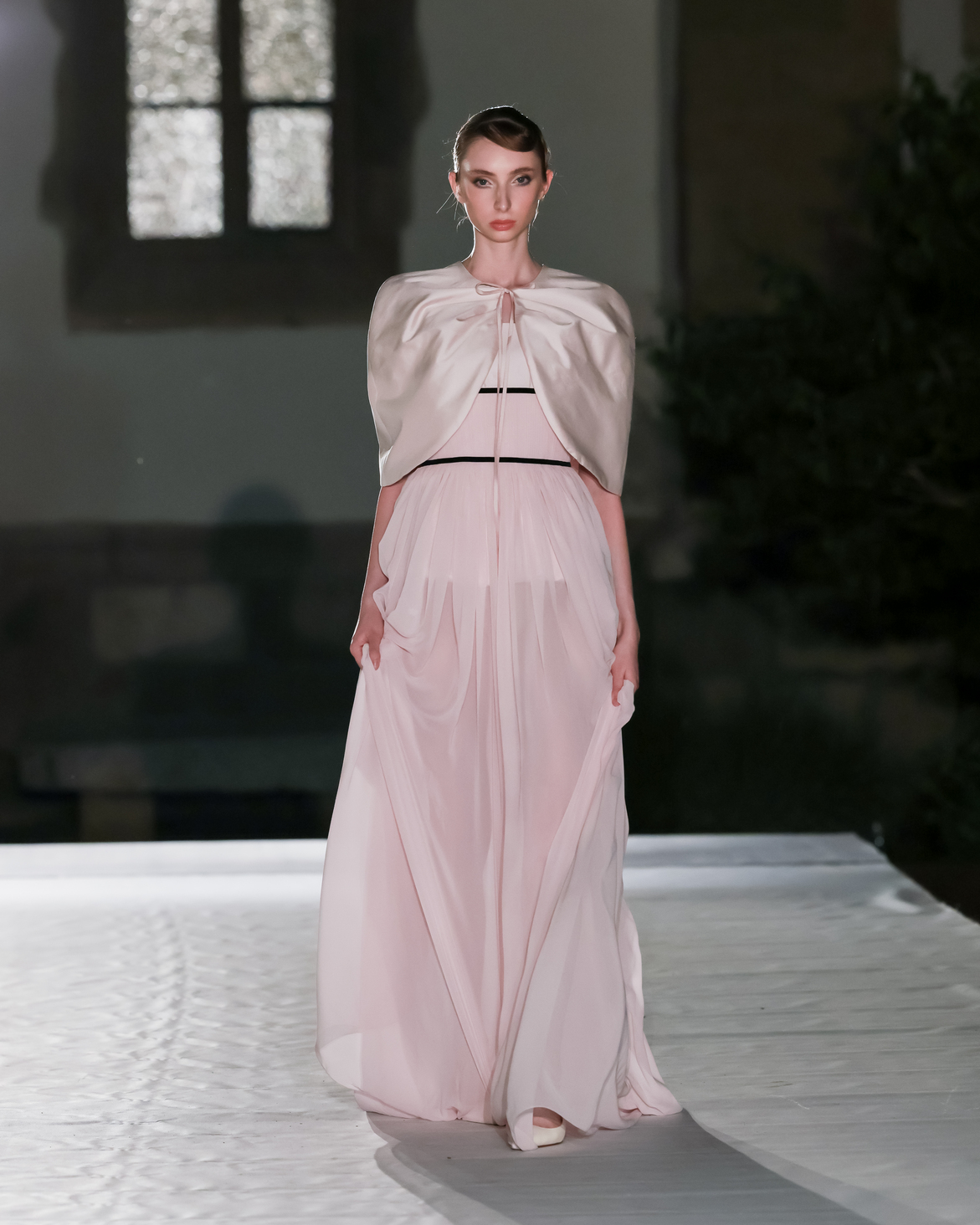
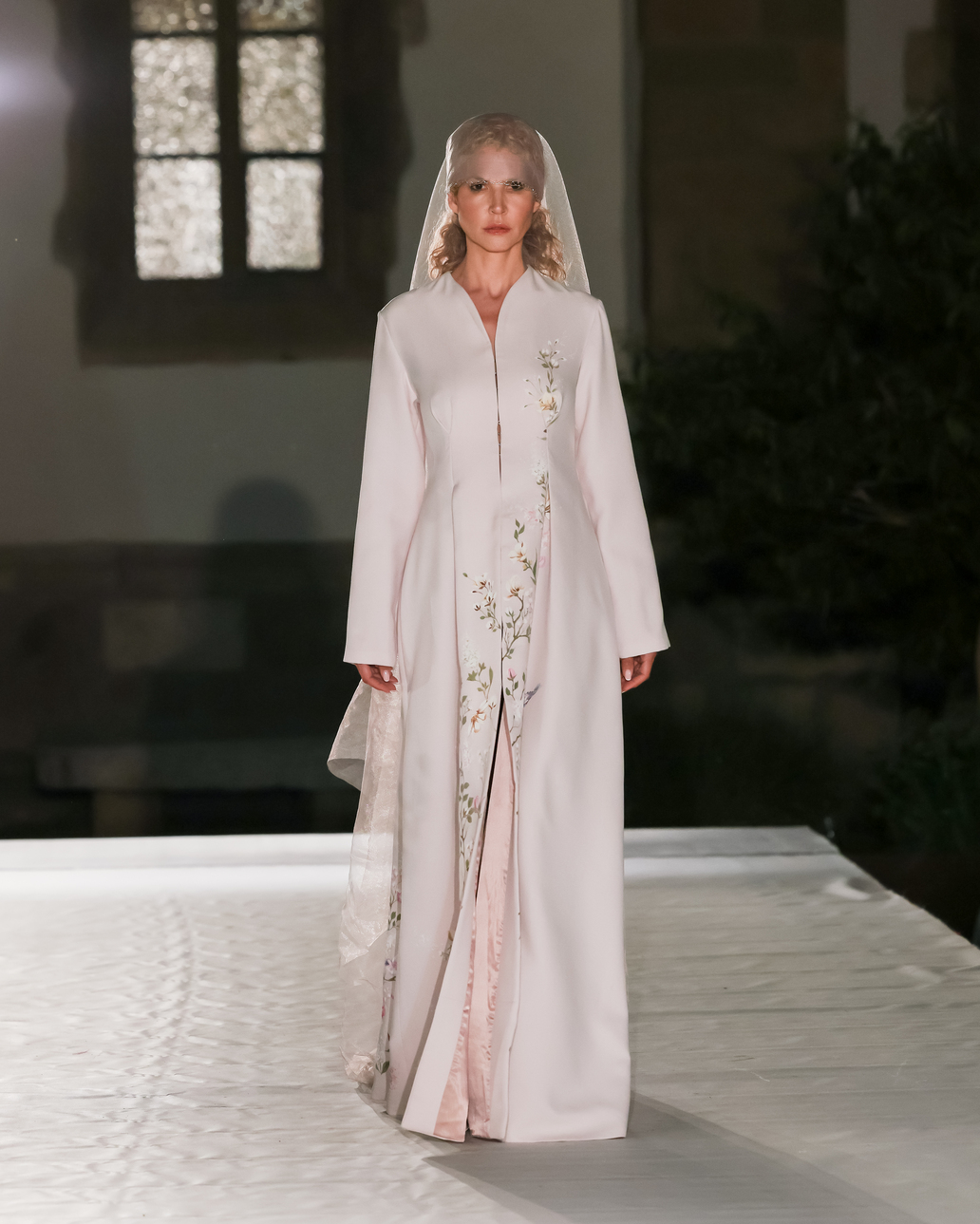
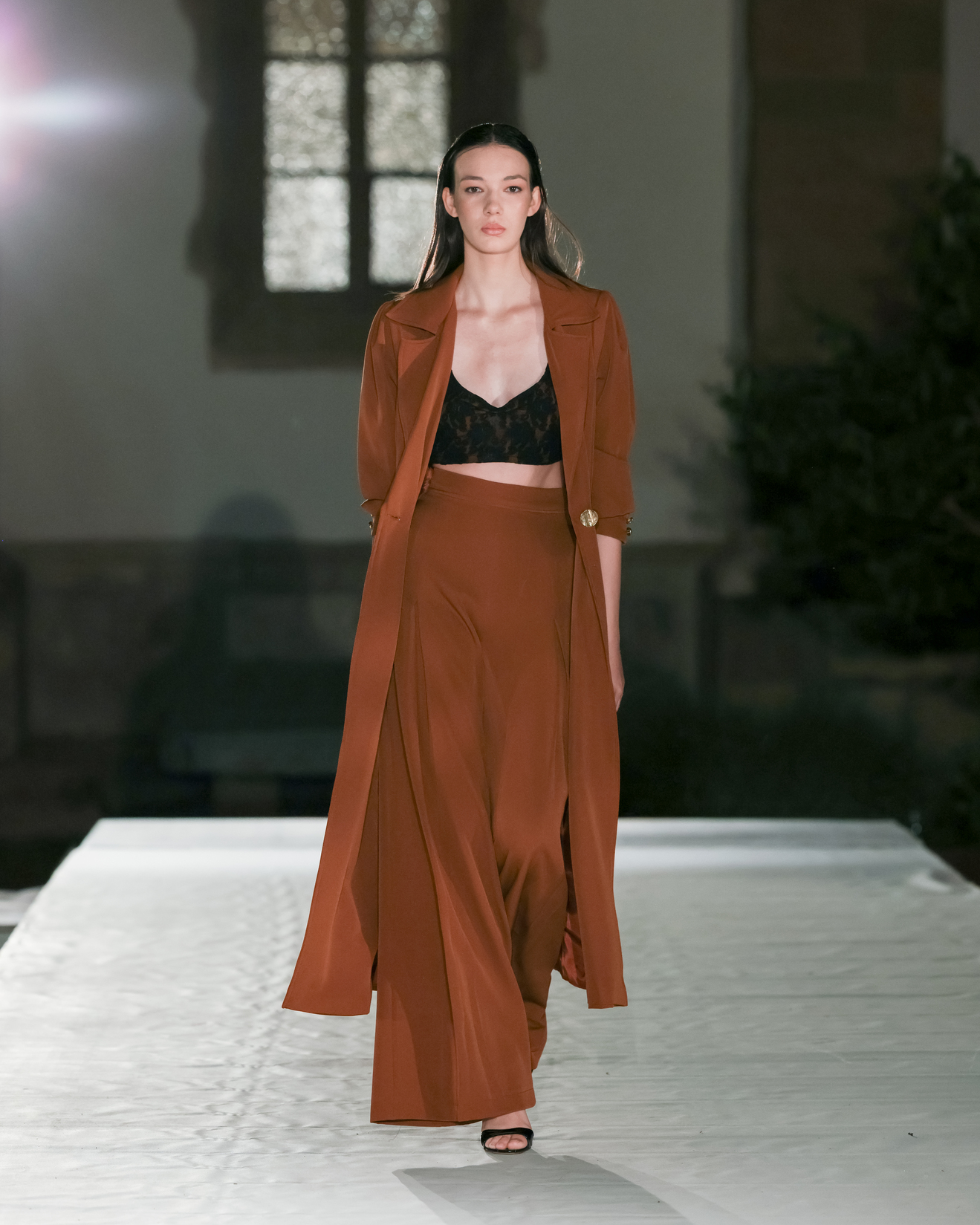
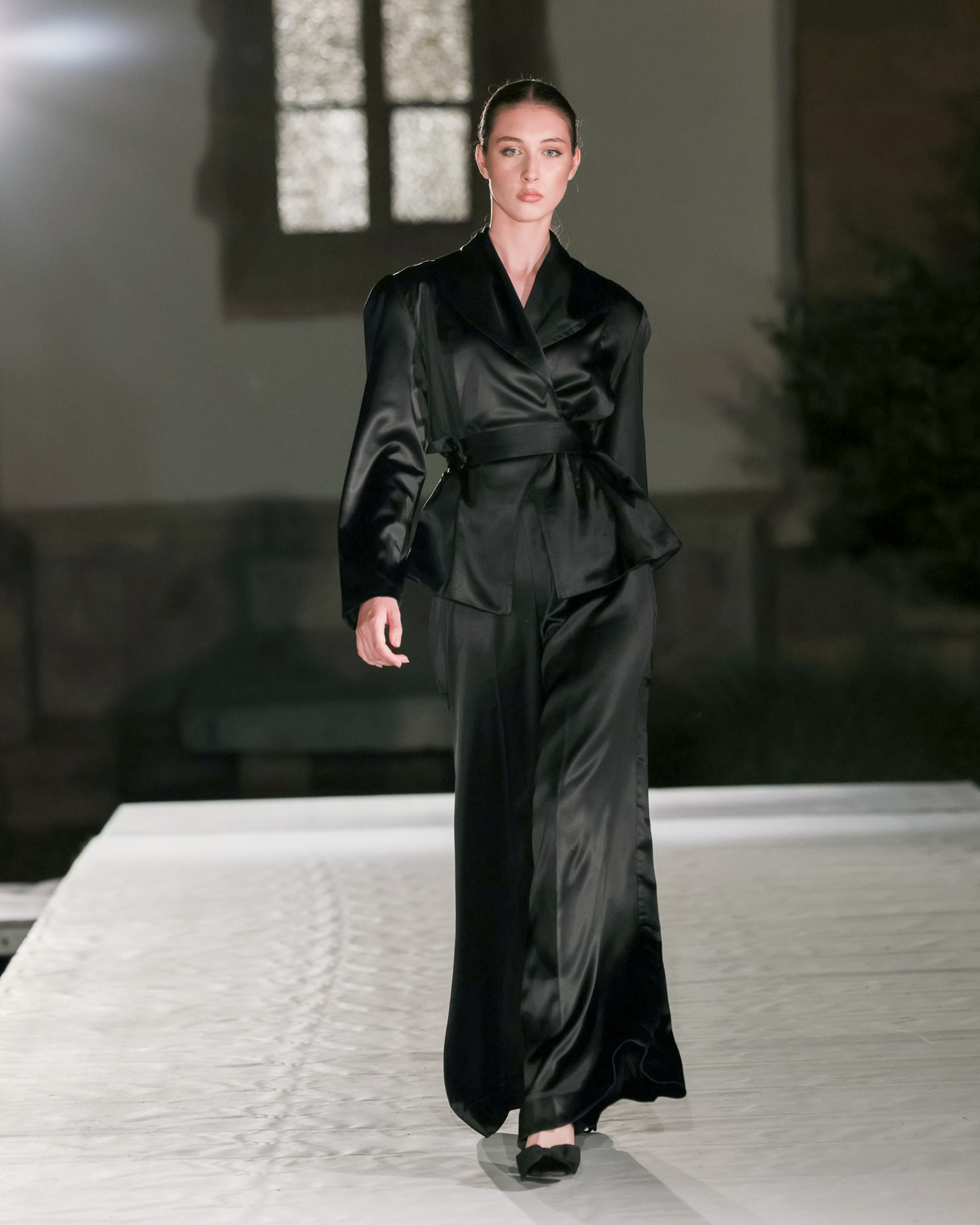
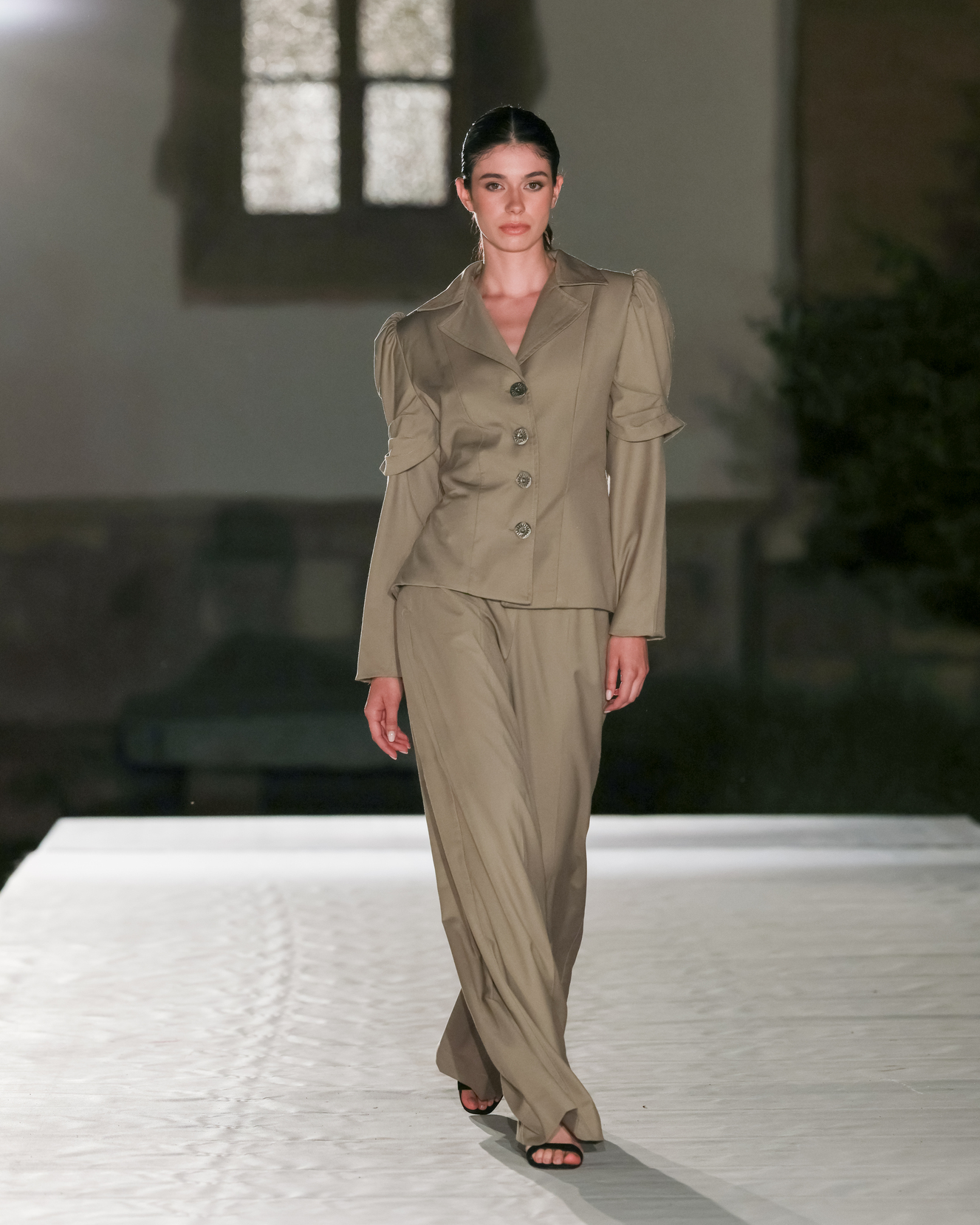
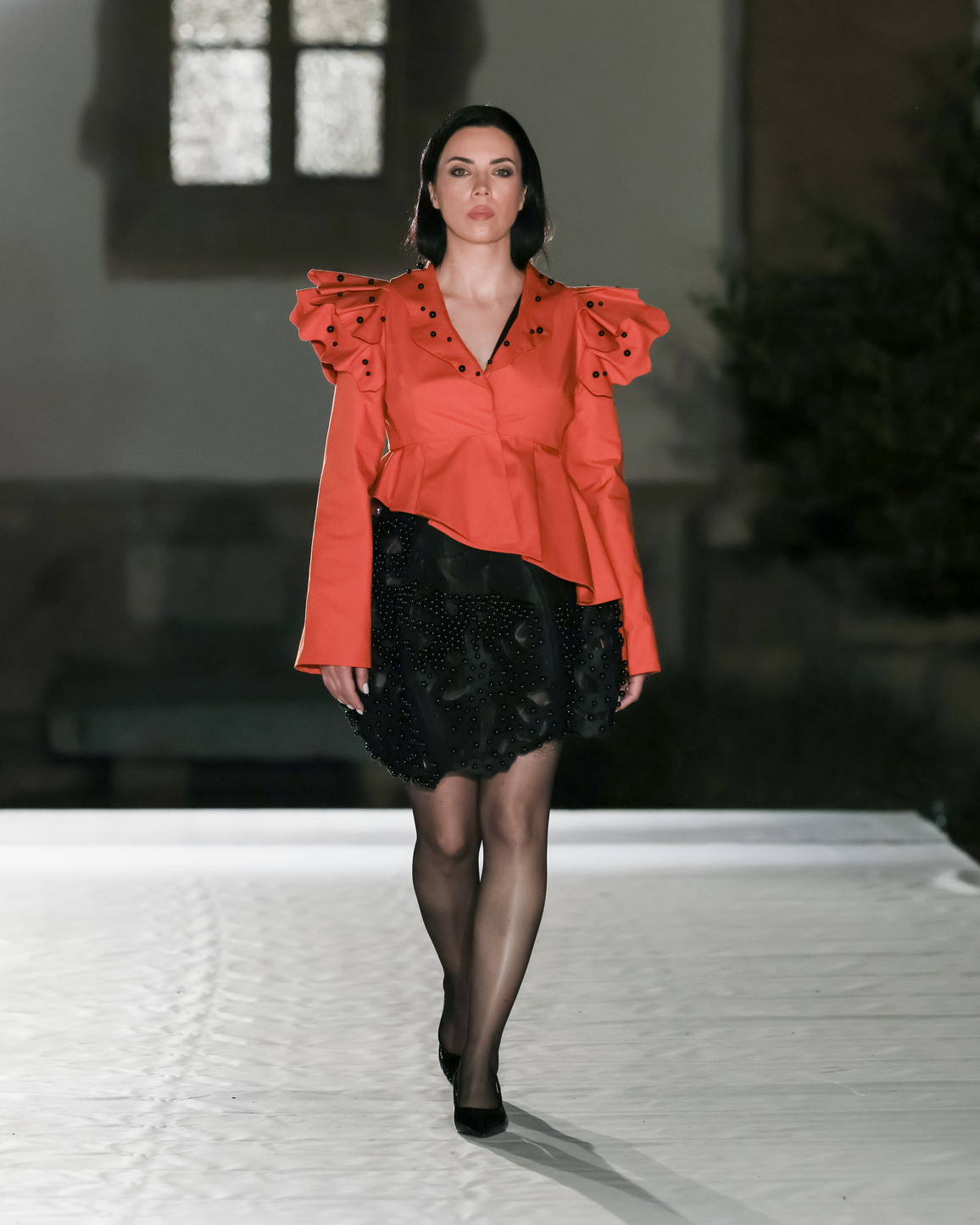
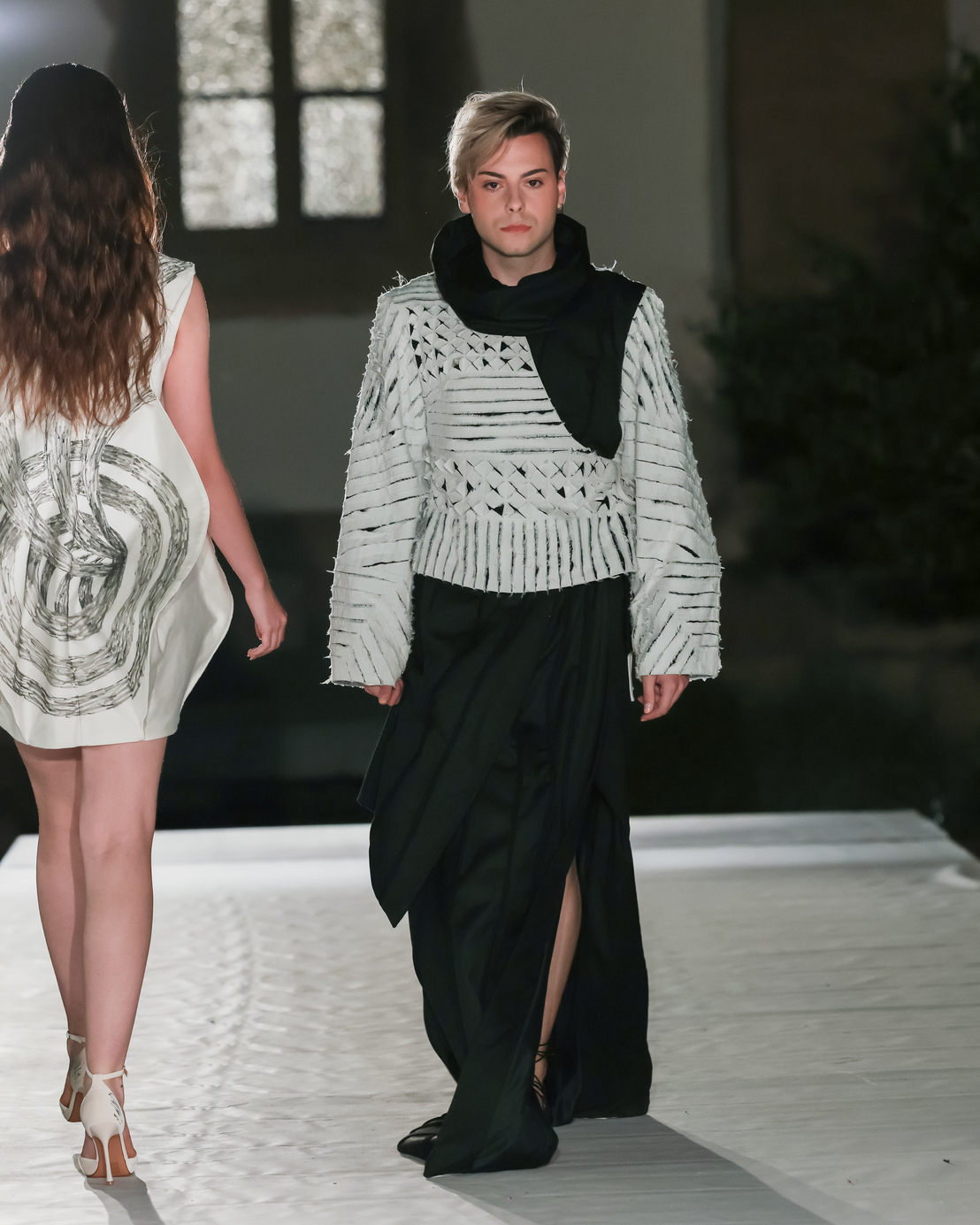
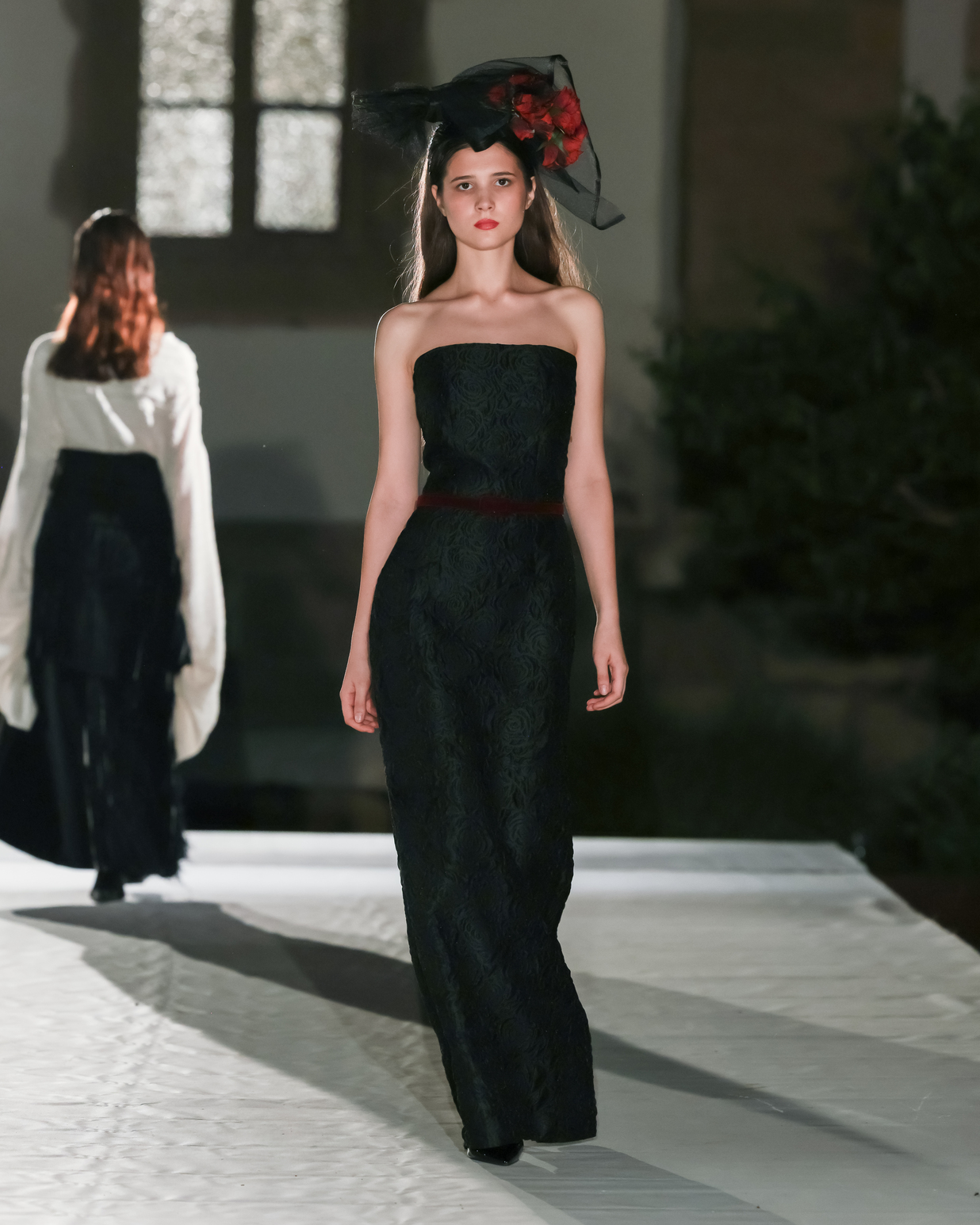
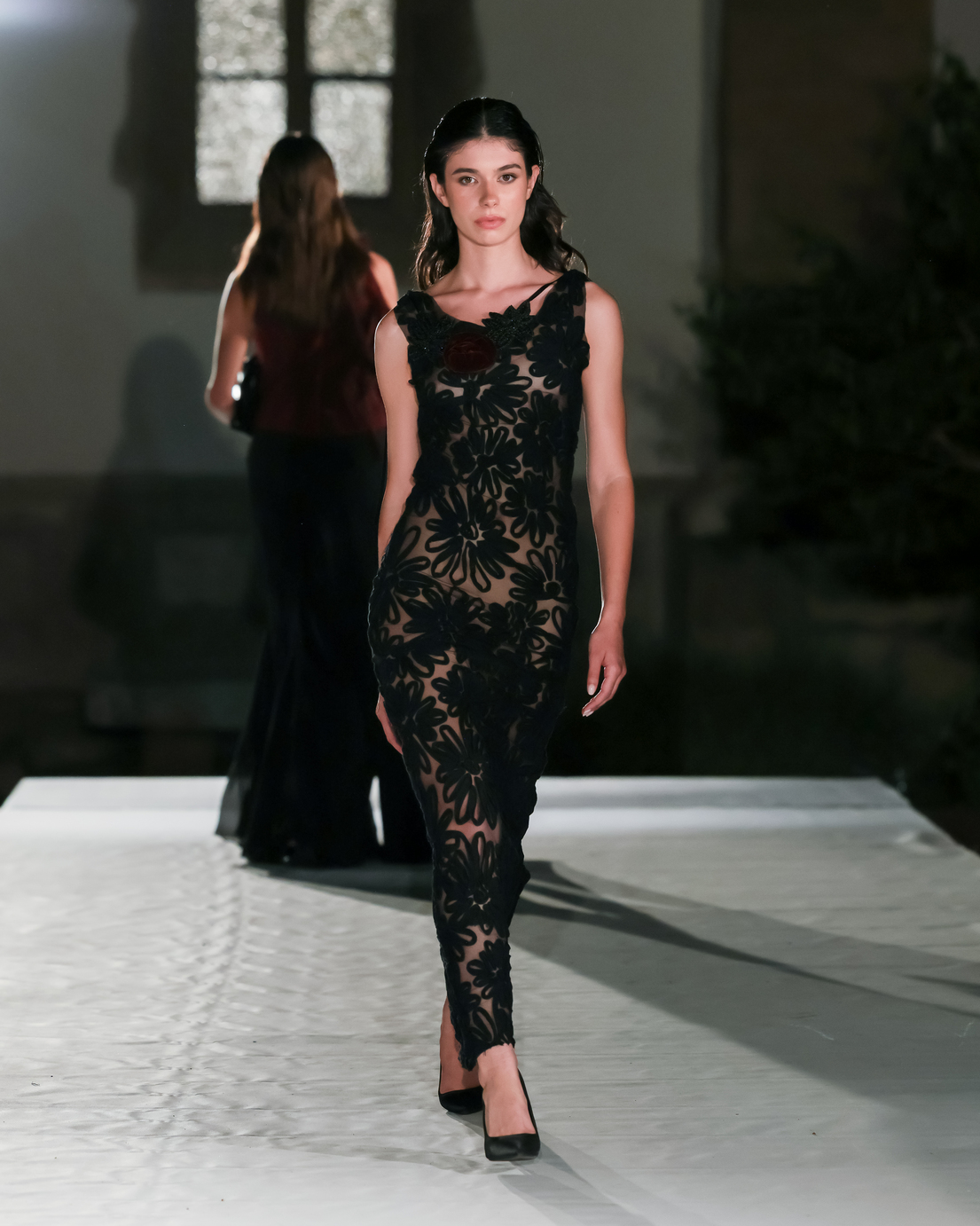
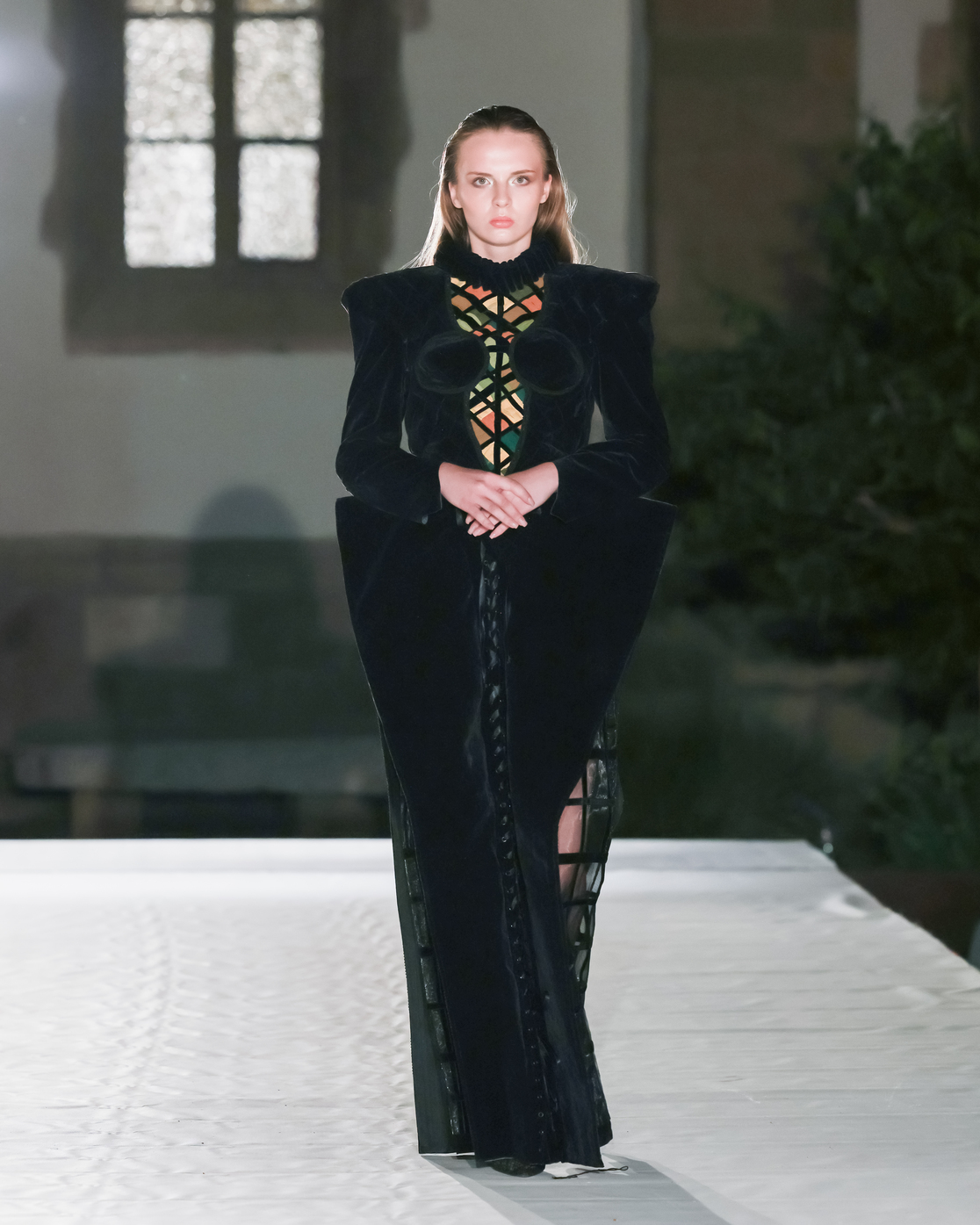
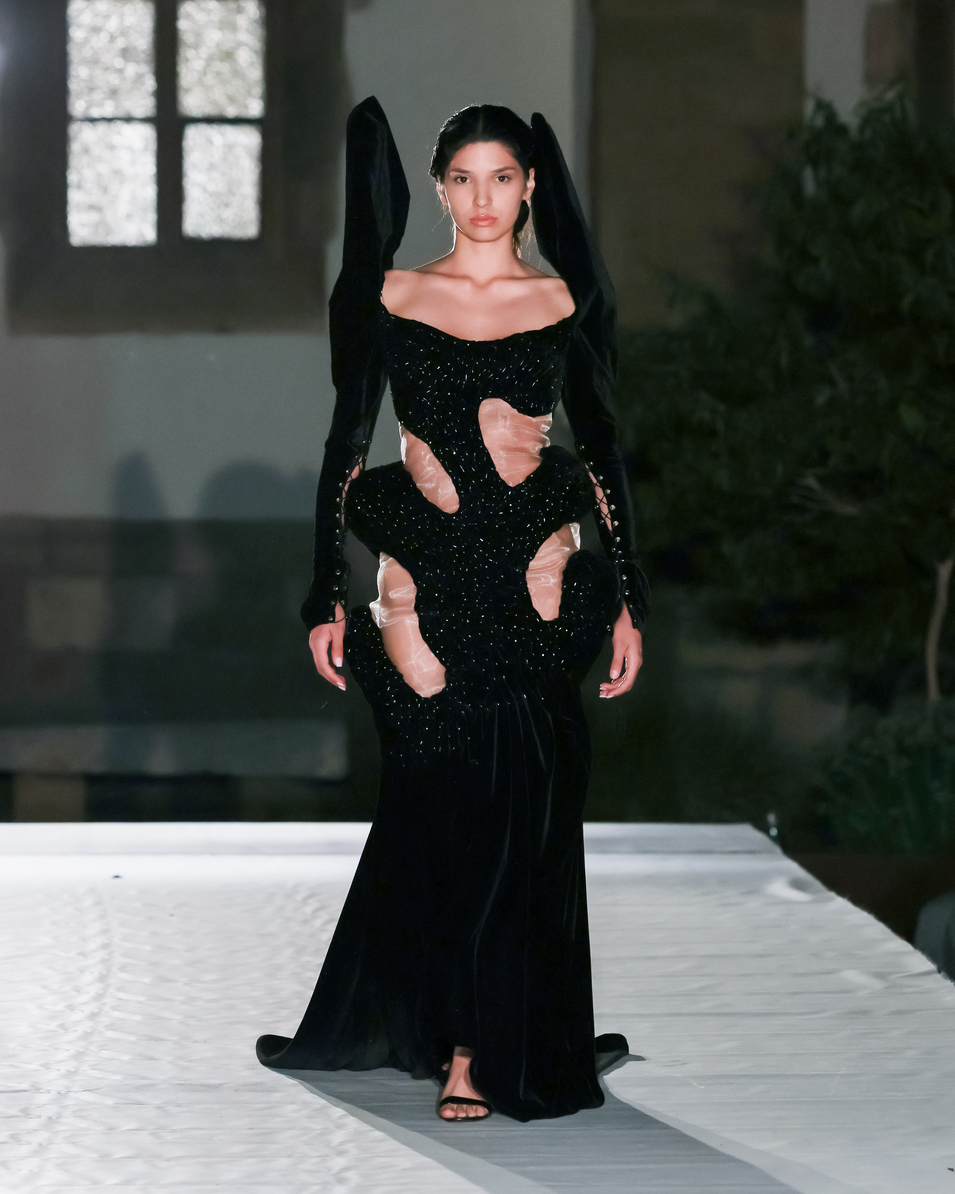
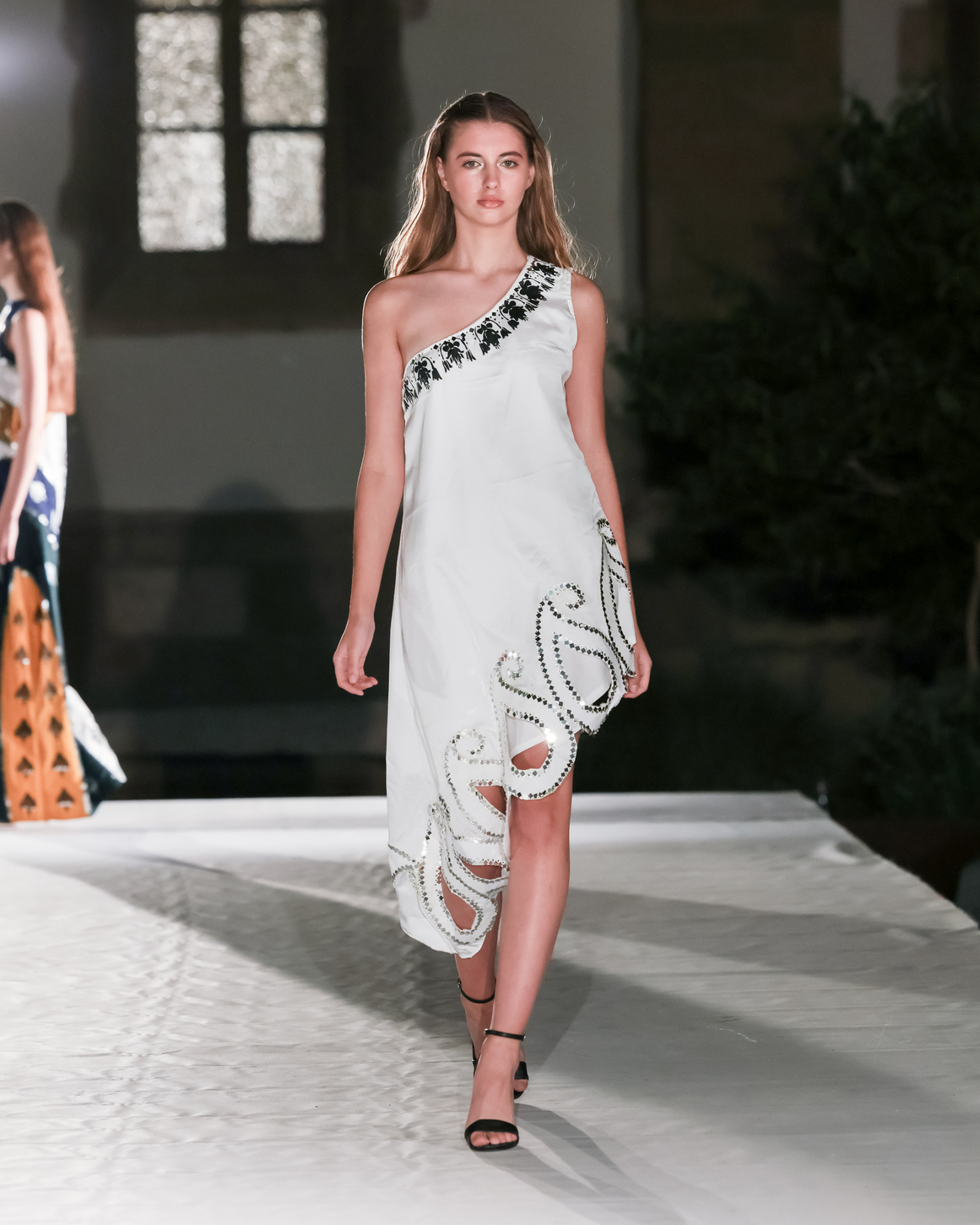
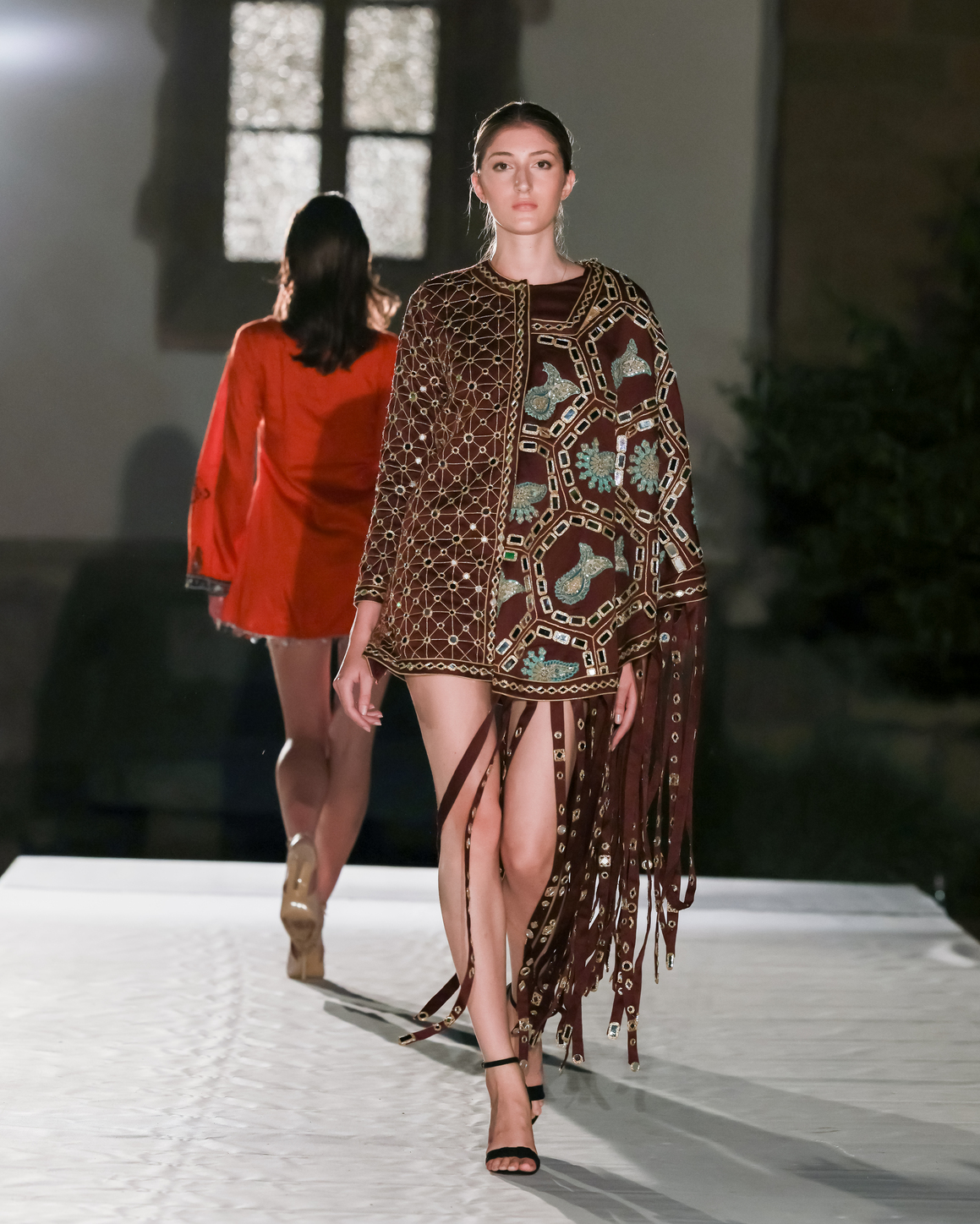
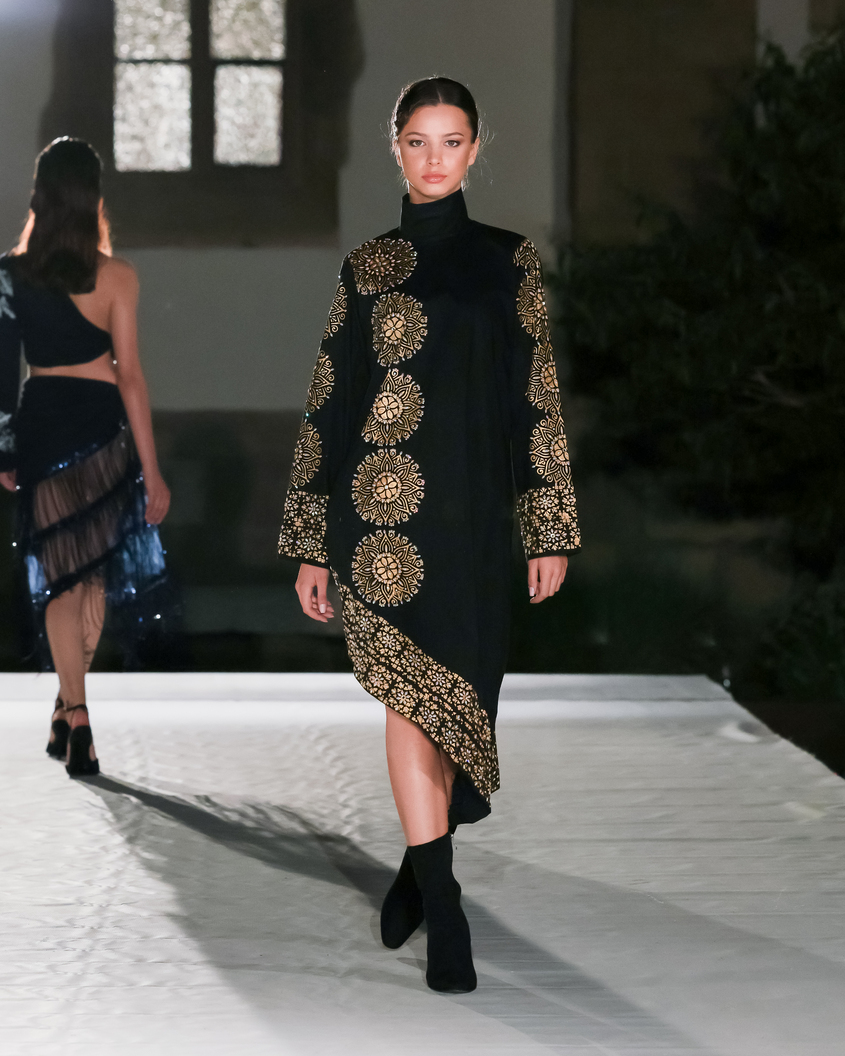
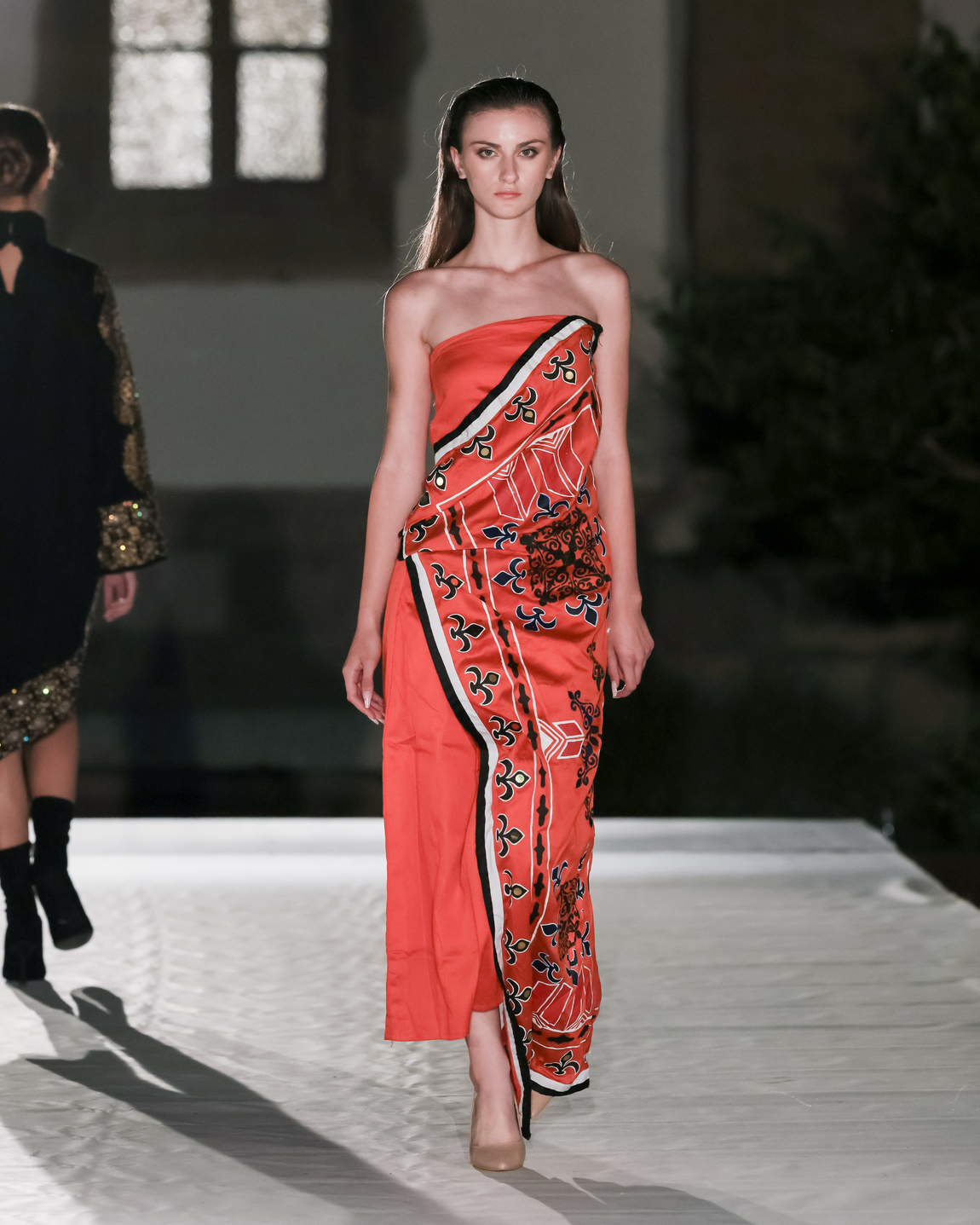
The highlight of the edition was the Feeric Gala, held in Huet Square, where some of the most representative collections presented throughout the week were brought together. The runway featured creations signed by Daiana Stancioiu, Mild Power, MB11, MMAX by Muslima Makhkamova, Raffiné by Rita Sarkis, Yulu Xia, alongside collections from the participating universities, in a show that synthesized the current directions of international fashion. Chinese designer Yulu Xia impressed with a visual narrative inspired by the cultural heritage of Yunnan Province, exploring the relationship between tradition and innovation through the use of biomaterials and sustainable solutions as a language of contemporary fashion. At the same time, the MMAX collection, designed by Uzbek creator Muslima Makhkamova, was among the defining moments of the gala, reinforcing the international dimension of Feeric Fashion Week and bringing together on the same stage designers from different cultures and creative schools, united by the same vision of fashion’s future. Another important moment of the Feeric Gala was the awarding of the scholarship offered by Istituto Europeo di Design (IED), one of the world’s most prestigious design schools. This year’s winner is Dori Haskovcova, a student at VOSON SPŠO in the Czech Republic, who, in her first participation in Feeric Fashion Week, impressed the jury with the creativity and quality of the collection presented. The scholarship offered by IED includes participation in a mentorship program alongside internationally renowned fashion industry specialists, giving the young designer the opportunity to develop her professional path within one of the most respected academic environments dedicated to fashion design.
This year’s edition once again confirms that Feeric Fashion Week is not just a fashion festival, but an international platform dedicated to education, sustainability, intercultural dialogue and the promotion of the new generation of designers. Through the projects developed around Feeric Hub, collaborations with universities and international partners, and the courage to transform urban spaces into stages for creativity, Feeric continues to strengthen Sibiu’s position on the map of Europe’s major cultural and fashion events.
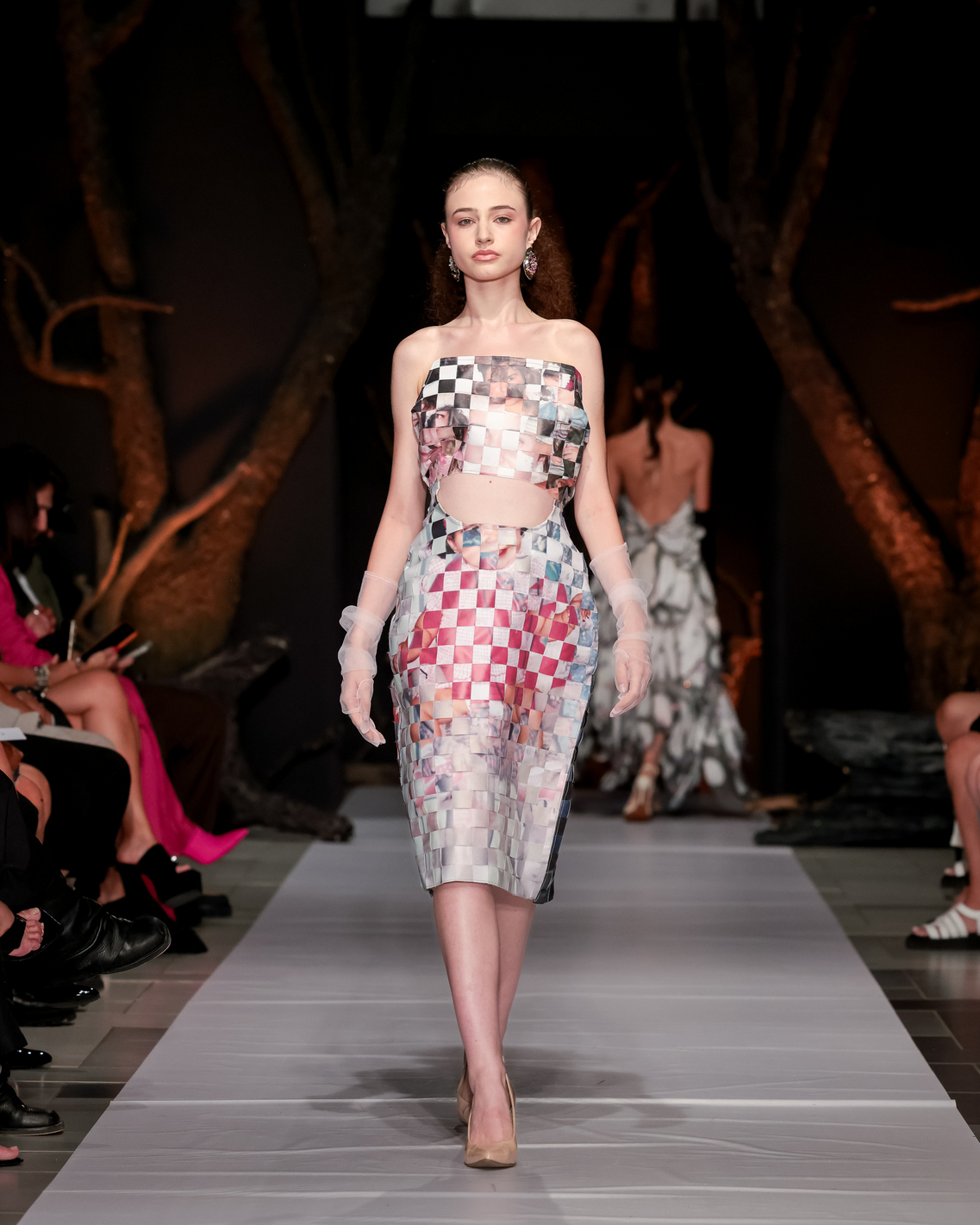
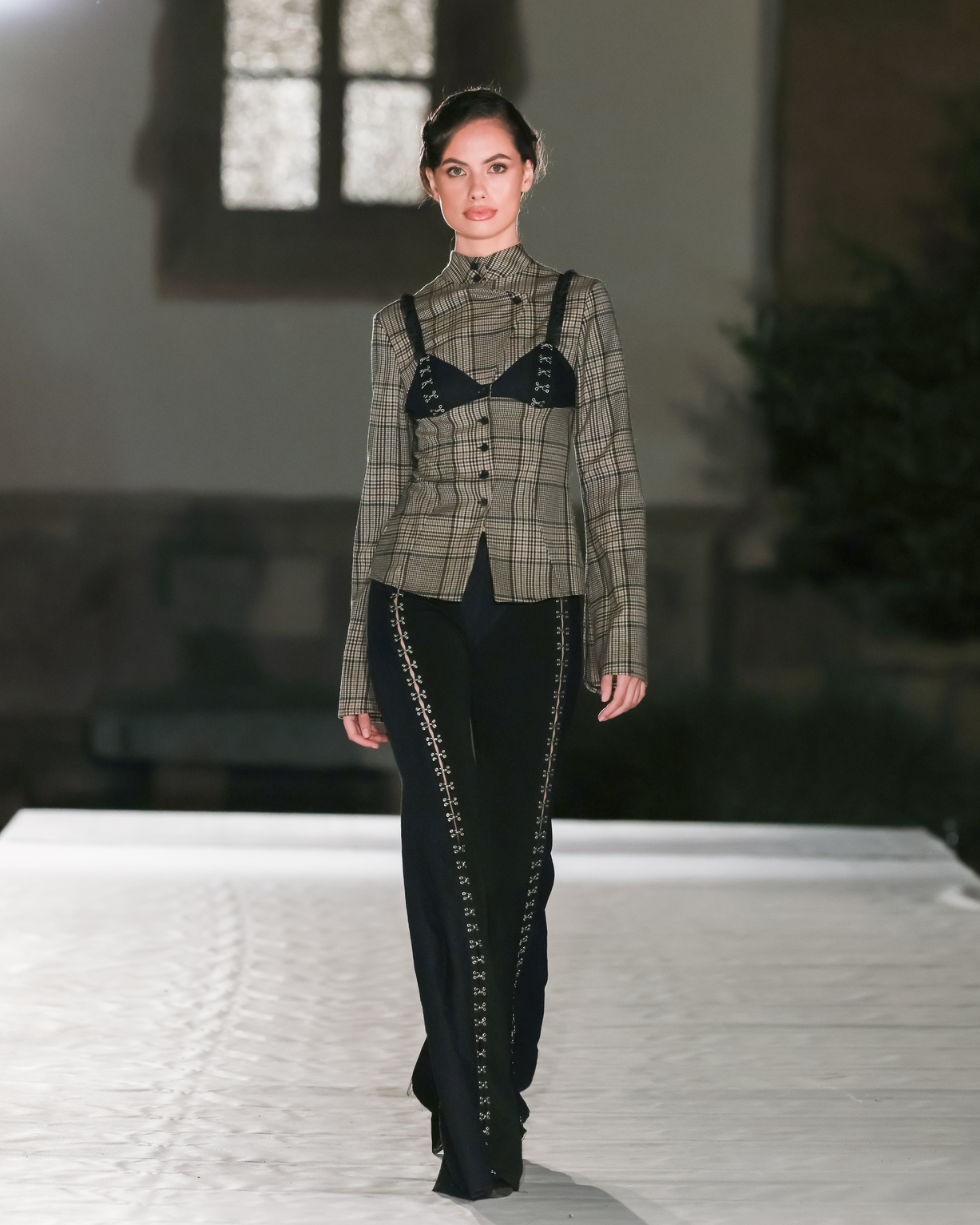
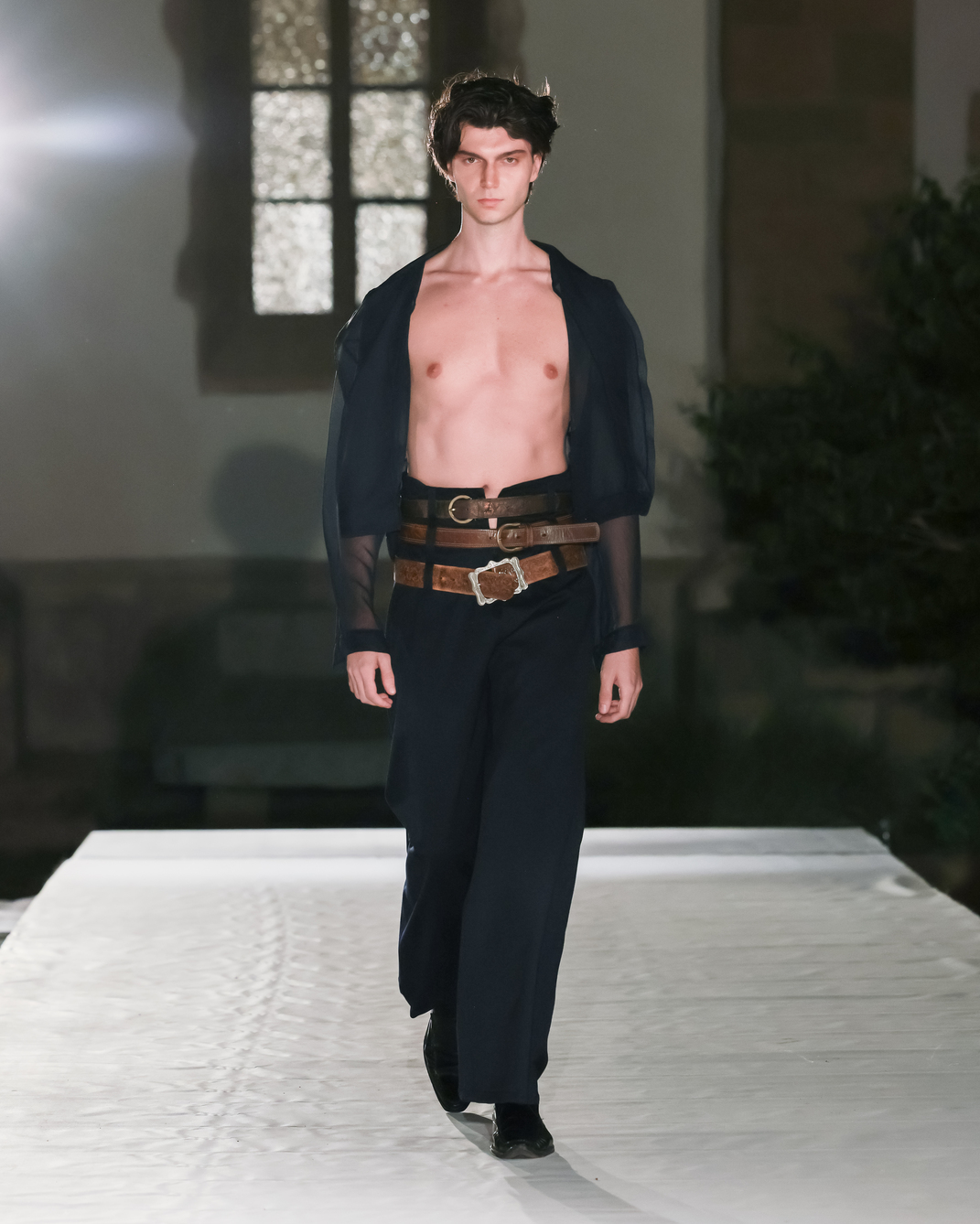
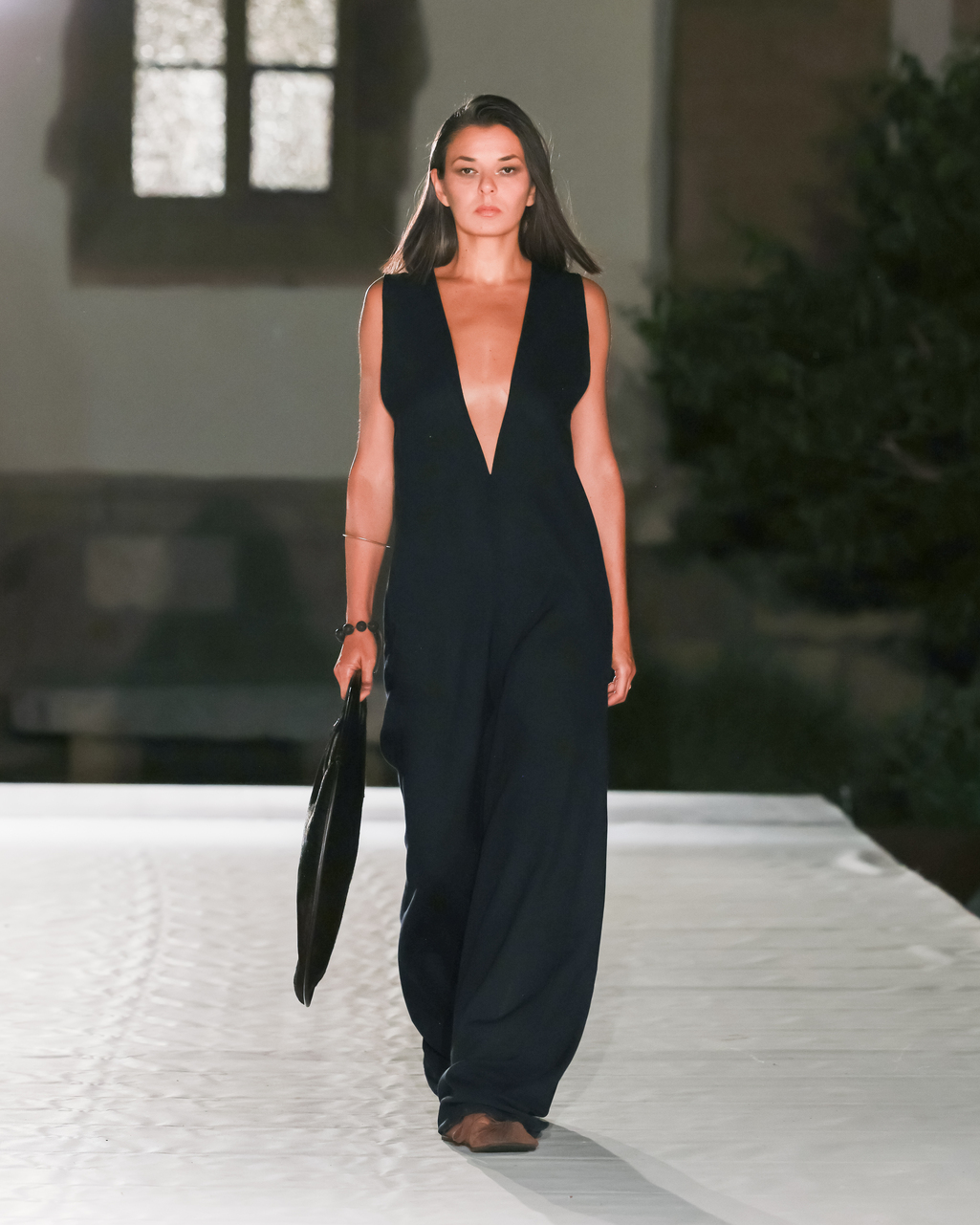
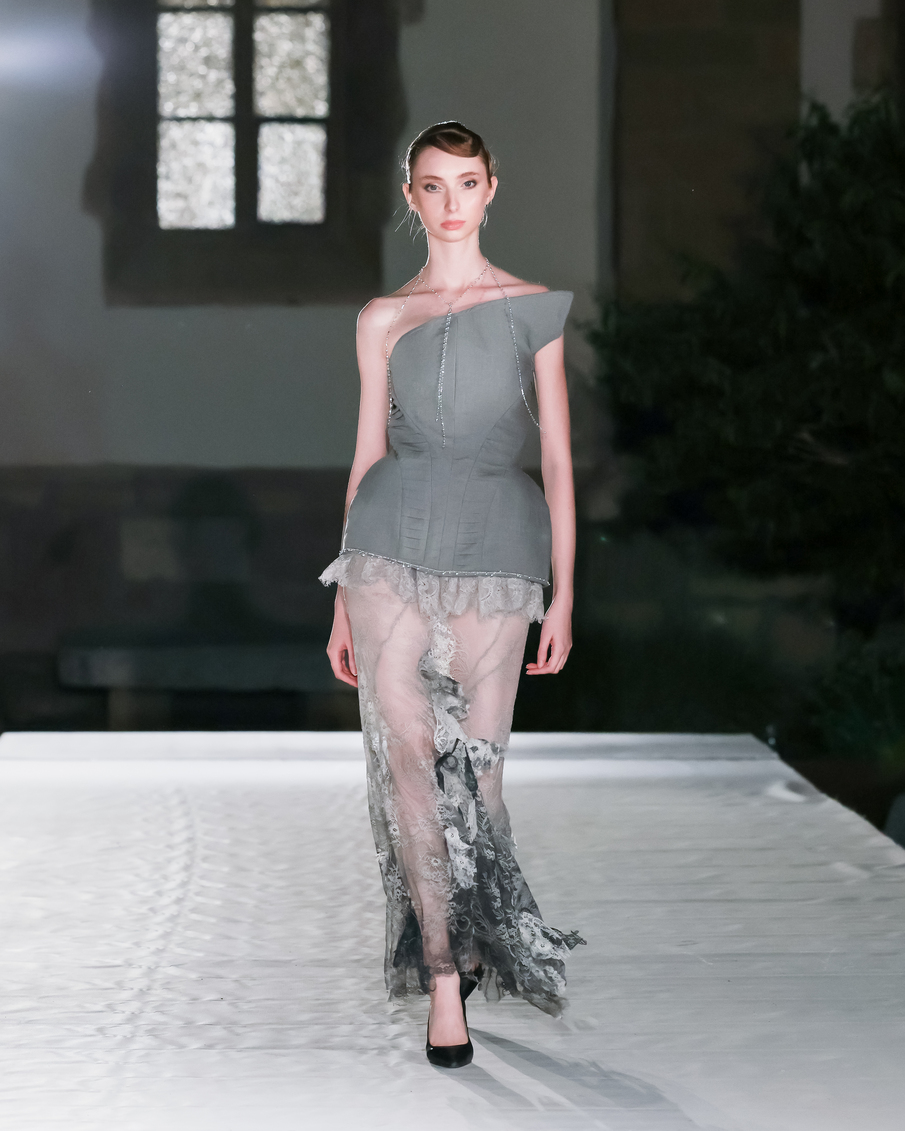
Feeric Fashion Week 2026 is an event co-financed by the Sibiu City Hall and supported by NEPI Rockcastle, Promenada Sibiu, Cinegold, Boromir, MG Mecatronics, Humana People to People, Buonavista and Prima Driving School.